


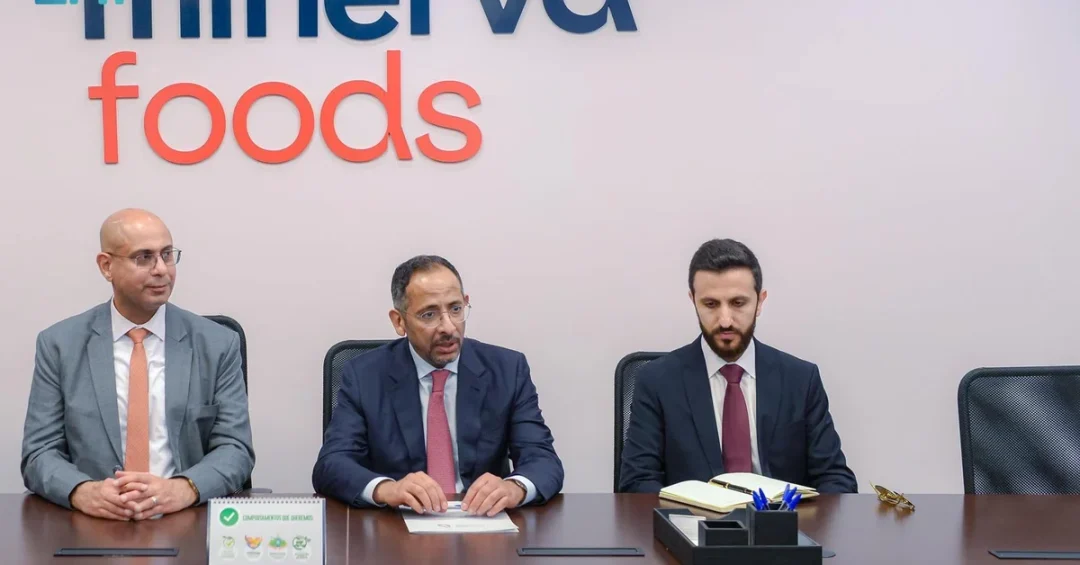
Saudi Minister of Industry and Mineral Resources Bandar bin Ibrahim Al-Khorayef met with executives from leading Brazilian food companies in São Paulo on July 23, 2024, to discuss localizing food production in the Kingdom and advancing food security. The meetings, held during the minister’s official visit to Brazil, focused on knowledge transfer, modern manufacturing technologies, and investment opportunities in Saudi Arabia’s growing food industry sector.
Context and Background
Saudi Arabia has prioritized food security as a cornerstone of its national strategy, aiming to reduce reliance on imports by localizing production and attracting foreign investment. The Kingdom’s Vision 2030 reform agenda includes goals to diversify the economy and enhance self-sufficiency in key sectors, including food processing and agriculture. Brazil, a global agricultural powerhouse, has emerged as a key partner in this effort, with Saudi entities like the Saudi Agricultural and Livestock Investment Company (SALIC) already holding significant stakes in Brazilian firms.
The minister’s visit underscores Saudi Arabia’s commitment to forging international partnerships that bring advanced technology and expertise to the Kingdom, while also securing supply chains for essential food products.
Key Details
During his visit to Minerva Foods, one of the world’s largest red meat producers, Minister Al-Khorayef toured advanced manufacturing facilities and discussed investment opportunities. Minerva plays a vital role in Saudi Arabia’s food market, with red meat imports accounting for 25% of the Kingdom’s supply. SALIC is a major investor in Minerva, holding a 33.8% stake. SALIC initially acquired 19.5% in 2016 for $210 million and increased its ownership through subsequent investments in 2018 and 2020, totaling $204 million.
The minister also met with Gilberto Tomazoni, CEO of JBS, a Brazilian multinational and one of the largest meat and poultry producers globally. JBS is establishing a food factory in Jeddah under the brand Seara, with an investment of up to SAR 500 million. The facility is scheduled to open by the end of this year and will help meet local demand.
Implications and Impact
These discussions signal deepening economic ties between Saudi Arabia and Brazil, with a focus on technology transfer and local production. By localizing food manufacturing, the Kingdom aims to enhance food security, create jobs, and reduce import dependency. The partnerships also align with Saudi Arabia’s efforts to attract foreign direct investment and diversify its industrial base.
For Brazil, increased collaboration opens new markets and investment avenues, strengthening South-South cooperation. The establishment of JBS’s Seara factory in Jeddah exemplifies how international companies can contribute to Saudi Arabia’s food ecosystem while benefiting from the Kingdom’s strategic location and business-friendly reforms.
Vision 2030 Alignment
This initiative directly supports Vision 2030‘s objectives of economic diversification, food security, and industrial development. By partnering with global leaders like Minerva and JBS, Saudi Arabia is advancing its goal to become a hub for food production and innovation, ensuring a sustainable and secure food future for the Kingdom and the region.
20 Questions
Q1. Who is the Saudi Minister of Industry and Mineral Resources?
A1. Bandar bin Ibrahim Al-Khorayef is the Saudi Minister of Industry and Mineral Resources. He led the discussions with Brazilian companies during an official visit to Brazil in July 2024.
Q2. What was the purpose of Minister Al-Khorayef’s visit to Brazil?
A2. The visit aimed to discuss localizing food industry production in Saudi Arabia, transfer knowledge and innovation, and explore modern manufacturing technologies to enhance food security.
Q3. Which Brazilian company did the minister visit in São Paulo?
A3. Minister Al-Khorayef visited Minerva Foods, one of the world’s largest red meat factories, to learn about advanced food manufacturing technologies and discuss investment opportunities.
Q4. What is SALIC’s stake in Minerva Foods?
A4. SALIC holds a 33.8% stake in Minerva Foods. It acquired an initial 19.5% in 2016 for $210 million and increased its ownership in 2018 and 2020 with additional investments totaling $204 million.
Q5. How much of Saudi Arabia’s red meat is imported from Minerva?
A5. Minerva Foods accounts for 25% of Saudi Arabia’s red meat imports, making it a significant player in the Kingdom’s food market.
Q6. Who is the CEO of JBS?
A6. Gilberto Tomazoni is the CEO of JBS, a Brazilian multinational company and one of the largest meat and poultry producers globally.
Q7. What is JBS planning to build in Saudi Arabia?
A7. JBS is establishing a food factory in Jeddah under the brand name Seara, with an investment of up to SAR 500 million. The factory is planned to open by the end of this year.
Q8. What is the significance of localizing food production in Saudi Arabia?
A8. Localizing food production enhances food security, reduces import dependency, creates jobs, and supports economic diversification in line with Vision 2030.
Q9. How does this collaboration align with Vision 2030?
A9. It supports Vision 2030 goals of economic diversification, food security, and industrial development by attracting foreign investment and advanced technologies to the Kingdom.
Q10. What technologies did Minister Al-Khorayef learn about at Minerva?
A10. He learned about advanced food manufacturing technologies used in red meat production processes, which could be applied to localize production in Saudi Arabia.
Q11. What are the benefits for Brazil from these partnerships?
A11. Brazilian companies gain access to the Saudi market, investment opportunities, and strengthened economic ties, while contributing to Saudi Arabia’s food security goals.
Q12. When did SALIC first invest in Minerva Foods?
A12. SALIC first invested in Minerva Foods in 2016, acquiring a 19.5% stake for $210 million.
Q13. What is the total investment made by SALIC in Minerva?
A13. SALIC’s total investment in Minerva includes the initial $210 million in 2016 plus $204 million in subsequent investments in 2018 and 2020, totaling $414 million.
Q14. What brand name will JBS use for its Jeddah factory?
A14. JBS will use the brand name Seara for its food factory in Jeddah, which is expected to open by the end of this year.
Q15. How will the Seara factory contribute to Saudi Arabia’s food needs?
A15. The Seara factory will produce food products to help meet local demand, reducing reliance on imports and enhancing food security in the Kingdom.
Q16. What is the role of the Saudi Agricultural and Livestock Investment Company (SALIC)?
A16. SALIC is a Saudi government entity that invests in agricultural and livestock projects globally to ensure food security for the Kingdom. It holds a 33.8% stake in Minerva Foods.
Q17. What are the modern manufacturing technologies discussed during the meetings?
A17. Discussions covered advanced food manufacturing technologies, including meat cultivation and production technology in laboratories, as used by JBS and other Brazilian firms.
Q18. How does this visit strengthen Saudi-Brazil relations?
A18. The visit deepens economic ties, fosters knowledge exchange, and opens new avenues for investment and collaboration between Saudi Arabia and Brazil in the food industry.
Q19. What is the expected timeline for the JBS factory in Jeddah?
A19. The JBS factory, under the Seara brand, is planned to open by the end of this year, with an investment of up to SAR 500 million.
Q20. What other areas of cooperation were discussed?
A20. Discussions included knowledge transfer, innovation, modern manufacturing technologies, and investment opportunities in the food sector, all aimed at achieving food security and supporting Vision 2030.
Reader Feedback
We value your thoughts. Please share your feedback on this article.
Your feedback helps us improve our coverage.