


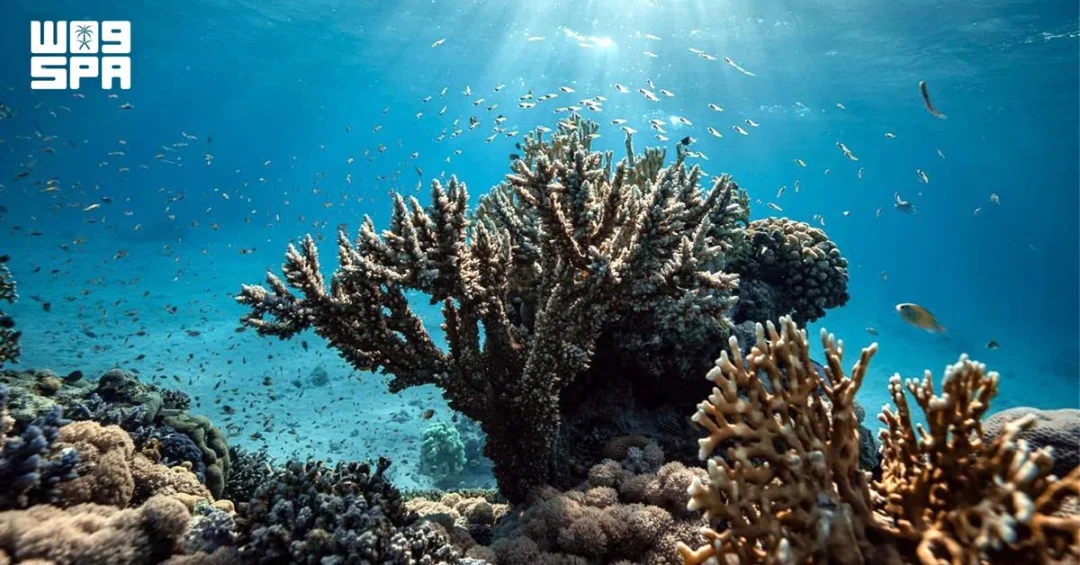
Researchers at King Abdullah University of Science and Technology (KAUST) have discovered that corals can be primed to resist disease before outbreaks occur, according to a study published in the scientific journal ISME Host Microbe. The research, conducted on Red Sea corals, demonstrates that corals exposed to non-lethal doses or inactivated forms of a pathogen develop a stronger ability to withstand the same pathogen upon subsequent exposure—a process the scientists term “pathogen priming,” which functions in principle much like how vaccines prepare the human body for future threats. The findings mark the first evidence that corals, despite lacking the adaptive immune system found in humans and other vertebrates, can mount a protective response resembling immune memory.
Context and Background
Coral diseases have become an escalating challenge for reef ecosystems worldwide, and the new study addresses a critical gap in understanding how these organisms defend themselves against infection. Professor Raquel Peixoto, a professor of marine science at KAUST and the lead author of the study, explained that coral diseases pose a growing threat to reefs globally, and the results indicate that corals previously exposed to a pathogen are better equipped to respond when facing it again—suggesting their natural defenses can be strengthened.
Reefs are under mounting pressure from rising ocean temperatures and a range of environmental stressors, while disease outbreaks can spread rapidly across reefs and coral nurseries, causing damage that undermines restoration and conservation efforts. The KAUST research was carried out on Red Sea corals as part of the university’s broader efforts to enhance the resilience of reef ecosystems.
Key Details
The study also found that the protective effect is not limited to changes within the coral itself, but extends to the microbiome—the community of microorganisms that live alongside corals and help maintain their health. This finding contributes to a better understanding of the relationship between corals and their associated microorganisms, offering a more complete picture of how disease resistance may be mediated.
The research team is now testing the approach on other coral species, different pathogens, and varying environmental conditions. A patent application has been filed for the use of pathogen-priming technology to increase coral resistance to disease. Should future studies confirm its effectiveness, the technology could be applied in coral nurseries, reef restoration programs, and high-priority reef areas—a preventive method capable of protecting corals before disease outbreaks occur and supporting scientific efforts to conserve and sustain marine ecosystems.
Implications and Impact
The discovery carries significant implications for global reef conservation at a time when coral ecosystems face unprecedented pressure from climate-driven ocean warming. Because disease can devastate both natural reefs and coral nurseries, a preventive tool that strengthens coral defenses before outbreaks could help safeguard restoration investments and improve survival rates in cultivation facilities.
The work also adds to the scientific understanding of coral immunity, showing that organisms without adaptive immune systems can still develop enhanced protection after prior exposure. For international marine science, the finding opens new avenues for research into disease management strategies that complement existing conservation measures, and it positions Red Sea research as a contributor to global efforts to protect marine biodiversity.
Vision 2030 Alignment
This research reflects the Kingdom of Saudi Arabia’s commitment to scientific innovation and environmental stewardship under Vision 2030, which prioritizes sustainability, knowledge-based economic development, and the protection of natural resources. KAUST’s work on coral resilience supports national efforts to conserve the Red Sea’s unique marine environment, a cornerstone of Saudi Arabia’s tourism and environmental strategy, including giga-projects such as NEOM and the Red Sea Project. By advancing solutions that strengthen reef ecosystems, Saudi researchers are contributing to global marine conservation while reinforcing the Kingdom’s growing role as a hub for world-class scientific research and sustainable development.
20 Questions
Q1. What did KAUST researchers discover about corals?
A1. KAUST researchers discovered that corals can be primed to resist disease before outbreaks occur. Corals exposed to non-lethal doses or inactivated forms of a pathogen showed stronger resistance when later exposed to the same pathogen, according to the study.
Q2. Where was the study published?
A2. The study was published in the scientific journal ISME Host Microbe, an international publication focused on microbial ecology. It presented the first evidence that corals can develop a protective response resembling immune memory.
Q3. What is pathogen priming?
A3. Pathogen priming is a process in which corals are exposed to non-lethal doses or inactivated forms of a disease-causing agent. This exposure strengthens their ability to resist the same pathogen upon subsequent encounters, functioning in principle similarly to vaccination.
Q4. Who is the lead author of the study?
A4. Professor Raquel Peixoto, a professor of marine science at King Abdullah University of Science and Technology (KAUST), is the lead author of the study. She explained that coral diseases are becoming an increasing challenge for reefs worldwide.
Q5. Why is this discovery significant for coral reefs?
A5. Coral reefs face growing pressure from rising ocean temperatures and environmental stressors, while diseases can spread rapidly across reefs and nurseries. The discovery offers a preventive approach that could strengthen coral defenses before outbreaks occur.
Q6. Do corals have an adaptive immune system?
A6. No, corals lack the adaptive immune system found in humans and other vertebrates. Despite this, the study found that corals can still develop a protective response resembling immune memory, offering new insight into their defense mechanisms.
Q7. What role does the microbiome play in coral health?
A7. The microbiome is the community of microorganisms living alongside corals that helps maintain their health. The study found that the protective effect of priming extends beyond the coral itself to include these associated microorganisms.
Q8. Where were the corals in the study collected?
A8. The study was conducted on corals from the Red Sea. It formed part of KAUST’s broader research efforts to enhance the resilience of reef ecosystems in the region and beyond.
Q9. What are the researchers testing next?
A9. The research team is testing the priming approach on other coral species, different pathogens, and varying environmental conditions. These trials aim to determine how broadly effective the technique may be.
Q10. Has a patent been filed for this technology?
A10. Yes, a patent application has been filed for the use of pathogen-priming technology to increase coral resistance to disease. This step reflects the potential practical applications of the discovery for reef conservation.
Q11. How could this technology be used in the future?
A11. If confirmed effective in future studies, the technology could be used in coral nurseries, reef restoration programs, and high-priority reef areas. It offers a preventive method to protect corals before disease outbreaks occur.
Q12. Why are coral diseases a growing concern?
A12. Coral diseases are an increasing challenge because they can spread quickly across reefs and coral nurseries, causing damage that affects restoration and conservation efforts. Rising ocean temperatures and environmental stressors amplify these risks.
Q13. How does pathogen priming compare to vaccination?
A13. Pathogen priming functions in principle like a vaccine: it exposes the organism to a weakened or inactivated threat so it can respond more effectively later. In corals, this leads to enhanced protection against the same pathogen.
Q14. What makes this study the first of its kind?
A14. The study provides the first evidence that corals can develop a type of protective response similar to immune memory, despite lacking an adaptive immune system. This expands scientific understanding of coral defense mechanisms.
Q15. How does this research support marine conservation?
A15. By showing that corals can be prepared to resist disease, the research supports efforts to protect and restore reefs. It offers a tool that could reduce losses in nurseries and natural reef environments.
Q16. What environmental pressures do coral reefs face?
A16. Coral reefs face increasing pressure from rising ocean temperatures and various environmental factors. These stressors make corals more vulnerable to disease, which can cause rapid and widespread damage.
Q17. What is KAUST’s role in this research?
A17. King Abdullah University of Science and Technology (KAUST) conducted the study as part of its research efforts to increase the resilience of coral reefs. The university is a leading center for marine science in Saudi Arabia.
Q18. How might this discovery benefit coral nurseries?
A18. Coral nurseries can suffer rapid disease spread that damages restoration stock. Pathogen priming could protect corals before outbreaks, improving survival rates and supporting large-scale reef restoration programs.
Q19. What does the study reveal about coral-microbe relationships?
A19. The study shows that the protective effects of priming involve not only the coral but also its microbiome. This deepens understanding of how corals and their associated microorganisms interact to maintain health.
Q20. How does this research align with Saudi Arabia’s Vision 2030?
A20. The research supports Vision 2030 goals of sustainability, innovation, and environmental protection. It reinforces Saudi Arabia’s commitment to conserving the Red Sea’s marine environment and advancing world-class scientific research.
Reader Feedback
We value your thoughts. Please share your feedback on this article.
Your feedback helps us improve our coverage.