


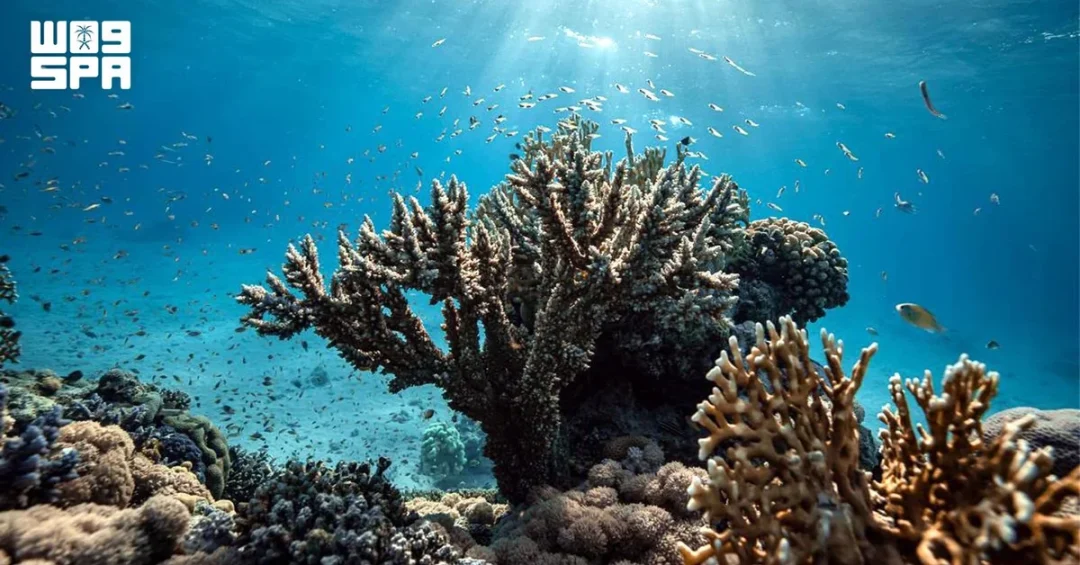
Scientists at King Abdullah University of Science and Technology (KAUST) have discovered that corals can be trained to better resist disease before an outbreak occurs, a finding that could one day help protect reefs around the world. The study, published in ISME Host Microbe, showed that corals exposed to sub-lethal doses or inactive forms of a disease-causing pathogen became more resistant when they encountered the disease again later. The process, known as pathogen priming, is similar in concept to how vaccines prepare the body to recognize future threats.
Context and Background
Coral reefs are among the most biodiverse ecosystems on the planet, supporting marine life and providing livelihoods for millions of people. However, they face growing pressure from warming oceans, pollution, and disease outbreaks. The new research from KAUST, a leading research university in Saudi Arabia, offers a potential breakthrough in coral conservation. The study is the first evidence that corals can develop a protective, immune memory-like response despite lacking the adaptive immune systems found in humans and other vertebrates.
Key Details
The research team, led by Professor Raquel Peixoto, Professor of Marine Science at KAUST and senior author of the study, conducted experiments using corals from the Red Sea. They found that corals exposed to a pathogen were significantly better able to respond when they encountered the same disease agent again. “Coral disease is becoming an increasingly important challenge for reefs worldwide,” said Peixoto. “What surprised us was finding that corals exposed to a pathogen were significantly better able to respond when they encountered the same disease agent again. It suggests corals can be trained to strengthen their natural defenses, something that was not previously demonstrated.” The study also revealed that the protective effect is linked not only to changes within the coral itself, but also to changes in its microbiome, the community of microorganisms that live alongside and support coral health.
Implications and Impact
The findings come at a time when coral reefs face growing pressure from warming oceans and other environmental stressors. Disease outbreaks can spread rapidly through reefs and coral nurseries, causing significant losses and undermining restoration efforts. The research could have implications far beyond the Red Sea region. The team has filed a patent application related to the use of pathogen priming to strengthen coral disease resistance and is now working to test the approach across additional coral species, pathogens, and environmental conditions. If successful, the technique could eventually provide coral nurseries and restoration programs with a new tool to help protect reefs before disease outbreaks occur.
Vision 2030 Alignment
This discovery aligns with Saudi Arabia’s Vision 2030 goals, which emphasize environmental sustainability and the protection of natural resources. KAUST’s research underscores the Kingdom’s commitment to advancing scientific innovation and addressing global challenges. By developing new methods to protect coral reefs, Saudi Arabia is contributing to international efforts to preserve marine ecosystems, while also enhancing its position as a leader in marine science and technology. As the world seeks solutions to climate change and biodiversity loss, Saudi Arabia’s investments in research and development are paving the way for a more sustainable future.
20 Questions
Q1. What did KAUST scientists discover about corals?
A1. They found that corals can be trained to better resist disease through a process called pathogen priming, similar to how vaccines work.
Q2. Where was the study published?
A2. The study was published in ISME Host Microbe, a scientific journal.
Q3. What is pathogen priming?
A3. Pathogen priming is a process where exposure to sub-lethal doses or inactive forms of a pathogen makes an organism more resistant to future encounters with the same disease.
Q4. Who led the research?
A4. Professor Raquel Peixoto, Professor of Marine Science at KAUST, was the senior author of the study.
Q5. What did the study reveal about the coral microbiome?
A5. The protective effect is linked to changes not only in the coral itself but also in its microbiome, the community of microorganisms that support coral health.
Q6. Why is this discovery important for coral reefs?
A6. Coral reefs face growing threats from warming oceans and disease outbreaks. This discovery could help protect reefs by strengthening their natural defenses before outbreaks occur.
Q7. What type of corals were used in the study?
A7. Corals from the Red Sea were used in the research.
Q8. What is the significance of the patent application filed by the team?
A8. The patent application is related to the use of pathogen priming to strengthen coral disease resistance, indicating potential commercial and conservation applications.
Q9. What are the next steps for the research team?
A9. They are working to test the approach across additional coral species, pathogens, and environmental conditions.
Q10. How could this technique help coral nurseries?
A10. If successful, it could provide coral nurseries and restoration programs with a new tool to protect reefs before disease outbreaks occur.
Q11. What does the term ‘immune memory-like response’ mean in corals?
A11. It means that corals, despite lacking adaptive immune systems, can develop a protective response that functions similarly to immune memory in vertebrates.
Q12. What are the main threats to coral reefs mentioned in the study?
A12. Warming oceans and other environmental stressors, as well as disease outbreaks, are the main threats.
Q13. How does pathogen priming compare to vaccination?
A13. Pathogen priming is similar in concept to vaccination: exposure to a weakened or inactive pathogen prepares the organism to fight off future infections.
Q14. What is the role of KAUST in this research?
A14. KAUST is a leading research university in Saudi Arabia that conducted the study, showcasing the Kingdom’s commitment to scientific innovation.
Q15. What potential global impact could this research have?
A15. It could lead to new methods to protect coral reefs worldwide, helping to preserve marine biodiversity and the livelihoods that depend on reefs.
Q16. What is the microbiome of a coral?
A16. The microbiome is the community of microorganisms that live in and on the coral, playing a vital role in its health and resilience.
Q17. How does this discovery align with Saudi Vision 2030?
A17. It aligns with Vision 2030’s focus on environmental sustainability and scientific advancement, positioning Saudi Arabia as a leader in marine conservation.
Q18. What is the significance of using Red Sea corals?
A18. Red Sea corals are known for their resilience to harsh conditions, making them valuable for studying disease resistance and potential applications in other regions.
Q19. Could this technique be applied to other marine organisms?
A19. While the current study focuses on corals, the concept of pathogen priming could potentially be explored for other marine species in future research.
Q20. What is the expected timeline for implementing this technique in restoration programs?
A20. The timeline depends on further testing across species and conditions, but successful outcomes could lead to application in coral nurseries and restoration efforts in the coming years.
Reader Feedback
We value your thoughts. Please share your feedback on this article.
Your feedback helps us improve our coverage.