


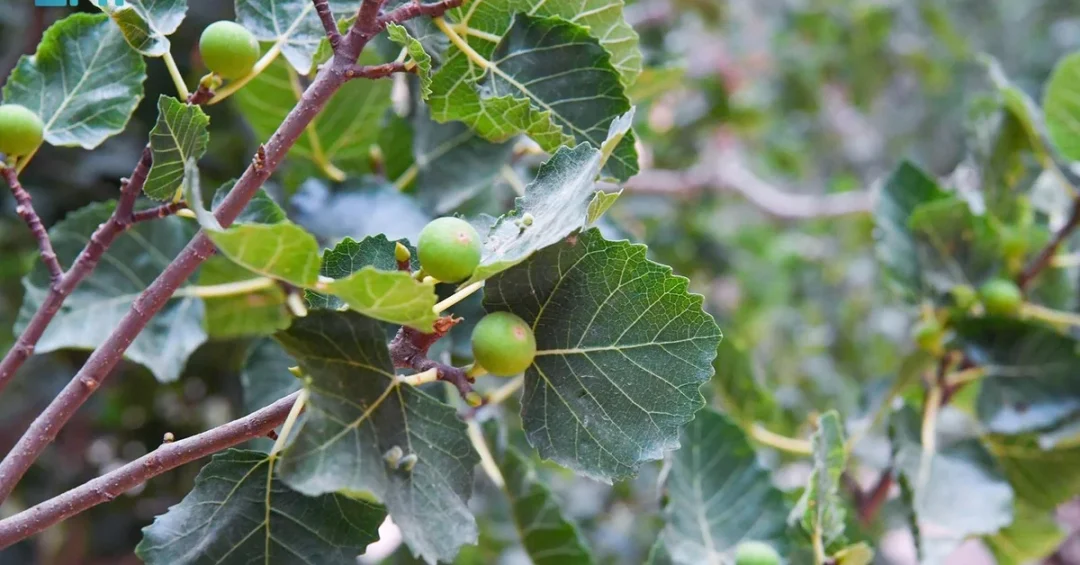
Al-Jouf Region has solidified its position as a key contributor to Saudi Arabia’s agricultural sector, ranking fifth nationally in fig production with an annual output of 874 tons, according to the Saudi Press Agency (SPA). This achievement is part of the Kingdom’s broader fig yield of 28,000 tons, underscoring the nation’s self-sufficiency in this nutritious fruit. The Ministry of Environment, Water, and Agriculture (MEWA) reports that figs are cultivated on 1,421 hectares across 11 regions, reflecting the Kingdom’s diverse agricultural landscape and its commitment to sustainable food production.
Context and Background
Saudi Arabia’s agricultural sector has undergone significant transformation in recent years, driven by Vision 2030’s goals to diversify the economy and enhance food security. The fig industry, though relatively niche, exemplifies this progress. Al-Jouf, located in the northern part of the Kingdom, has emerged as a hub for fig cultivation due to its favorable climate and soil conditions. Local farmers like Bassam Al-Haboub, an agriculture graduate, are at the forefront of this growth. Two years ago, Al-Haboub planted 1,200 fig trees, focusing on high-quality soil and water management to cultivate a variety known for its abundant yield, firmness, and transportability. His success story mirrors the broader trend of educated youth returning to agriculture, leveraging modern techniques to boost productivity.
Key Details
The Ministry of Environment, Water, and Agriculture has played a pivotal role in supporting fig farmers. According to MEWA, Saudi Arabia is entirely self-sufficient in fig production, a testament to the effectiveness of government initiatives. The ministry organizes festivals that provide platforms for farmers to showcase their products and access support services. Al-Haboub praised these efforts, noting that such events have been instrumental in marketing his produce locally. The 874 tons produced in Al-Jouf contribute significantly to the national output of 28,000 tons, with figs grown across 1,421 hectares in 11 regions. This distributed cultivation reduces reliance on imports and strengthens local economies.
Implications and Impact
The rise of Al-Jouf as a fig producer has multiple implications. Economically, it creates jobs and supports rural development, aligning with Vision 2030’s aim to enhance non-oil sectors. Environmentally, fig trees contribute to soil conservation and biodiversity. Socially, it empowers local communities and promotes healthy diets. Regionally, Saudi Arabia’s self-sufficiency in figs reduces import dependency, enhancing food security. Internationally, it showcases the Kingdom’s agricultural potential and could open export opportunities, particularly to neighboring Gulf countries. The success of farmers like Al-Haboub serves as a model for other regions, demonstrating how targeted support and modern techniques can yield tangible results.
Vision 2030 Alignment
This development aligns closely with Vision 2030, which seeks to diversify the economy, ensure food security, and improve quality of life. By boosting domestic fig production, Saudi Arabia reduces its reliance on imports and creates sustainable livelihoods. The Ministry’s support for farmers through festivals and resources reflects the Vision’s emphasis on empowering citizens and fostering innovation. As Al-Jouf continues to grow as a fig producer, it contributes to the Kingdom’s broader goals of economic resilience and global leadership in sustainable agriculture. This success story is a testament to Saudi Arabia’s commitment to a prosperous and self-sufficient future.
20 Questions
Q1. What is Al-Jouf’s rank in fig production in Saudi Arabia?
A1. Al-Jouf ranks fifth in the Kingdom in fig production, with an annual output of 874 tons, according to the Saudi Press Agency.
Q2. How many tons of figs does Saudi Arabia produce annually?
A2. Saudi Arabia produces 28,000 tons of figs annually, as reported by the Ministry of Environment, Water, and Agriculture.
Q3. How many hectares are dedicated to fig cultivation in Saudi Arabia?
A3. Figs are cultivated on 1,421 hectares across 11 regions of the Kingdom, according to the Ministry of Environment, Water, and Agriculture.
Q4. Who is Bassam Al-Haboub?
A4. Bassam Al-Haboub is a local farmer and agriculture graduate in Al-Jouf who planted 1,200 fig trees two years ago, focusing on high-quality soil and water.
Q5. What fig variety does Bassam Al-Haboub cultivate?
A5. Al-Haboub cultivates a fig variety known for its abundant yield, firmness, and transportability, which he selected for its market advantages.
Q6. How does the Ministry of Environment support fig farmers?
A6. The Ministry organizes festivals that provide platforms for farmers to display products and access support services, as praised by Al-Haboub.
Q7. Is Saudi Arabia self-sufficient in fig production?
A7. Yes, according to the Ministry of Environment, Water, and Agriculture, Saudi Arabia is entirely self-sufficient in fig production.
Q8. What is the significance of Al-Jouf’s fig production?
A8. It contributes to national output, supports rural development, and aligns with Vision 2030 goals of economic diversification and food security.
Q9. How many fig trees did Al-Haboub plant?
A9. Al-Haboub planted 1,200 fig trees two years ago in Al-Jouf, focusing on quality soil and water management.
Q10. What makes the fig variety cultivated by Al-Haboub suitable for market?
A10. The variety is known for its abundant yield, firmness, and transportability, making it ideal for local marketing and distribution.
Q11. How does fig cultivation benefit the environment?
A11. Fig trees contribute to soil conservation, biodiversity, and sustainable land use, supporting environmental health in agricultural regions.
Q12. What role do festivals play in supporting farmers?
A12. Festivals provide platforms for farmers to showcase products, access support services, and connect with markets, enhancing their economic opportunities.
Q13. How does fig production align with Vision 2030?
A13. It supports economic diversification, food security, and rural development, key pillars of Vision 2030 aimed at reducing oil dependence.
Q14. What is the total area of fig cultivation in Saudi Arabia?
A14. Figs are cultivated on 1,421 hectares across 11 regions, demonstrating the widespread and strategic nature of this agricultural activity.
Q15. Which region ranks first in fig production in Saudi Arabia?
A15. The source does not specify which region ranks first, but Al-Jouf ranks fifth with 874 tons annually.
Q16. How does fig production contribute to food security?
A16. By achieving self-sufficiency, Saudi Arabia reduces reliance on imports, ensuring a stable domestic supply of figs and enhancing national food security.
Q17. What support services does the Ministry provide to fig farmers?
A17. The Ministry offers platforms like festivals for product display and access to support services, helping farmers market their produce effectively.
Q18. What is the economic impact of fig production in Al-Jouf?
A18. It creates jobs, supports rural economies, and contributes to the national GDP, aligning with Vision 2030’s economic diversification goals.
Q19. How can other farmers replicate Al-Haboub’s success?
A19. By focusing on high-quality soil and water, selecting suitable varieties, and leveraging Ministry support, farmers can achieve similar success in fig cultivation.
Q20. What future prospects exist for Saudi fig exports?
A20. With self-sufficiency achieved, Saudi Arabia could explore export opportunities, particularly to neighboring Gulf countries, boosting agricultural trade.
Reader Feedback
We value your thoughts. Please share your feedback on this article.
Your feedback helps us improve our coverage.