


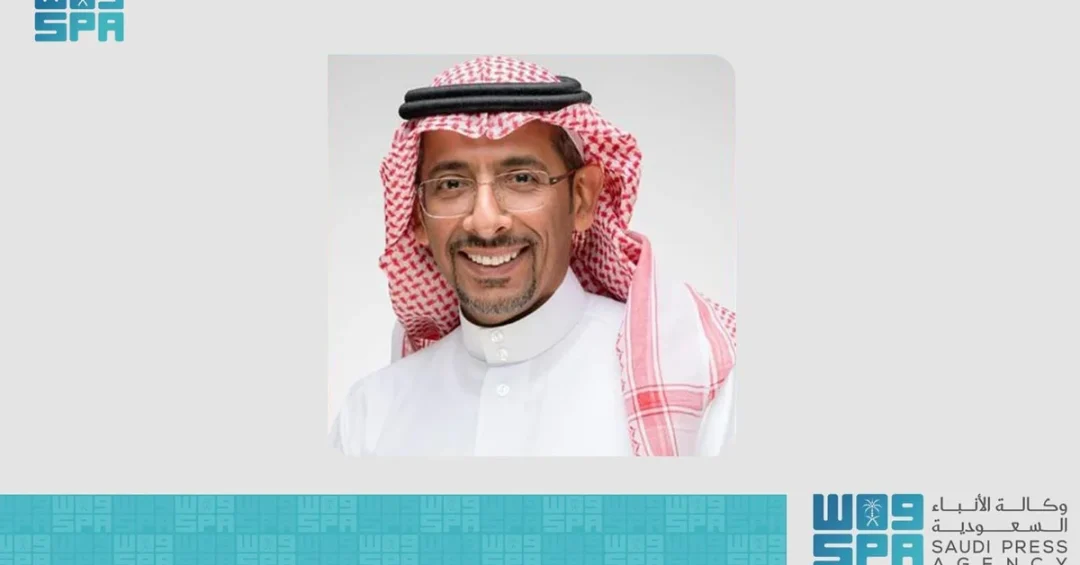
Saudi Minister of Industry and Mineral Resources Bandar Alkhorayef has praised the fruitful cooperation between Saudi Arabia and Bahrain, announcing that Saudi establishments can now register their products in Bahrain’s In-Country Value Program, Takamul, according to an official statement released by the Saudi Press Agency. The initiative, which aims to enhance local content value and preference in government procurement, marks a significant step forward in economic integration between the two kingdoms and reflects the deep-rooted brotherly ties that bind them.
Context and Background
The announcement follows the third meeting of the Saudi-Bahraini Coordination Council, which was chaired by His Royal Highness Prince Mohammed bin Salman bin Abdulaziz Al Saud, Crown Prince and Prime Minister of Saudi Arabia, and His Royal Highness Prince Salman bin Hamad Al Khalifa, Crown Prince and Prime Minister of the Kingdom of Bahrain. The council serves as a vital platform for advancing bilateral cooperation across a wide range of sectors, in line with the strong and historic relations between the two countries and their peoples.
The In-Country Value Program, Takamul, is a Bahraini initiative designed to boost local content in government procurement by giving preference to products and services that contribute to the national economy. By opening registration for Saudi establishments, Bahrain is extending the benefits of the program to Saudi manufacturers, thereby fostering deeper economic ties and supporting the growth of national industries in both kingdoms.
Key Details
Minister Alkhorayef expressed his gratitude and appreciation to the Ministry of Industry and Commerce in the Kingdom of Bahrain for its productive collaboration in facilitating the registration process. He stressed that goods manufactured in Bahrain that meet the requirements of the national origin rules issued by Ministerial Decision No. 3852 will be treated as Saudi national goods. This means they will be eligible to benefit from local content preference mechanisms according to the relevant regulations and requirements.
The minister noted that this approach aligns with the outcomes of the Saudi-Bahraini Coordination Council meeting and contributes to stimulating and empowering Saudi national industries. It is expected to enhance trade exchange, provide more investment opportunities, attract foreign investments, and increase the added value of national products. Alkhorayef also praised the efforts of Bahrain’s Ministry of Industry and Commerce to strengthen cooperation with Saudi Arabia across various fields, reaffirming the Kingdom’s commitment to enhancing collaboration with Bahrain to achieve development and prosperity for both countries and their people.
Implications and Impact
This development carries significant implications for regional economic integration. By allowing Saudi establishments to register their products in Bahrain’s Takamul program, the two countries are paving the way for increased bilateral trade and investment flows. It also signals a shared commitment to supporting national industries and reducing reliance on imports, thereby strengthening economic resilience.
For Saudi Arabia, the move complements its broader efforts to diversify the economy and promote non-oil sectors, a cornerstone of Vision 2030. It also reinforces the Kingdom’s role as a regional leader in fostering economic cooperation and creating an enabling environment for businesses to thrive. For Bahrain, the collaboration offers opportunities to attract Saudi investment and benefit from the Kingdom’s growing industrial capabilities.
On the international stage, this step underscores the importance of Gulf Cooperation Council (GCC) unity and the potential for deeper economic ties among member states. It sets a precedent for other countries in the region to explore similar arrangements, promoting intra-regional trade and collective prosperity.
Vision 2030 Alignment
The initiative is closely aligned with Saudi Arabia’s Vision 2030, which seeks to diversify the economy, boost local content, and enhance the competitiveness of Saudi industries. By expanding market access for Saudi products in Bahrain and facilitating mutual recognition of national goods, the Kingdom is advancing its goals of increasing non-oil exports and attracting foreign investment. This cooperation exemplifies the visionary leadership of Crown Prince Mohammed bin Salman and his commitment to regional integration as a driver of sustainable development.
As Saudi Arabia continues to strengthen its partnerships within the Gulf and beyond, such initiatives will play a crucial role in realizing the Kingdom’s long-term economic aspirations and cementing its position as a global investment powerhouse.
20 Questions
Q1. What is the main purpose of the Takamul program?
A1. The Takamul program aims to enhance local content value and preference in government procurement in Bahrain, thereby stimulating national industries and promoting economic growth.
Q2. Who is Bandar Alkhorayef?
A2. Bandar Alkhorayef is the Saudi Minister of Industry and Mineral Resources and Chairman of the Local Content and Government Procurement Authority.
Q3. What did Minister Alkhorayef express gratitude for?
A3. He expressed gratitude to Bahrain’s Ministry of Industry and Commerce for its productive collaboration in opening registration for Saudi establishments in the Takamul program.
Q4. Which meeting preceded this announcement?
A4. The third meeting of the Saudi-Bahraini Coordination Council, chaired by Crown Prince Mohammed bin Salman and Crown Prince Salman bin Hamad Al Khalifa.
Q5. What is Ministerial Decision No. 3852?
A5. It outlines the national origin rules that determine which goods qualify for local content preference in Saudi Arabia.
Q6. How will Bahraini goods be treated under this arrangement?
A6. Bahraini goods meeting the national origin rules will be treated as Saudi national goods, allowing them to benefit from local content preference mechanisms.
Q7. What are the expected benefits of this cooperation?
A7. It will enhance trade exchange, stimulate national industries, provide investment opportunities, attract foreign investment, and increase the added value of national products.
Q8. How does this align with Saudi Vision 2030?
A8. It supports economic diversification, boosts local content, and enhances the competitiveness of Saudi industries, all key goals of Vision 2030.
Q9. What role did the Saudi-Bahraini Coordination Council play?
A9. The council provides a platform for advancing bilateral cooperation and ensuring that initiatives like this align with the shared goals of both nations.
Q10. Will this cooperation attract foreign investment?
A10. Yes, by creating a more integrated market and offering incentives, it is expected to attract foreign investment to both countries.
Q11. What is the significance of this step for regional integration?
A11. It strengthens economic ties within the Gulf region and sets a precedent for similar cooperation among GCC states.
Q12. How does this benefit Saudi manufacturers?
A12. Saudi manufacturers gain access to Bahrain’s government procurement market, expanding their customer base and increasing sales opportunities.
Q13. What is the Local Content and Government Procurement Authority?
A13. It is a Saudi government body responsible for promoting local content in government procurement to support national industries.
Q14. What did Minister Alkhorayef say about Bahrain’s efforts?
A14. He praised Bahrain’s Ministry of Industry and Commerce for its efforts to boost cooperation with Saudi Arabia in various fields.
Q15. How does this initiative support Saudi non-oil exports?
A15. By facilitating market access for Saudi products in Bahrain, it helps increase non-oil exports, a key objective of Vision 2030.
Q16. What is the expected impact on bilateral trade?
A16. It is expected to significantly boost bilateral trade by reducing barriers and promoting the exchange of goods and services.
Q17. Are there any specific sectors that will benefit most?
A17. Manufacturing, industrial goods, and services are likely to benefit most, as they are the primary focus of the local content initiatives.
Q18. How does this reflect on Saudi-Bahraini relations?
A18. It underscores the strong and historic ties between the two kingdoms and their commitment to mutual prosperity and development.
Q19. What are the next steps for interested Saudi establishments?
A19. Saudi establishments can now register their products in Bahrain’s Takamul program through the designated process, meeting the required criteria.
Q20. How does this initiative contribute to the Gulf economy?
A20. It fosters economic integration, enhances competitiveness, and promotes sustainable development across the Gulf region, benefiting all member states.
Reader Feedback
We value your thoughts. Please share your feedback on this article.
Your feedback helps us improve our coverage.