


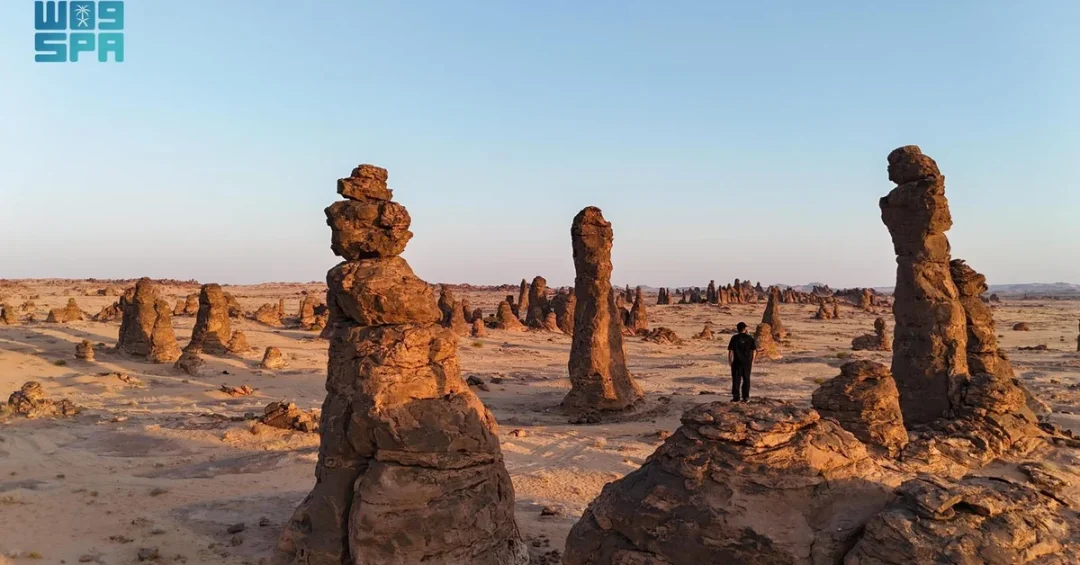
Visitors to the Al-Gharameel Nature Reserve in AlUla are offered a rare opportunity to sit beneath a sky illuminated by millions of stars and observe the Milky Way, according to the Saudi Press Agency (SPA). The experience provides a peaceful escape from the noise of city life, allowing guests to immerse themselves in the mild nighttime ambiance of one of Saudi Arabia’s most distinctive natural environments.
Context and Background
The Al-Gharameel Nature Reserve, located approximately 60 kilometers from AlUla, is characterized by its enchanting clear skies and rare rocky terrain. The site forms part of the broader AlUla region, which has emerged as a global destination for nature, heritage, and stargazing tourism under the Kingdom’s Vision 2030 strategy.
AlUla has long been recognized for its archaeological treasures, including Hegra, Saudi Arabia’s first UNESCO World Heritage Site. In recent years, the Royal Commission for AlUla (RCU) has expanded its mandate to include environmental conservation and sustainable tourism, positioning the region as a model for responsible development.
Key Details
The reserve is home to a variety of desert trees and animal species that were released by the National Center for Wildlife Development in collaboration with the RCU. Notable species include the Arabian oryx and the sand gazelle. These reintroduction efforts aim to re-establish local endangered species, restore biodiversity, and enhance environmental balance across the reserve.
For visitors, the stargazing experience at Al-Gharameel represents a unique blend of adventure and tranquility. The absence of urban light pollution allows for exceptional views of the Milky Way, making the reserve an ideal location for astronomy enthusiasts and nature lovers alike.
Implications and Impact
The development of Al-Gharameel as a nature and stargazing destination carries significant implications for Saudi Arabia’s tourism sector and conservation efforts. It supports the Kingdom’s goals of diversifying its economy beyond oil, attracting international visitors, and promoting environmental stewardship.
Regionally, the reserve complements other AlUla initiatives such as the Sharaan Nature Reserve and the AlUla Arts Festival, reinforcing the area’s reputation as a multifaceted destination. Internationally, it offers a compelling example of how desert ecosystems can be protected while being made accessible for sustainable tourism.
Vision 2030 Alignment
The Al-Gharameel Nature Reserve aligns directly with Vision 2030, Saudi Arabia’s national transformation plan. By enhancing biodiversity, creating unique tourism experiences, and fostering environmental awareness, the reserve contributes to the Vision’s goals of a vibrant society, a thriving economy, and an ambitious nation. It also underscores the Kingdom’s commitment to preserving its natural heritage for future generations while sharing its wonders with the world.
20 Questions
Q1. What is the Al-Gharameel Nature Reserve?
A1. The Al-Gharameel Nature Reserve is a protected area in AlUla, Saudi Arabia, known for its clear night skies, towering rock formations, and rare desert terrain. It offers visitors a unique stargazing experience and is managed in part by the Royal Commission for AlUla.
Q2. Where is the reserve located?
A2. The reserve is situated approximately 60 kilometers from AlUla in the AlUla governorate. Its remote location reduces light pollution, providing exceptional conditions for observing the Milky Way and millions of stars.
Q3. What can visitors do at Al-Gharameel?
A3. Visitors can enjoy stargazing, observe the Milky Way, and immerse themselves in the peaceful desert ambiance. The reserve also offers opportunities to learn about local wildlife and conservation efforts in a serene natural setting.
Q4. What makes the reserve’s night sky special?
A4. The reserve’s remote location and minimal artificial light allow for crystal-clear views of the night sky. This makes it an ideal spot for astronomy, offering a rare chance to see the Milky Way with the naked eye.
Q5. Which animals have been released in the reserve?
A5. The National Center for Wildlife Development, in collaboration with the Royal Commission for AlUla, has released species such as the Arabian oryx and the sand gazelle. These efforts aim to restore biodiversity and re-establish endangered local species.
Q6. Why is the Arabian oryx important?
A6. The Arabian oryx is a symbol of conservation success in Saudi Arabia. Once near extinction, it has been reintroduced in protected areas like Al-Gharameel as part of efforts to restore ecological balance and preserve the Kingdom’s natural heritage.
Q7. How does the reserve support biodiversity?
A7. By reintroducing native species and protecting desert vegetation, the reserve helps restore biodiversity. It creates a balanced ecosystem where flora and fauna can thrive, contributing to long-term environmental sustainability.
Q8. Who manages the reserve?
A8. The reserve is managed through a partnership between the National Center for Wildlife Development and the Royal Commission for AlUla. These entities work together on conservation, wildlife reintroduction, and sustainable tourism initiatives.
Q9. What is the Royal Commission for AlUla?
A9. The Royal Commission for AlUla is a Saudi government body responsible for developing and preserving the AlUla region. It oversees heritage, tourism, and environmental projects, aligning them with Vision 2030 goals.
Q10. How does the reserve contribute to tourism?
A10. The reserve offers a unique nature-based tourism experience, attracting visitors interested in stargazing and wildlife. It supports Saudi Arabia’s goal to diversify tourism offerings and attract international travelers to lesser-known natural sites.
Q11. Is the reserve suitable for families?
A11. Yes, the reserve offers a peaceful and educational environment suitable for families. Visitors of all ages can enjoy the stargazing experience and learn about conservation efforts in a safe, managed setting.
Q12. What is the best time to visit?
A12. The reserve is ideal for nighttime visits when the sky is clearest. The mild desert ambiance makes evenings particularly pleasant, especially during cooler months. Visitors should check with local guides for optimal timings.
Q13. How does stargazing promote conservation?
A13. Stargazing fosters appreciation for dark skies and natural environments. By engaging visitors with the night sky, the reserve encourages support for conservation and sustainable practices that protect these resources.
Q14. What other attractions are near AlUla?
A14. Nearby attractions include Hegra, Saudi Arabia’s first UNESCO World Heritage Site, and the Sharaan Nature Reserve. These sites offer insights into Nabataean history and natural beauty, complementing a visit to Al-Gharameel.
Q15. How does the reserve align with Vision 2030?
A15. The reserve supports Vision 2030 by promoting environmental sustainability, enhancing quality of life, and boosting tourism. It exemplifies the Kingdom’s commitment to diversifying the economy and preserving natural heritage.
Q16. Are there guided tours available?
A16. Yes, guided tours are typically available through the Royal Commission for AlUla and local operators. These tours provide context on wildlife, geology, and astronomy, enriching the visitor experience.
Q17. What should visitors bring?
A17. Visitors should bring warm clothing, comfortable shoes, and perhaps binoculars or a camera for stargazing. It is advisable to follow any guidelines provided by tour operators to ensure a safe and enjoyable visit.
Q18. How does the reserve protect endangered species?
A18. The reserve protects endangered species by providing a secure habitat and reintroducing animals like the Arabian oryx and sand gazelle. Ongoing monitoring and conservation programs help ensure their survival and population growth.
Q19. Can visitors see the Milky Way year-round?
A19. The Milky Way is visible at different times throughout the year, depending on season and sky conditions. The reserve’s clear skies increase the chances of observing it, but checking lunar phases and weather is recommended.
Q20. Why is Al-Gharameel important for Saudi Arabia?
A20. Al-Gharameel represents Saudi Arabia’s efforts to preserve its natural environment while offering unique tourism experiences. It showcases the Kingdom’s dedication to conservation and sustainable development, aligning with Vision 2030 objectives.
Reader Feedback
We value your thoughts. Please share your feedback on this article.
Your feedback helps us improve our coverage.
Related articles
 Taif Mountains: Towers in a Sea of Fog
 Carved Stadium: Jazan’s Mountaintop Masterpiece
 Saudi Tourism: $12B Spent on Accommodation in 2023
 Rain Brings Joy and Renewal to Taif’s Natural Beauty
 Rainy Weather in Jazan Draws Visitors to Beaches and Valleys
 AROYA Cruises Partners with Sawani to Serve Camel Milk