


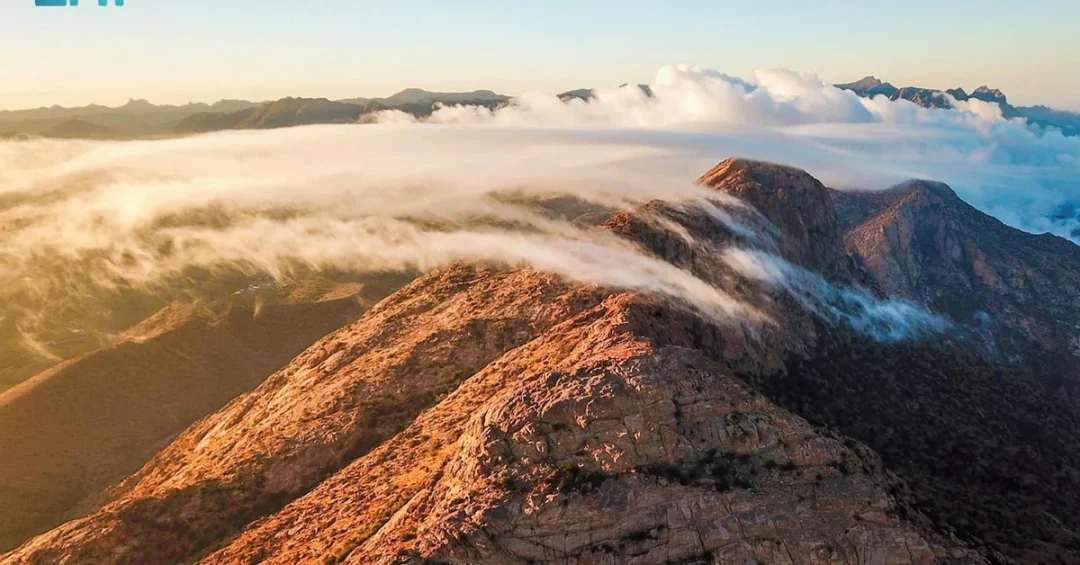
Saudi Arabia’s Taif mountains, rising up to 2,700 meters and often described as towers in a sea of fog, are drawing local and international tourists seeking cooler temperatures and breathtaking landscapes, according to the Saudi Press Agency (SPA). The mountains, bathed in sunlight from dawn to dusk, encircle the city like a protective wall and offer a tranquil escape celebrated in poetry and cherished by the region’s inhabitants.
Context and Background
The Taif mountains are located in the Makkah Province, approximately 70 kilometers southeast of Jeddah. Known for their moderate climate, they serve as a summer retreat for residents escaping the heat of the lowlands. The region’s geological formations, including deep valleys and rugged peaks, have shaped local culture and agriculture for centuries. The mountains are named after their distinctive shapes or historical events, reflecting the deep connection between the land and its people. With diverse ecosystems ranging from fragrant plant groves to dense forests and vibrant flower slopes, the area represents a unique natural heritage that aligns with Saudi Arabia’s efforts to promote domestic tourism under Vision 2030.
Key Details
According to Hassan Al-Asimi, a natural history expert, the Taif mountains include prominent peaks such as Mount Daka, Mount Saq, and Al-Rayyan. These mountains are not only visually stunning but also hold historical significance, with inscriptions from ancient civilizations adorning their rocky surfaces. Many of these inscriptions are found in agricultural areas like Wadi Ardah and Wadi Al-Hada. The abundance of inscriptions varies depending on the region’s historical importance and geographical location. The stunning geological landscapes, such as Wadi Al-Fara, Wadi Al-Sail Al-Muharraq, and Wadi Thi Ghazal, create a serene atmosphere often likened to ships sailing through a sea of fog. Rising up to 2,700 meters, the mountains offer breathtaking views and challenging terrain for climbers, attracting adventure seekers from across the Kingdom, the Arab world, and beyond.
Implications and Impact
The growing popularity of the Taif mountains as a tourist destination has significant implications for Saudi Arabia’s tourism sector and local economy. The influx of visitors supports local businesses, creates jobs, and promotes cultural exchange. It also aligns with the Kingdom’s broader strategy to diversify its economy away from oil dependence. The mountains’ unique blend of natural beauty, historical significance, and adventure opportunities positions them as a key asset in Saudi Arabia’s tourism portfolio, complementing other destinations like AlUla and the Red Sea Project. As international interest in Saudi Arabia grows, the Taif mountains are poised to become a must-visit location for travelers seeking authentic experiences.
Vision 2030 Alignment
The promotion and preservation of the Taif mountains are directly in line with Saudi Vision 2030, which aims to increase tourism’s contribution to the GDP and enhance the quality of life for citizens and residents. By showcasing natural wonders like the Taif mountains, the Kingdom demonstrates its commitment to sustainable development and cultural heritage. As part of the National Tourism Strategy, efforts are underway to improve infrastructure, protect the environment, and attract 100 million visitors annually by 2030. The Taif mountains stand as a testament to Saudi Arabia’s rich natural and historical legacy, inviting the world to explore the Kingdom’s hidden treasures.
20 Questions
Q1. Where are the Taif mountains located?
A1. The Taif mountains are located in the Makkah Province of Saudi Arabia, approximately 70 kilometers southeast of Jeddah. They encircle the city of Taif.
Q2. What is the maximum height of the Taif mountains?
A2. The Taif mountains rise up to 2,700 meters, offering breathtaking views and challenging terrain for climbers and adventure seekers.
Q3. Why are the Taif mountains described as ‘towers in a sea of fog’?
A3. The description refers to the mountains’ majestic peaks often shrouded in fog, creating a surreal landscape where they appear like towers emerging from a sea of clouds.
Q4. What are some notable valleys in the Taif mountains?
A4. Notable valleys include Wadi Al-Fara, Wadi Al-Sail Al-Muharraq, and Wadi Thi Ghazal. These valleys contribute to the area’s serene atmosphere and stunning geological landscapes.
Q5. Who is Hassan Al-Asimi?
A5. Hassan Al-Asimi is a natural history expert cited by the Saudi Press Agency. He provides insights into the historical and geological significance of the Taif mountains.
Q6. What historical artifacts can be found in the Taif mountains?
A6. Inscriptions from ancient civilizations adorn the rocky surfaces of the Taif mountains, particularly in agricultural areas like Wadi Ardah and Wadi Al-Hada.
Q7. What ecosystems exist in the Taif mountains?
A7. The Taif mountains boast diverse ecosystems, including fragrant plant groves, dense forests, and vibrant flower slopes, supporting a rich variety of flora and fauna.
Q8. How do the Taif mountains contribute to local culture?
A8. The mountains are celebrated in poetry and are a source of pride for the region’s inhabitants. They also host traditional agricultural practices and historical events.
Q9. What activities can tourists enjoy in the Taif mountains?
A9. Tourists can enjoy hiking, climbing, sightseeing, and exploring historical inscriptions. The moderate climate makes it ideal for outdoor activities year-round.
Q10. How does the Taif mountains region align with Vision 2030?
A10. The region aligns with Vision 2030 by promoting tourism, diversifying the economy, and enhancing quality of life. It is part of efforts to attract 100 million visitors annually by 2030.
Q11. What is the climate like in the Taif mountains?
A11. The climate is moderate, offering a cool escape from the heat of lower altitudes. This makes it a popular summer destination for locals and tourists.
Q12. Which peaks are specifically mentioned in the SPA report?
A12. The SPA report mentions Mount Daka, Mount Saq, and Al-Rayyan as notable peaks within the Taif mountains range.
Q13. What makes the Taif mountains attractive to climbers?
A13. The challenging terrain and breathtaking views at high altitudes attract climbers. The giant white rocks bathed in morning sunlight add to the allure.
Q14. Are there any ancient civilizations linked to the Taif mountains?
A14. Yes, inscriptions from ancient civilizations are found on the rocky surfaces, indicating historical human activity in the region over millennia.
Q15. How does the Saudi Press Agency describe the mountains?
A15. The SPA describes them as awe-inspiring formations that encircle the city like a protective wall, offering a tranquil escape and a captivating panorama.
Q16. What role do the Taif mountains play in Saudi tourism?
A16. They are a key tourist destination, attracting visitors from across the Kingdom and beyond. They complement other attractions like AlUla and the Red Sea Project.
Q17. What is the significance of Wadi Ardah and Wadi Al-Hada?
A17. These valleys are important agricultural areas where many historical inscriptions have been found, highlighting the region’s past importance.
Q18. How can visitors reach the Taif mountains?
A18. Visitors can reach the Taif mountains by road from major cities like Jeddah and Riyadh. The city of Taif serves as a gateway to the mountains.
Q19. What is the best time to visit the Taif mountains?
A19. The moderate climate makes the mountains a year-round destination, but summer is particularly popular when lowland temperatures soar.
Q20. How do the Taif mountains support Saudi Arabia’s economy?
A20. By attracting tourists, the mountains support local businesses, create jobs, and contribute to the diversification of the economy away from oil dependence.
Reader Feedback
We value your thoughts. Please share your feedback on this article.
Your feedback helps us improve our coverage.
Related articles
 Carved Stadium: Jazan’s Mountaintop Masterpiece
 Saudi Tourism: $12B Spent on Accommodation in 2023
 Rain Brings Joy and Renewal to Taif’s Natural Beauty
 Rainy Weather in Jazan Draws Visitors to Beaches and Valleys
 AROYA Cruises Partners with Sawani to Serve Camel Milk
 AlUla Skies Festival Returns for Third Edition This September