


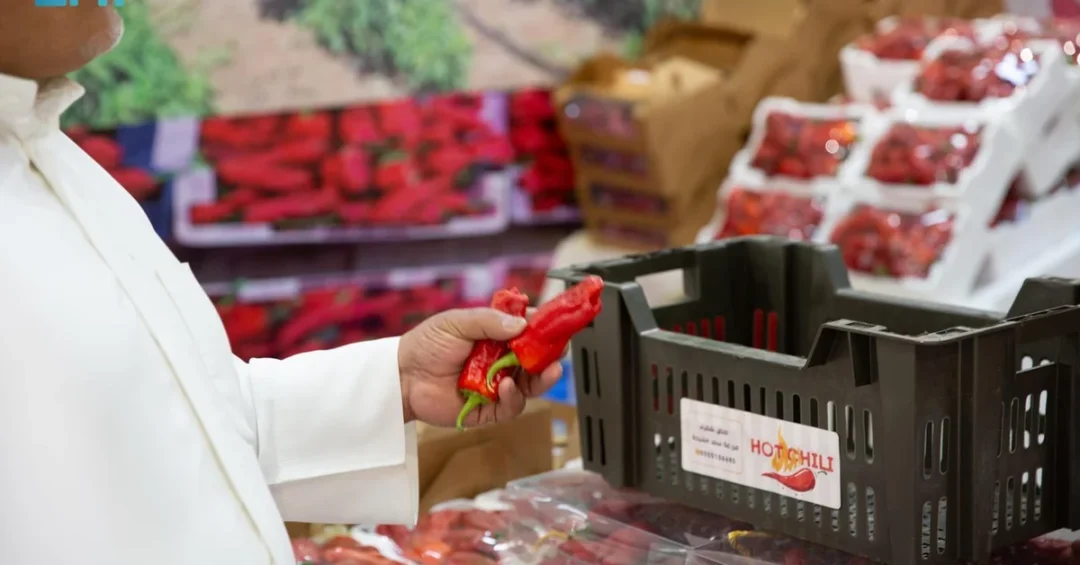
The fourth edition of the Shaqra Pepper Festival, organized by the National Company for Agricultural Services in collaboration with several government entities, has attracted over 70,000 visitors since opening on July 28, 2024, according to the Saudi Press Agency (SPA). The festival, held in Shaqra Governorate, highlights the region’s agricultural heritage and the growing importance of pepper cultivation to Saudi Arabia’s food security and economic diversification goals. Agricultural experts have conducted specialized workshops aimed at boosting pepper production, supporting related processing industries, and increasing the agricultural sector’s contribution to the national GDP.
Context and Background
Shaqra, located approximately 190 kilometers northwest of Riyadh, has long been known for its agricultural output, particularly its distinctive pepper varieties. The Shaqra Pepper Festival, now in its fourth year, serves as a platform to celebrate this local crop while fostering innovation and investment in the agricultural sector. The event is organized by the National Company for Agricultural Services, a key player in Saudi Arabia’s efforts to modernize farming practices and enhance food security, in collaboration with various government entities. This year’s festival underscores the Kingdom’s commitment to sustainable agriculture and rural development, aligning with the objectives of Saudi Vision 2030 to diversify the economy and promote non-oil sectors.
Key Details
The festival features a series of workshops led by agricultural experts. One workshop, titled “Strategies for Preparing the Land for Pepper Cultivation in Shaqra,” addressed critical topics such as the significance of pepper to the Saudi market, optimal environmental conditions for cultivation, soil analysis and preparation, and methods to improve soil quality through fertilizers and pH adjustment. Another workshop, “Manufacturing Industries and Their Role in Enhancing the Added Value of the Pepper Plant,” explored the various processing industries that utilize pepper and their importance to sustainable development. A third workshop, “Proper Agricultural Practices for Pepper Crop in Shaqra from Planting to Harvest,” covered best practices to improve yield and quality, including integrated pest management, fertilization, irrigation methods, and harvesting techniques, especially in light of climate change challenges.
The festival has drawn a diverse audience, including farmers, entrepreneurs, and families, who have enjoyed exhibitions, culinary demonstrations, and cultural activities. The high turnout of over 70,000 visitors reflects the growing public interest in local agriculture and the festival’s role in promoting community engagement.
Implications and Impact
The Shaqra Pepper Festival plays a vital role in advancing Saudi Arabia’s agricultural sector by facilitating knowledge exchange and showcasing innovative practices. The focus on processing industries and value-added products can stimulate economic growth, create job opportunities, and reduce reliance on imports. By enhancing the pepper value chain, from cultivation to processing, the Kingdom can improve its food security and increase agricultural exports. Moreover, the festival strengthens the local economy in Shaqra and surrounding areas, supporting small-scale farmers and fostering rural development. On a broader scale, such initiatives contribute to the Kingdom’s vision of a diversified and sustainable economy, positioning Saudi Arabia as a leader in agricultural innovation in the region.
Vision 2030 Alignment
The Shaqra Pepper Festival exemplifies Saudi Vision 2030’s goals of economic diversification, food security, and sustainable development. By promoting local agriculture and value-added industries, the festival supports the National Transformation Program and the Ministry of Environment, Water and Agriculture’s efforts to boost domestic production and enhance the agricultural sector’s contribution to GDP. As Saudi Arabia continues to invest in modern farming technologies and rural development, events like this highlight the Kingdom’s progress toward a resilient and prosperous future, ensuring food security for generations to come.
20 Questions
Q1. What is the Shaqra Pepper Festival?
A1. The Shaqra Pepper Festival is an annual event organized by the National Company for Agricultural Services to celebrate and promote pepper cultivation in Shaqra Governorate, featuring workshops, exhibitions, and cultural activities.
Q2. How many visitors attended the fourth edition?
A2. Over 70,000 visitors attended the fourth edition of the Shaqra Pepper Festival since its launch on July 28, 2024, according to the Saudi Press Agency.
Q3. Who organizes the Shaqra Pepper Festival?
A3. The festival is organized by the National Company for Agricultural Services in collaboration with several government entities, reflecting a collective effort to advance the agricultural sector.
Q4. What is the main goal of the festival?
A4. The main goal is to boost pepper cultivation and production, support processing industries, achieve national food security, and increase the agricultural sector’s contribution to GDP.
Q5. What topics were covered in the workshops?
A5. Workshops covered land preparation, soil analysis, manufacturing industries, value-added processing, agricultural best practices, pest management, fertilization, irrigation, and harvesting techniques for pepper crops.
Q6. Why is Shaqra known for pepper cultivation?
A6. Shaqra has a longstanding agricultural heritage and suitable environmental conditions for growing distinctive pepper varieties, making it a hub for pepper production in Saudi Arabia.
Q7. How does the festival support food security?
A7. By promoting pepper cultivation and processing industries, the festival helps increase domestic production, reduce imports, and enhance the Kingdom’s food security.
Q8. What role do processing industries play?
A8. Processing industries add value to pepper by turning raw crops into products like sauces, spices, and preserves, thereby boosting economic returns and creating jobs.
Q9. How does the festival align with Vision 2030?
A9. It aligns with Vision 2030 by diversifying the economy, promoting sustainable agriculture, enhancing food security, and supporting rural development and non-oil sectors.
Q10. What are the benefits for local farmers?
A10. Local farmers gain knowledge from experts, access to new markets, and opportunities to increase their income through improved practices and value-added products.
Q11. How does climate change affect pepper cultivation?
A11. Climate change poses challenges such as water scarcity and temperature fluctuations, but workshops addressed adaptive practices like efficient irrigation and integrated pest management.
Q12. What government entities are involved?
A12. Several government entities collaborate, including the Ministry of Environment, Water and Agriculture, to support the festival’s objectives and ensure its success.
Q13. What is the economic impact of the festival?
A13. The festival stimulates local economic activity, supports small businesses, and promotes agricultural tourism, contributing to the region’s overall development.
Q14. How does the festival promote Saudi culture?
A14. It showcases local culinary traditions, agricultural heritage, and community activities, fostering pride in Saudi culture and attracting visitors from across the Kingdom.
Q15. What are the future plans for the festival?
A15. Future editions aim to expand participation, introduce more innovative workshops, and further integrate technology and sustainability into pepper cultivation and processing.
Q16. How can pepper cultivation increase GDP?
A16. By enhancing yields, processing, and exports, pepper cultivation can contribute to agricultural GDP growth, supporting economic diversification goals.
Q17. What sustainable practices were highlighted?
A17. Sustainable practices include efficient irrigation, soil health management, integrated pest management, and organic fertilization to ensure long-term productivity and environmental stewardship.
Q18. What is the significance of soil analysis?
A18. Soil analysis helps determine nutrient needs and pH levels, enabling farmers to optimize soil conditions for healthy pepper growth and higher yields.
Q19. How does the festival attract international attention?
A19. By showcasing Saudi agricultural innovation and successful events, the festival can attract international investors, researchers, and tourists interested in sustainable farming.
Q20. What is the expected outcome of the workshops?
A20. The workshops aim to equip farmers with knowledge and skills to improve pepper quality and quantity, boost processing industries, and contribute to national food security and economic growth.
Reader Feedback
We value your thoughts. Please share your feedback on this article.
Your feedback helps us improve our coverage.