


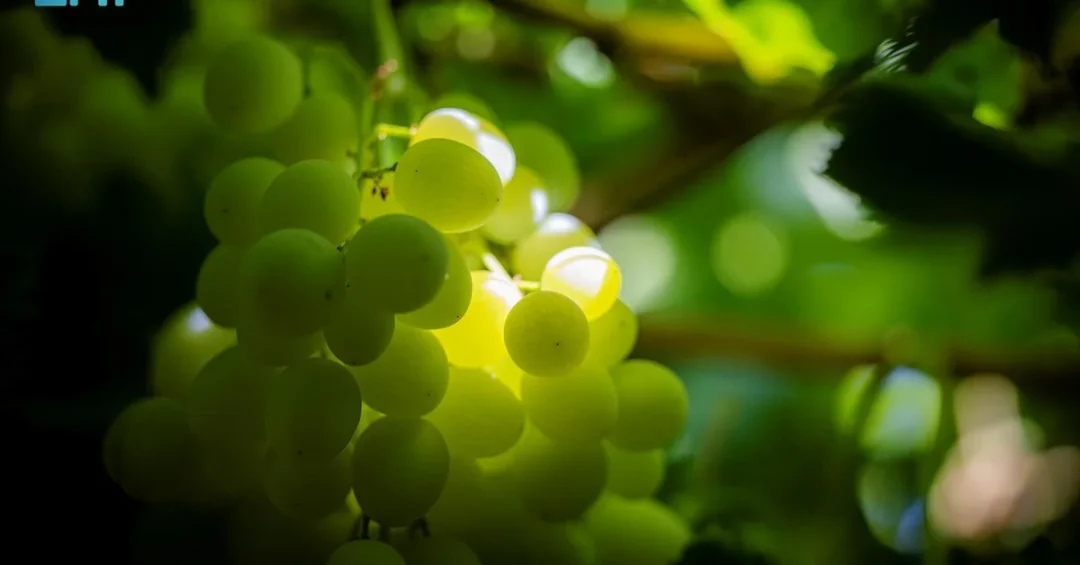
Tabuk, Saudi Arabia — More than 1.58 million grapevines in the Tabuk region are yielding over 43,750 tons of premium table grapes annually, supplying local markets with some of the finest varieties in the Kingdom, according to the Saudi Press Agency (SPA). The region’s vineyards cultivate both seeded and seedless grapes, including distinguished varieties such as “Prime”, “Superior”, “Red Globe”, “Autumn Royal”, and “Moon Balls”, reinforcing Tabuk’s status as a leading agricultural hub in Saudi Arabia.
Context and Background
Tabuk’s emergence as a grape-producing powerhouse is the result of a combination of natural advantages and strategic agricultural development. The region benefits from a favorable climate, fertile soil, and ample water resources, which together create ideal conditions for viticulture. Farmers in Tabuk have adopted the Spanish “arbor” system, a traditional vine-training method that enhances sunlight exposure and air circulation, thereby improving fruit quality and yield. This system, combined with modern agricultural techniques, has positioned Tabuk as a key contributor to Saudi Arabia’s agricultural self-sufficiency and economic diversification goals.
The Ministry of Environment, Water, and Agriculture branch in Tabuk plays a pivotal role in this success. Through seminars, training courses, lectures, and workshops, ministry experts share knowledge with local farmers on best practices, including responsible pesticide and fertilizer use. This collaborative approach ensures that farmers are equipped with the latest information to maintain high-quality produce while preserving soil health and environmental sustainability.
Key Details
The scale of Tabuk’s grape production is significant: 1,580,575 vines generate over 43,750 tons annually, meeting local market demand and contributing to food security. The region’s vineyards are known for their diverse varieties, each with unique characteristics that cater to different consumer preferences. For instance, “Red Globe” is prized for its large, crisp berries, while “Autumn Royal” offers a seedless, sweet flavor. These varieties are cultivated using advanced practices such as EnviroSCAN for precise irrigation control and electrostatic spraying equipment for efficient pesticide application. These technologies not only boost productivity but also ensure that the grapes meet the highest quality and safety standards.
Farmers also implement rigorous irrigation and fertilization programs to prevent salt accumulation and maintain tree and soil health. This holistic approach to vineyard management reflects the Ministry’s commitment to sustainable agriculture and the Kingdom’s broader environmental objectives.
Implications and Impact
The success of Tabuk’s grape industry has far-reaching implications for Saudi Arabia’s economy and food security. By meeting local demand, the region reduces reliance on imported produce, supports the national goal of agricultural self-sufficiency, and creates employment opportunities in rural areas. Moreover, the adoption of modern technologies and sustainable practices serves as a model for other agricultural regions in the Kingdom, demonstrating how innovation can drive productivity while preserving natural resources.
On a regional level, Tabuk’s grape production enhances Saudi Arabia’s position as a reliable supplier of high-quality agricultural products. It also contributes to the diversification of the economy away from oil, aligning with the objectives of Vision 2030. As the Kingdom continues to invest in agricultural research and infrastructure, Tabuk’s vineyards are poised to play an even greater role in driving economic growth and enhancing the quality of life for citizens.
Vision 2030 Alignment
The development of Tabuk’s grape sector exemplifies the goals of Saudi Vision 2030, which seeks to diversify the economy, achieve food security, and promote sustainable development. By leveraging modern technologies and empowering local farmers, the Kingdom is building a resilient agricultural sector that not only meets domestic needs but also contributes to non-oil exports. As part of Vision 2030, Saudi Arabia aims to become a global leader in sustainable agriculture, and Tabuk’s success story is a testament to the progress being made. With continued support from the Ministry of Environment, Water, and Agriculture, the region will continue to thrive, supplying the finest products to markets and reinforcing the Kingdom’s journey toward a prosperous and sustainable future.
20 Questions
Q1. How many grapevines are cultivated in the Tabuk region?
A1. Tabuk is home to 1,580,575 grapevines, according to the Saudi Press Agency. This extensive cultivation underscores the region’s significant role in Saudi agriculture and its capacity to supply high-quality grapes to local markets.
Q2. What is the annual grape yield in Tabuk?
A2. The region yields over 43,750 tons of grapes annually. This substantial production meets local market demand and contributes to the Kingdom’s food security goals by reducing reliance on imports.
Q3. Which grape varieties are grown in Tabuk?
A3. Tabuk cultivates both seeded and seedless varieties, including Prime, Superior, Red Globe, Autumn Royal, and Moon Balls. These diverse varieties cater to different consumer preferences and showcase the region’s agricultural versatility.
Q4. What is the Spanish “arbor” system?
A4. The Spanish “arbor” system is a vine-training method used in Tabuk. It enhances sunlight exposure and air circulation, improving fruit quality and yield. This traditional technique, combined with modern practices, ensures premium grape production.
Q5. How does EnviroSCAN benefit grape cultivation?
A5. EnviroSCAN is a modern irrigation control system that optimizes water usage. It helps farmers apply precise amounts of water, preventing waste and ensuring vines receive adequate moisture for healthy growth and high-quality fruit.
Q6. What is electrostatic spraying equipment?
A6. Electrostatic spraying equipment is used for efficient pesticide application. It charges droplets to ensure even coverage on vines, reducing chemical use while effectively protecting crops from pests and diseases.
Q7. How does the Ministry of Environment, Water, and Agriculture support farmers?
A7. The Ministry’s Tabuk branch guides farmers through seminars, training courses, lectures, and workshops. It shares knowledge on modern agricultural methods, responsible pesticide and fertilizer use, and sustainable practices to ensure high-quality produce.
Q8. Why is irrigation and fertilization management important?
A8. Proper irrigation and fertilization prevent salt accumulation and preserve tree and soil health. This management is crucial for maintaining long-term vineyard productivity and ensuring the sustainability of Tabuk’s grape industry.
Q9. How does Tabuk’s grape production contribute to Saudi food security?
A9. By meeting local market demand, Tabuk reduces the need for imported grapes. This enhances national food security, supports economic diversification, and aligns with Vision 2030’s goal of agricultural self-sufficiency.
Q10. What role does climate play in Tabuk’s grape success?
A10. Tabuk’s favorable climate, with ample sunshine and suitable temperatures, creates ideal conditions for grape cultivation. Combined with fertile soil and water resources, it enables the production of high-quality grapes.
Q11. What are “Prime” grapes?
A11. “Prime” is a seedless grape variety known for its crisp texture and sweet flavor. It is one of the premium varieties cultivated in Tabuk, contributing to the region’s reputation for producing fine table grapes.
Q12. What are “Moon Balls” grapes?
A12. “Moon Balls” is a distinctive grape variety, likely named for its round shape and light color. It is among the unique cultivars grown in Tabuk, adding diversity to the region’s grape production.
Q13. How does Tabuk’s grape industry support local employment?
A13. The industry creates jobs in vineyard management, harvesting, packing, and distribution. It also supports related sectors such as transportation and retail, contributing to rural development and economic growth in the region.
Q14. What sustainable practices are used in Tabuk’s vineyards?
A14. Farmers use EnviroSCAN for water control, electrostatic spraying for pesticides, and balanced irrigation and fertilization programs. These practices minimize environmental impact while maintaining high productivity and soil health.
Q15. How does Tabuk’s grape production align with Vision 2030?
A15. It supports economic diversification, food security, and sustainable agriculture—core pillars of Vision 2030. By reducing imports and adopting modern technologies, Tabuk contributes to a resilient non-oil economy.
Q16. What is the significance of the Spanish “arbor” system for Tabuk?
A16. The system maximizes vine health and yield by improving sunlight and airflow. Its adoption in Tabuk, alongside modern techniques, demonstrates the region’s commitment to blending tradition with innovation for optimal results.
Q17. How does the Ministry ensure responsible pesticide use?
A17. The Ministry provides education on safe pesticide application, promotes electrostatic spraying, and monitors practices. This ensures compliance with environmental standards and protects both consumers and workers.
Q18. What are the economic benefits of Tabuk’s grape industry?
A18. It generates income for farmers, creates jobs, reduces import dependence, and boosts local markets. The industry also attracts investment in agricultural technology, supporting broader economic growth in the Kingdom.
Q19. How can other regions learn from Tabuk’s success?
A19. Other regions can adopt similar modern techniques, seek Ministry support, and focus on sustainable practices. Tabuk’s model shows how collaboration between farmers and government can lead to agricultural excellence and economic benefits.
Q20. What is the future outlook for Tabuk’s grape production?
A20. With continued Ministry support and technological adoption, Tabuk’s grape production is expected to grow. It will further contribute to food security, economic diversification, and Saudi Arabia’s Vision 2030 goals.
Reader Feedback
We value your thoughts. Please share your feedback on this article.
Your feedback helps us improve our coverage.