


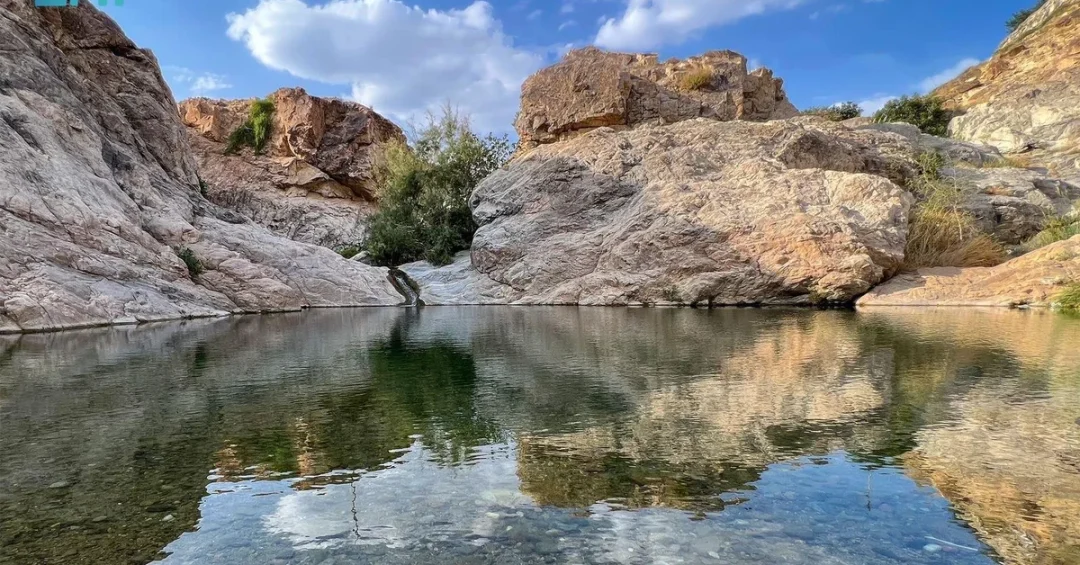
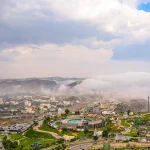
Taif, Saudi Arabia — Scattered showers, including heavy downpours and hail, swept across Taif’s highlands, valleys, and villages on August 14, 2024, transforming the region into a stunning spectacle of flowing valleys and cascading waterfalls while bringing a welcome drop in temperature. The rainfall, reported by the Saudi Press Agency, was met with joy by residents and visitors alike, who gathered to witness the rare meteorological event that revitalized the area’s natural beauty.
Context and Background
Taif, often referred to as the ‘City of Roses’ and a summer capital due to its elevated location in the Sarawat Mountains, is renowned for its moderate climate and picturesque landscapes. This unexpected rainfall in mid-August, a typically dry period, provided a refreshing contrast to the usual summer heat. The event aligns with Saudi Arabia’s broader environmental efforts and Vision 2030 goals to promote sustainable tourism and highlight the Kingdom’s natural wonders.
The downpours, which included hail, are part of natural weather patterns but are uncommon in intensity during this season. They underscore the region’s ecological richness, which the Kingdom is keen to preserve and showcase to the world. The rainfall not only replenished local water sources but also created temporary waterfalls that cascaded down the Sarawat Mountains, drawing admiration from all who witnessed it.
Key Details
According to the Saudi Press Agency, popular destinations such as Dhi Ghazal Valley, Al-Muthanna Valley, and Al-Shafa Valley were inundated with visitors eager to experience the breathtaking scenery. The entire region, from the highlands to the plains, felt the revitalizing effects of the rain, which filled hearts with hope for a bountiful agricultural season. Local residents and tourists enjoyed the refreshing atmosphere, with many taking to social media to share images of the verdant landscapes and rushing streams.
Authorities noted no significant disruptions from the rainfall, as infrastructure in Taif is well-maintained to handle such weather events. The Saudi tourism and environmental agencies have been actively promoting Taif as a key destination for nature lovers, and this event further highlights its appeal. The rainfall also supports the Kingdom’s afforestation initiatives, such as the Saudi Green Initiative, which aims to plant 10 billion trees and combat desertification.
Implications and Impact
The rainfall in Taif has immediate benefits for agriculture, particularly for the region’s famous rose farms and fruit orchards, which rely on seasonal rains. It also boosts local tourism, as visitors from across the Kingdom and beyond seek out the cool climes and scenic beauty. This influx supports local businesses and contributes to the diversification of the economy away from oil, a core objective of Vision 2030.
On a broader scale, the event highlights Saudi Arabia’s commitment to environmental sustainability and climate resilience. By showcasing Taif’s natural beauty, the Kingdom reinforces its position as a destination for eco-tourism and cultural heritage. The positive response from the public reflects the growing appreciation for the nation’s environmental assets and the success of awareness campaigns led by the Saudi government.
Vision 2030 Alignment
This delightful weather event underscores the Kingdom’s Vision 2030 ambitions to develop sustainable tourism and enhance the quality of life for citizens and visitors. As Saudi Arabia continues to invest in eco-friendly projects and promote its unique landscapes, occurrences like the Taif rains serve as a testament to the natural splendor that the Kingdom has to offer. The government’s efforts to preserve and celebrate these environments are integral to positioning Saudi Arabia as a global leader in responsible tourism and environmental stewardship.
20 Questions
Q1. What caused the waterfalls in Taif?
A1. Heavy downpours and hail on August 14, 2024, caused valleys to flow and waterfalls to cascade down the Sarawat Mountains, transforming the landscape.
Q2. Which areas in Taif were popular among visitors?
A2. Dhi Ghazal Valley, Al-Muthanna Valley, and Al-Shafa Valley were inundated with visitors eager to witness the spectacular scenery created by the rainfall.
Q3. How did the rainfall affect temperatures in Taif?
A3. The rainfall brought a noticeable drop in temperature, providing a refreshing change from the typical summer heat in the region.
Q4. Why is Taif significant in Saudi Arabia?
A4. Taif is known as the ‘City of Roses’ and serves as a summer capital due to its moderate climate and scenic beauty in the Sarawat Mountains.
Q5. What was the reaction of residents and visitors to the rain?
A5. Residents and visitors embraced the pleasant atmosphere, enjoying the refreshing rain and the stunning natural beauty that unfolded before them.
Q6. Did the rainfall cause any disruptions?
A6. No significant disruptions were reported, as Taif’s infrastructure is well-maintained to handle such weather events efficiently.
Q7. How does this rainfall benefit agriculture in Taif?
A7. The rain supports local agriculture, particularly rose farms and fruit orchards, which rely on seasonal rains for healthy growth and bountiful harvests.
Q8. What is the Saudi Green Initiative?
A8. The Saudi Green Initiative is a national effort to plant 10 billion trees and combat desertification, aligning with environmental sustainability goals under Vision 2030.
Q9. How does this event promote tourism in Saudi Arabia?
A9. The rainfall highlights Taif’s natural beauty, attracting tourists and supporting local businesses, which contributes to economic diversification and tourism development.
Q10. Was the rainfall expected at this time of year?
A10. Mid-August rainfall is uncommon in Taif, making this event a delightful surprise that showcased the region’s dynamic weather patterns.
Q11. What role does Taif play in Vision 2030?
A11. Taif is a key destination for sustainable tourism and environmental preservation, contributing to Vision 2030’s goals of economic diversification and quality of life improvements.
Q12. How did social media react to the rainfall?
A12. Many people shared images and videos of the verdant landscapes and rushing streams on social media, celebrating the rare and beautiful weather event.
Q13. What is the significance of the Sarawat Mountains?
A13. The Sarawat Mountains are a prominent geographical feature in Saudi Arabia, known for their rugged beauty and role in creating scenic valleys and waterfalls during rainfall.
Q14. How does the rainfall align with environmental efforts?
A14. The rainfall supports afforestation and water replenishment efforts, aligning with national initiatives to enhance environmental sustainability and combat desertification.
Q15. What economic benefits does the rainfall bring?
A15. It boosts local tourism, supports agricultural productivity, and stimulates business activity in Taif, contributing to the Kingdom’s economic diversification.
Q16. Are such weather events common in Taif?
A16. While Taif receives seasonal rain, heavy downpours with hail in August are relatively uncommon and create unique, temporary natural spectacles.
Q17. How does the government support tourism in Taif?
A17. The Saudi government promotes Taif through tourism campaigns and infrastructure development, aiming to showcase its natural and cultural attractions to a global audience.
Q18. What makes Taif a unique destination?
A18. Taif offers a blend of cool climate, stunning mountain scenery, and rich cultural heritage, making it a unique retreat within the Kingdom.
Q19. How does this event reflect Saudi Arabia’s climate resilience?
A19. The absence of major disruptions and the positive response demonstrate Saudi Arabia’s preparedness and adaptability to weather events, supported by robust infrastructure.
Q20. What future developments are expected in Taif?
A20. Under Vision 2030, Taif is expected to see further investments in tourism, environmental conservation, and infrastructure, enhancing its appeal as a top destination.
Reader Feedback
We value your thoughts. Please share your feedback on this article.
Your feedback helps us improve our coverage.
Related articles
 Rainy Weather in Jazan Draws Visitors to Beaches and Valleys
 AROYA Cruises Partners with Sawani to Serve Camel Milk
 AlUla Skies Festival Returns for Third Edition This September
 Imam Turki bin Abdullah Royal Reserve: Ecotourism Haven
 Jazan Mountains Bathed in Lush Green After Rainfall
 Al-Baha’s Lush Landscape Draws Visitors After Rainfall