


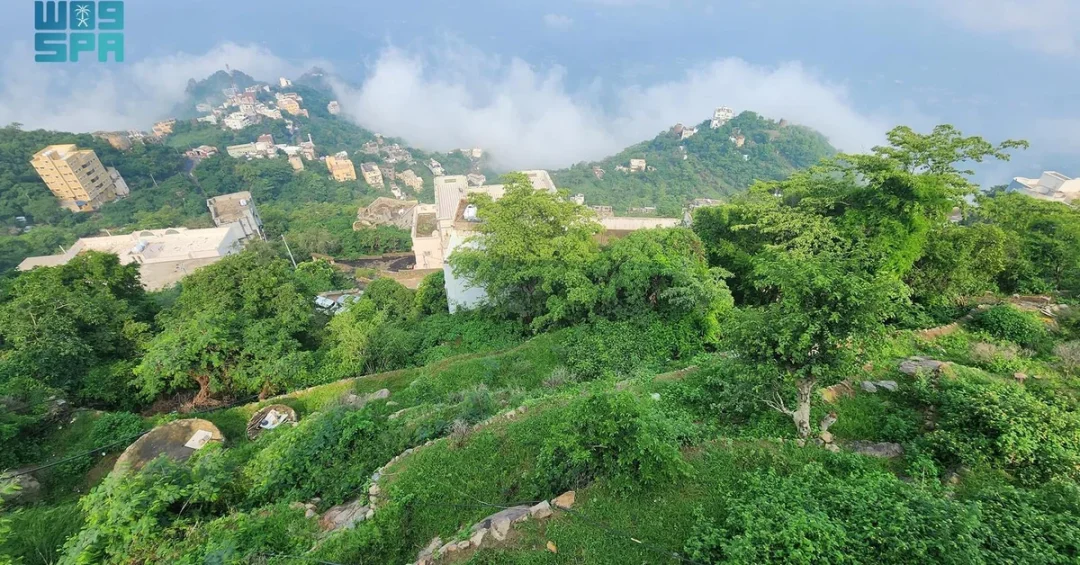
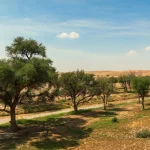
Heavy fog and recent rainfall have transformed the mountainous governorates of the Jazan region into a lush, green expanse, drawing hikers and nature enthusiasts to witness the area’s striking natural beauty, according to the Saudi Press Agency (SPA). The region’s distinctive aromatic plants have filled the air with their fragrance, while terraced agricultural lands and natural attractions such as forests, springs, and waterfalls have become focal points for visitors. The transformation, captured in photographs from Fifa, Haroub, Ad-Dayer, Ar-Raith, and Al-Aridah, highlights the unique environmental and touristic potential of Saudi Arabia’s southwestern region.
Context and Background
Jazan, located in the southwest of the Kingdom of Saudi Arabia, is known for its diverse topography, which ranges from coastal plains to rugged mountains. The region’s climate, influenced by monsoon-like conditions, supports a variety of plant life not commonly found in other parts of the Kingdom. The recent heavy fog and rainfall have accentuated this natural richness, turning the mountains into a vibrant green landscape that stands in contrast to the more arid regions of the country. This phenomenon is part of the region’s seasonal cycle, which typically brings cooler temperatures and increased precipitation, fostering the growth of lush vegetation and aromatic plants.
Key Details
The SPA report detailed that the fog enveloped the mountainous governorates in recent days, creating a picturesque setting that has attracted hikers and tourists. The area’s terraced agricultural lands, a traditional farming method that helps conserve water and soil, are now flanked by flourishing greenery. Natural attractions such as forests, springs, and waterfalls have become more accessible and appealing during this period. The aromatic plants, which are native to the region, add a sensory dimension to the experience, with their fragrance permeating the air. Photographs from locations like Fifa, Haroub, Ad-Dayer, Ar-Raith, and Al-Aridah showcase the region’s splendor, underscoring its potential as a destination for eco-tourism and outdoor recreation.
Implications and Impact
The greening of Jazan’s mountains has significant implications for local tourism and the broader Saudi economy. As the Kingdom continues to diversify its economy away from oil dependence, regions like Jazan offer opportunities for sustainable tourism development. The natural beauty and unique biodiversity can attract domestic and international visitors, contributing to job creation and local business growth. Moreover, the increased attention to Jazan’s landscapes aligns with national efforts to promote domestic tourism and showcase the Kingdom’s environmental diversity. The region’s transformation also highlights the importance of environmental conservation and sustainable land management practices, which are essential for preserving these natural assets for future generations.
Vision 2030 Alignment
This development aligns closely with Saudi Vision 2030, which aims to diversify the economy and enhance the quality of life for citizens and residents. The vision includes goals to increase tourism’s contribution to the GDP and to develop regions outside major cities. Jazan’s natural endowments, when properly managed, can become a key component of the Kingdom’s tourism strategy, offering a unique blend of cultural heritage and natural beauty. By promoting sustainable tourism in areas like Jazan, Saudi Arabia is not only showcasing its environmental treasures but also creating opportunities for economic growth and international engagement, further solidifying its role as a leading destination in the region.
20 Questions
Q1. What recent weather event has transformed the Jazan mountains?
A1. Heavy fog and recent rainfall have enveloped the mountainous governorates of Jazan, creating a lush green landscape. This weather pattern is part of the region’s seasonal cycle, bringing cooler temperatures and increased precipitation that foster vibrant vegetation.
Q2. Which areas in Jazan were highlighted in the SPA report?
A2. The SPA report featured photographs from Fifa, Haroub, Ad-Dayer, Ar-Raith, and Al-Aridah. These locations showcase the region’s terraced agricultural lands, forests, springs, and waterfalls, drawing attention to Jazan’s natural splendor.
Q3. What makes Jazan’s vegetation unique compared to other regions in Saudi Arabia?
A3. Jazan’s climate supports a variety of plant life not commonly found in other parts of the Kingdom. Its mountainous terrain and monsoon-like conditions allow for lush greenery and distinctive aromatic plants that fill the air with fragrance.
Q4. How has the greening of Jazan affected local tourism?
A4. The transformation has attracted hikers and nature enthusiasts, boosting local tourism. The scenic beauty, including terraced lands and natural attractions, offers opportunities for eco-tourism and outdoor recreation, contributing to the local economy.
Q5. What are terraced agricultural lands and why are they important in Jazan?
A5. Terraced agricultural lands are farming areas carved into hillsides to conserve water and soil. In Jazan, they are integral to traditional farming and are now flanked by flourishing greenery, enhancing the region’s picturesque landscape.
Q6. How does the Jazan landscape support Saudi Vision 2030?
A6. The landscape supports Vision 2030 by promoting sustainable tourism and economic diversification. By attracting visitors, Jazan can contribute to GDP growth, create jobs, and showcase the Kingdom’s environmental diversity, aligning with quality-of-life goals.
Q7. What natural attractions can visitors expect to see in Jazan?
A7. Visitors can explore forests, springs, waterfalls, and terraced agricultural lands. The region also boasts aromatic plants and diverse wildlife, making it a rich destination for nature lovers and adventure seekers.
Q8. Why is the fog significant in this context?
A8. The fog contributes to the picturesque landscape by adding a mystical atmosphere and supporting plant growth through moisture. It enhances the visual appeal of the mountains and creates a unique experience for visitors.
Q9. How does the recent rainfall impact the local ecosystem?
A9. The rainfall nourishes the soil and promotes lush vegetation, supporting biodiversity. It replenishes springs and waterfalls, ensuring water availability for plants, animals, and local communities, thus maintaining ecological balance.
Q10. What role does the Saudi Press Agency play in reporting such events?
A10. The Saudi Press Agency (SPA) serves as the official news agency of the Kingdom, documenting and disseminating information about significant events, including natural phenomena. Its reports and photographs help showcase Saudi Arabia’s beauty and developments.
Q11. How can tourists access these mountainous areas in Jazan?
A11. Tourists can access the areas via roads and guided tours. The Saudi Tourism Authority provides information on routes and accommodations. Local guides often lead hikes to ensure safety and enrich the experience with cultural insights.
Q12. What is the cultural significance of Jazan’s agricultural terraces?
A12. The terraces reflect traditional farming practices passed down through generations, symbolizing the resilience and ingenuity of local communities. They are part of Jazan’s cultural heritage and contribute to the region’s identity.
Q13. Are there any conservation efforts in place for Jazan’s natural sites?
A13. Yes, the Saudi government and local authorities implement conservation measures to protect natural sites. These include regulating land use, promoting sustainable tourism, and raising awareness about environmental preservation among visitors and residents.
Q14. How does Jazan’s climate differ from other regions in Saudi Arabia?
A14. Jazan has a more humid and moderate climate due to its proximity to the Red Sea and mountainous terrain. It receives higher rainfall, especially during monsoon seasons, supporting lush vegetation unlike the arid interior.
Q15. What economic opportunities does eco-tourism bring to Jazan?
A15. Eco-tourism creates jobs in hospitality, guiding, and local crafts. It stimulates small businesses, improves infrastructure, and generates revenue for the region, contributing to economic diversification and community development.
Q16. How does the SPA’s photography contribute to promoting the region?
A16. SPA’s photographs visually capture Jazan’s stunning landscapes, attracting global attention. They serve as powerful promotional tools, showcasing the Kingdom’s natural beauty and encouraging tourists to visit and explore.
Q17. What types of aromatic plants are found in Jazan?
A17. Jazan is home to various aromatic plants, including wild herbs and flowers like lavender and jasmine. These plants not only add fragrance but also have traditional medicinal uses and cultural significance for local communities.
Q18. How can visitors respect the local environment while exploring Jazan?
A18. Visitors should follow Leave No Trace principles: dispose of waste properly, stay on designated trails, avoid disturbing wildlife, and respect local customs. Responsible tourism helps preserve Jazan’s natural beauty for future generations.
Q19. What government initiatives support tourism in Jazan?
A19. The Saudi Tourism Authority and Vision 2030 initiatives promote Jazan as a tourist destination. They invest in infrastructure, marketing, and training, aiming to attract domestic and international visitors to the region’s unique attractions.
Q20. How does the greening of Jazan reflect Saudi Arabia’s environmental goals?
A20. It reflects the Kingdom’s commitment to environmental sustainability and the Saudi Green Initiative. By preserving natural landscapes and promoting eco-tourism, Saudi Arabia aims to combat climate change and enhance quality of life.
Reader Feedback
We value your thoughts. Please share your feedback on this article.
Your feedback helps us improve our coverage.
Related articles
 Al-Baha’s Lush Landscape Draws Visitors After Rainfall
 Summer in Aseer: Sports Enthusiasts Embrace Breathtaking Nature as Diriyah Saudi Super Cup Concludes
 Abu Al-Waul: Kingdom’s Longest Cave Beckons Adventure Seekers
 OPDC and IMI Partner to Boost Maritime Operations at THE RIG
 Jazan’s Beauty Amazes Wilderness and Mountain Enthusiasts
 Imam Abdulaziz Royal Reserve: Geological Wonders and Rare Species