


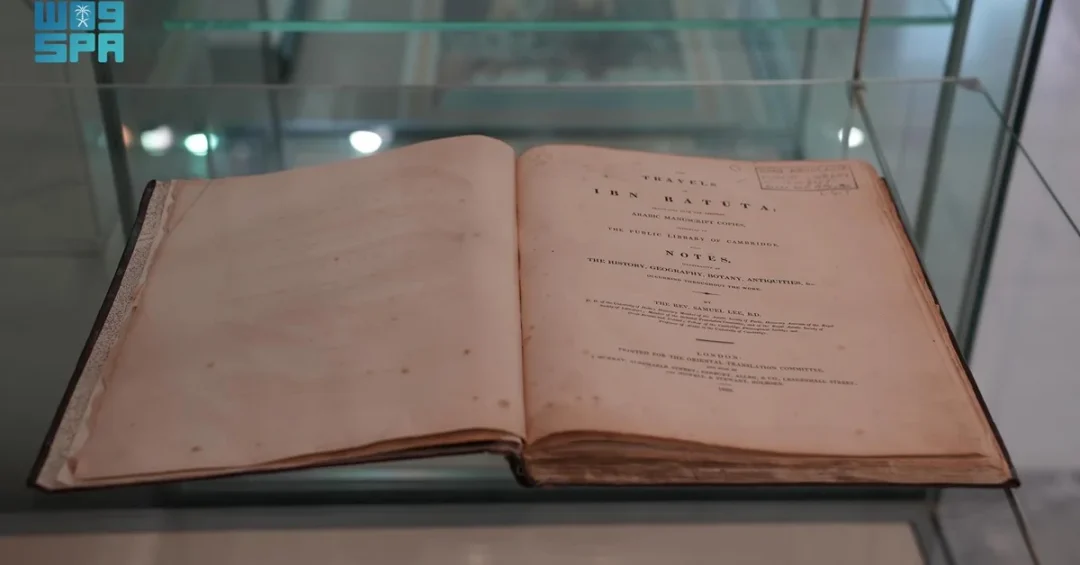
The King Abdulaziz Public Library in Riyadh is reinforcing its role as a global guardian of Arab and Islamic heritage, with a collection exceeding three million books and a rapidly expanding digital archive, according to official Saudi sources. Since its inauguration in 1987, the library has become a leading institution for preserving, documenting, and sharing the rich history of Arab and Islamic civilization, serving researchers, scholars, and students worldwide. Its comprehensive holdings include rare manuscripts, ancient maps, and invaluable artefacts that offer deep insights into centuries of cultural and intellectual achievement.
Context and Background
The King Abdulaziz Public Library was established as a beacon of knowledge, reflecting Saudi Arabia’s commitment to education and cultural preservation. From its inception, the library has prioritized the digitization of its collections to ensure both accessibility and long-term preservation. This forward-thinking approach aligns with the Kingdom’s broader efforts to harness technology for the benefit of humanity. The library has also published extensively on the history of Saudi Arabia and the wider Arab and Islamic world, and has hosted numerous international seminars that bring together experts to discuss heritage preservation. One of its flagship initiatives, the Arabic Union Catalog, is an online platform that supports research and cultural exploration by providing a unified database of Arabic publications.
Key Details
The library’s physical and digital collections are a treasure trove for anyone interested in Arab and Islamic heritage. It houses over 8,000 manuscripts, 32,000 rare books, and 700 ancient maps, including Latin versions of Arabian Peninsula maps dating back to 1482. Additionally, the library holds 7,600 rare coins and a vast photographic archive featuring works by renowned photographers. Its commitment to preserving Islamic heritage is further exemplified by its collection of more than 350 rare copies of the Holy Quran. These priceless items are not merely stored but are actively shared through exhibitions that have become a cornerstone of the library’s outreach efforts, both within Saudi Arabia and internationally.
Implications and Impact
Through its digitization projects and global exhibitions, the King Abdulaziz Public Library is making Arab and Islamic heritage accessible to a worldwide audience. This not only enhances cultural understanding but also strengthens Saudi Arabia’s role as a custodian of Islamic history. Researchers and scholars from around the globe can now access rare materials that were previously difficult to obtain, fostering new avenues of study and collaboration. The library’s efforts also contribute to the United Nations Educational, Scientific and Cultural Organization’s (UNESCO) goals of preserving cultural heritage, although the library operates independently. By sharing its treasures, the library builds bridges between cultures and promotes a positive image of the Arab and Islamic world.
Vision 2030 Alignment
The King Abdulaziz Public Library’s ongoing innovation and outreach are in perfect harmony with Saudi Vision 2030, the Kingdom’s ambitious plan to diversify its economy and enhance its global engagement. By digitizing its collections and hosting exhibitions both domestically and internationally, the library is not only preserving the past but also shaping the future of cultural understanding. It serves as a model for how heritage institutions can leverage technology to reach broader audiences and contribute to a knowledge-based society. As Saudi Arabia continues its journey toward a more vibrant and open future, the library remains a vital pillar in showcasing the richness of Arab and Islamic civilization to the world.
20 Questions
Q1. When was the King Abdulaziz Public Library opened?
A1. The library opened in 1987 and has since become a leading institution for preserving Arab and Islamic heritage, serving researchers and scholars worldwide.
Q2. How many books does the library hold?
A2. The library’s collection exceeds three million books, covering a wide range of topics related to Arab and Islamic civilization and beyond.
Q3. What is the Arabic Union Catalog?
A3. The Arabic Union Catalog is an online platform launched by the library to support research and cultural exploration by providing a unified database of Arabic publications.
Q4. How many manuscripts are in the library’s collection?
A4. The library houses over 8,000 manuscripts, offering invaluable insights into historical and cultural aspects of the Arab and Islamic world.
Q5. What rare items can be found in the library?
A5. The library holds 32,000 rare books, 700 ancient maps, 7,600 rare coins, and over 350 rare copies of the Holy Quran, among other treasures.
Q6. How old are some of the maps in the library?
A6. Some maps date back to 1482, including Latin versions of Arabian Peninsula maps, providing historical geographical insights.
Q7. What is the library’s approach to digitization?
A7. The library prioritizes digitization to ensure accessibility and preservation of its collections, making them available to a global audience online.
Q8. Does the library host exhibitions?
A8. Yes, the library hosts exhibitions both domestically and internationally, showcasing its rare treasures and promoting cultural understanding.
Q9. How does the library align with Saudi Vision 2030?
A9. By innovating and sharing its collections globally, the library supports Vision 2030’s goals of cultural enrichment and global engagement.
Q10. Who can benefit from the library’s resources?
A10. Researchers, scholars, students, and anyone interested in Arab and Islamic heritage can benefit from the library’s vast resources.
Q11. What is the library’s role in preserving Islamic heritage?
A11. The library preserves Islamic heritage by maintaining rare Quran copies, manuscripts, and other artefacts, and by sharing them through exhibitions and digital platforms.
Q12. How many rare coins does the library have?
A12. The library’s collection includes 7,600 rare coins, which offer insights into historical economies and cultures.
Q13. Does the library have a photographic archive?
A13. Yes, it features a vast photographic archive with works by renowned photographers, capturing historical and cultural moments.
Q14. How many rare Quran copies are in the collection?
A14. The library holds over 350 rare copies of the Holy Quran, reflecting its dedication to preserving Islamic religious texts.
Q15. Has the library published any works?
A15. Yes, it has published extensively on the history of Saudi Arabia and the Arab and Islamic world, contributing to scholarly research.
Q16. What international seminars has the library hosted?
A16. The library has hosted international seminars on heritage, bringing together experts to discuss preservation and cultural exchange.
Q17. How can one access the library’s digital archive?
A17. The digital archive is accessible online through the library’s website, allowing global access to digitized collections.
Q18. What makes the library a leading resource?
A18. Its extensive collection, digitization efforts, and international outreach make it a leading resource for Arab and Islamic studies.
Q19. Does the library collaborate with other institutions?
A19. The library collaborates with various institutions globally to promote cultural understanding and heritage preservation.
Q20. What is the library’s future direction?
A20. The library will continue to innovate, digitize, and share its collections, aligning with Vision 2030 to foster global cultural understanding.
Reader Feedback
We value your thoughts. Please share your feedback on this article.
Your feedback helps us improve our coverage.
Related articles
 British Breeder Sells 3 Falcon Chicks for SAR 176,000 at Malham Auction
 Two Falcons Sold for SAR63,000 at International Falcon Breeders Auction
 Three Falcons from British Farm Sold for SAR164,000 at International Falcon Breeders Auction
 ‘Aseer Manuscripts Exhibition Opens in Ahad Rafidah
 A Falconer’s Journey from Rome to Riyadh
 Younger Generation Keeps Al-Baha’s Traditional Handicrafts Alive