


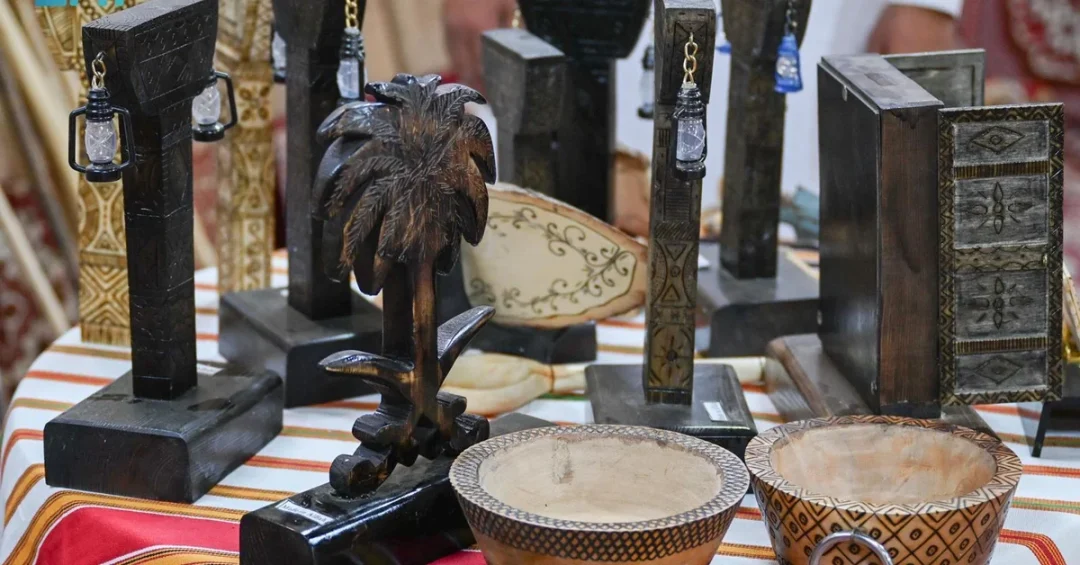
In the Al-Baha region of Saudi Arabia, a new generation of artisans, including Mohammed bin Jamaan Al-Zahrani and Eida Ali Al-Zahrani, is keeping traditional handicrafts alive, blending inherited skills with modern techniques to preserve the area’s rich cultural heritage. The two artists, who practice pyrography, painting, calligraphy, and sculpting, learned their crafts from their parents and grandparents, ensuring that techniques passed down through generations continue to thrive. Their work, supported by the Heritage Commission, reflects the region’s identity and history, and has become a source of income, demonstrating how traditional crafts can be both a cultural and economic asset in the Kingdom.
Context and Background
Al-Baha, located in the southwestern part of Saudi Arabia, is renowned for its distinct cultural heritage, including traditional handicrafts that have been practiced for centuries. These crafts, such as wood carving, pyrography (burning designs into wood), and calligraphy, are deeply rooted in the region’s history and reflect its natural and urban environment. The knowledge and skills associated with these crafts have been transmitted orally and through practice from one generation to the next, forming an integral part of the local identity. In recent years, however, there has been a renewed interest in preserving these traditions, driven by both individual artisans and institutional support.
Mohammed bin Jamaan Al-Zahrani, a native of Al-Baha, shared his experience with the Saudi Press Agency (SPA), stating, “I used to watch my parents and grandparents practicing carpentry with their simple tools.” He emphasized that carving and burning on wood require skill, accuracy, and patience, noting that there is no room for mistakes and that the process is time-consuming. His dedication to the craft exemplifies the commitment of the younger generation to uphold their heritage.
Key Details
Eida Ali Al-Zahrani, another artisan from the region, has honed his talent and incorporated modern techniques into his painting, wood burning, and carving. He transforms wood into sculptures, including old doors and windows sourced from Al-Baha’s natural, historical, and urban areas. These pieces not only showcase artistic skill but also serve as tangible links to the past, preserving the architectural and cultural memory of the region.
The artists acknowledge the role of the Heritage Commission in supporting handicrafts. The Commission organizes workshops and events to promote these crafts, recognizing their importance as a reflection of the region’s identity and history. This institutional backing has helped craftspeople sustain their livelihoods, as handicrafts have become a source of income for many. The popularity of handicrafts among various segments of society in Al-Baha is evident, and they continue to be passed down from generation to generation, with artists today developing and modernizing them to keep pace with the times.
Implications and Impact
The efforts of artisans like Mohammed and Eida have significant implications for cultural preservation and economic development in Saudi Arabia. By keeping traditional crafts alive, they contribute to the safeguarding of intangible cultural heritage, which is a key objective of the Heritage Commission and aligns with the broader goals of Vision 2030. Moreover, the commercialization of these crafts provides economic opportunities for local communities, supporting the diversification of income sources and the growth of the creative economy.
On a regional and international level, the preservation of such crafts enhances Saudi Arabia’s cultural diplomacy, showcasing the Kingdom’s rich heritage to the world. It also attracts tourism, as visitors seek authentic cultural experiences. The Al-Baha region, with its unique crafts, can become a destination for cultural tourism, further boosting the local economy and promoting cross-cultural understanding.
Vision 2030 Alignment
The work of Al-Baha’s artisans aligns closely with Saudi Vision 2030, which emphasizes the preservation and promotion of national heritage as part of the Kingdom’s cultural and economic transformation. By supporting handicrafts, Saudi Arabia not only honors its past but also invests in a sustainable future where traditional skills contribute to economic diversification and social well-being. The Heritage Commission’s initiatives, combined with the passion of the younger generation, ensure that these crafts will continue to thrive, embodying the spirit of Vision 2030 and reinforcing Saudi Arabia’s role as a guardian of cultural heritage on the global stage.
20 Questions
Q1. What is pyrography, and how is it practiced in Al-Baha?
A1. Pyrography is the art of burning designs into wood or other materials. In Al-Baha, artisans like Mohammed and Eida use it to decorate wood, combining it with carving and painting to create intricate sculptures and artworks that reflect the region’s heritage.
Q2. Who are Mohammed bin Jamaan Al-Zahrani and Eida Ali Al-Zahrani?
A2. They are two artisans from the Al-Baha region of Saudi Arabia who specialize in traditional handicrafts such as pyrography, wood carving, and painting. They learned these skills from their parents and grandparents and are now passing them on to new generations.
Q3. How did Mohammed and Eida learn their crafts?
A3. Both artists learned their crafts by watching and working with their parents and grandparents. Mohammed said he used to watch his family practice carpentry with simple tools, and he gradually developed his skills through practice and dedication.
Q4. What role does the Heritage Commission play in supporting handicrafts?
A4. The Heritage Commission supports handicrafts by organizing workshops, events, and exhibitions that promote these traditional arts. This support helps artisans gain recognition, preserve their heritage, and turn their skills into a source of income.
Q5. Why are handicrafts important to Al-Baha’s identity?
A5. Handicrafts in Al-Baha reflect the region’s history, culture, and natural environment. They are a tangible expression of local identity, passed down through generations, and serve as a link between the past and the present.
Q6. How have handicrafts become a source of income for artisans?
A6. With support from the Heritage Commission and growing interest from the public, artisans can sell their crafts and artworks. This income helps sustain their livelihoods and encourages them to continue practicing and developing their traditional skills.
Q7. What materials do the artisans use in their work?
A7. The artisans primarily use wood, including old doors and windows sourced from Al-Baha’s natural, historical, and urban areas. They also use paints, calligraphy tools, and pyrography equipment to create their pieces.
Q8. How do modern techniques influence traditional crafts in Al-Baha?
A8. Artisans like Eida incorporate modern techniques into painting, wood burning, and carving, allowing them to create innovative designs while preserving traditional methods. This blend helps keep the crafts relevant and appealing to contemporary audiences.
Q9. What challenges do artisans face in practicing their crafts?
A9. According to Mohammed, carving and burning on wood require skill, accuracy, and patience. There is no room for mistakes, and the process is time-consuming. These challenges demand dedication and precision from the artisans.
Q10. How is the younger generation involved in preserving these crafts?
A10. The younger generation, like Mohammed and Eida, is actively learning and practicing traditional crafts, often adding modern twists. They are passing on their knowledge and ensuring that these cultural practices continue to thrive in the future.
Q11. What types of handicrafts are popular in Al-Baha?
A11. Popular handicrafts in Al-Baha include wood carving, pyrography, calligraphy, painting, and sculpting. These crafts often feature designs inspired by the region’s nature, history, and urban architecture.
Q12. How does the Heritage Commission promote handicrafts?
A12. The Heritage Commission organizes workshops, exhibitions, and events that showcase handicrafts. These initiatives provide artisans with platforms to display their work, share skills, and connect with potential buyers and enthusiasts.
Q13. What is the significance of using old doors and windows in art?
A13. Using old doors and windows adds historical and cultural value to the artworks. These elements are sourced from Al-Baha’s heritage sites, and their incorporation into sculptures helps preserve the region’s architectural memory and identity.
Q14. How do handicrafts contribute to Saudi Arabia’s economy?
A14. Handicrafts support economic diversification by creating jobs and income opportunities for artisans. They also attract tourism and promote the creative economy, aligning with Vision 2030’s goals of reducing dependence on oil.
Q15. What is the significance of passing down crafts through generations?
A15. Passing down crafts through generations ensures the continuity of cultural heritage and traditional knowledge. It strengthens community bonds and keeps the region’s identity alive, while allowing for adaptation and innovation over time.
Q16. How can tourists experience Al-Baha’s handicrafts?
A16. Tourists can visit local workshops, exhibitions, and heritage sites in Al-Baha to see artisans at work and purchase unique handmade items. The Heritage Commission’s events also provide opportunities to engage with these crafts.
Q17. What is the role of calligraphy in Al-Baha’s handicrafts?
A17. Calligraphy is used to decorate wood and other materials with beautiful Arabic script. It adds aesthetic and cultural value to handicrafts, often featuring poetic or religious texts that reflect the region’s artistic traditions.
Q18. How do artisans balance tradition and modernity?
A18. Artisans like Eida blend traditional techniques with modern tools and designs. They respect inherited methods while experimenting with new styles, ensuring that the crafts evolve and remain relevant in today’s world.
Q19. What support do artisans receive from the government?
A19. The Heritage Commission provides support through workshops, events, and promotional activities. This government backing helps artisans sustain their craft, gain recognition, and access markets, contributing to the preservation of cultural heritage.
Q20. How does preserving handicrafts align with Vision 2030?
A20. Vision 2030 emphasizes cultural preservation and economic diversification. By supporting handicrafts, Saudi Arabia honors its heritage, boosts the creative economy, and creates opportunities for local communities, aligning with the vision’s social and economic objectives.
Reader Feedback
We value your thoughts. Please share your feedback on this article.
Your feedback helps us improve our coverage.
Related articles
 Darah Enriches Aseer Manuscripts Exhibition with Rare Documents
 Heritage Commission Receives 146 Artifacts from Antiquities Association
 Saudi Arabia Launches Jusoor Program to Empower Local Designers
 Austrian Styrian Falcons Farm Displays Speedy Falcons at Auction
 Saudi Festival of Creativity Highlights Talent Development
 Two Falcons Fetch SAR109,000 at Saudi Auction