


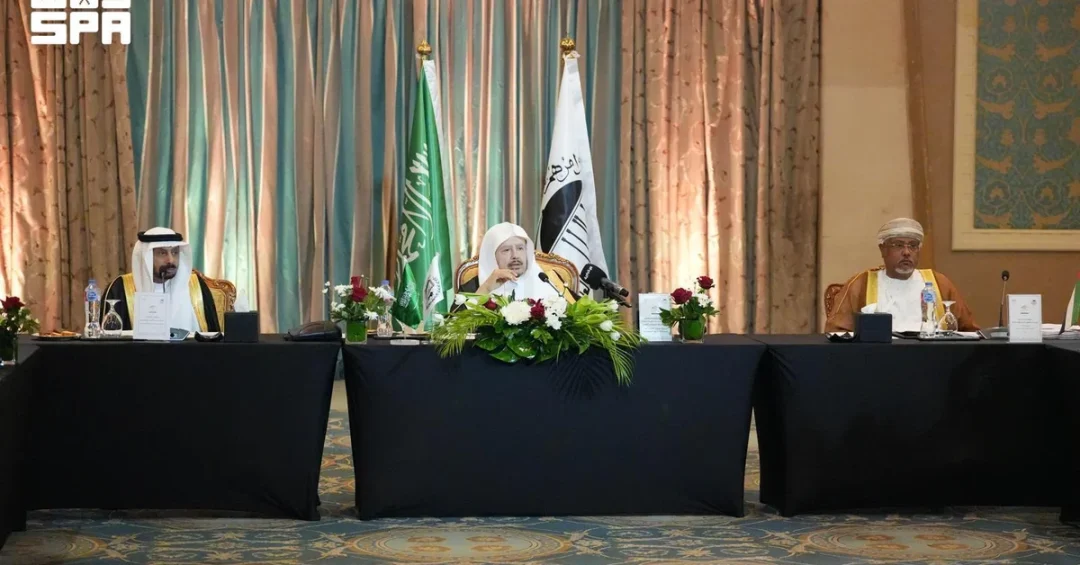
The 43rd session of the Executive Committee of the Arab Inter-Parliamentary Union (APU) convened in Cairo on September 20, 2026, chaired by Sheikh Dr. Abdullah bin Mohammed bin Ibrahim Al Al-Sheikh, Speaker of the Shura Council and President of the Arab Inter-Parliamentary Union. The meeting brought together representatives of Arab councils and parliaments that are members of the union to address pressing regional developments, with the agenda dominated by security threats and the Palestinian cause.
Context and Background
The Arab Inter-Parliamentary Union is a regional parliamentary organization that fosters cooperation among Arab legislative bodies and coordinates positions on political, economic, and social issues. Its Executive Committee meetings serve as a platform for Arab parliamentarians to discuss matters of common concern and formulate joint recommendations.
This 43rd session takes place amid heightened regional tensions, most notably a terrorist drone attack launched by the Houthi militia toward Makkah. The attack, which occurred in the days leading up to the session, has drawn widespread condemnation and raised concerns about the security of the region’s most sacred sites and critical infrastructure.
Key Details
During the session, Sheikh Dr. Abdullah Al Al-Sheikh strongly condemned the Houthi drone attack on Makkah, describing it as a heinous act that provoked the sentiments of Muslims worldwide. He stressed that the Arab Inter-Parliamentary Union unequivocally denounces the attack and called on all states to shoulder their responsibilities and firmly confront such terrorist acts.
Al Al-Sheikh also warned that targeting vital infrastructure, facilities, and interests, as well as energy sources, supply chains, corridors, and maritime navigation, would further aggravate the situation and its repercussions. He noted that the effects of such attacks are not confined to the region but extend to energy security, trade flows, global markets, and the world economy.
Regarding the Palestinian cause, Al Al-Sheikh reaffirmed that it remains a top priority for the union. He stressed the need to halt attacks against the Palestinian people, ensure the delivery of development assistance, and reject displacement and settlement. He reiterated support for the Palestinian people’s right to establish an independent state along the 1967 borders, with East Jerusalem as its capital, in accordance with international legitimacy resolutions and the Arab Peace Initiative. He emphasized the importance of realizing the two-state solution to achieve a just, comprehensive, and lasting peace.
Implications and Impact
The session’s outcomes carry significant implications for regional stability and international security. The APU’s condemnation of the Houthi attack underscores a unified Arab stance against terrorism and underscores the need for collective action.
Moreover, the focus on the Palestinian cause highlights the continued centrality of this issue in Arab politics. The call for a two-state solution aligns with longstanding international consensus and reflects the union’s commitment to a just and lasting peace.
The warning about infrastructure and maritime navigation emphasizes the potential global economic impact of regional instability. With key shipping lanes in the Red Sea and Gulf of Aden under threat, the preservation of freedom of navigation is critical for global energy supplies and trade.
Vision 2030 Alignment
Saudi Arabia’s leadership in the Arab Inter-Parliamentary Union reflects the Kingdom’s broader commitment to regional stability and international cooperation, which are essential pillars of Vision 2030. By promoting dialogue and joint action through such forums, the Kingdom contributes to a secure and prosperous region that enables sustainable development and economic diversification. The session’s outcomes reinforce Saudi Arabia’s role as a constructive force in addressing shared challenges and supporting peace initiatives.
20 Questions
Q1. What is the Arab Inter-Parliamentary Union?
A1. The Arab Inter-Parliamentary Union is a regional organization that brings together representatives from Arab councils and parliaments to foster cooperation and coordinate positions on political, economic, and social issues of common concern.
Q2. Who chaired the 43rd session of the APU Executive Committee?
A2. Sheikh Dr. Abdullah bin Mohammed bin Ibrahim Al Al-Sheikh, Speaker of the Shura Council and President of the Arab Inter-Parliamentary Union, chaired the session.
Q3. Where did the 43rd session take place?
A3. The 43rd session of the APU Executive Committee was held in Cairo, Egypt.
Q4. When did the 43rd session begin?
A4. The session began on September 20, 2026, according to the Saudi Press Agency.
Q5. What major incident did Sheikh Dr. Abdullah Al Al-Sheikh condemn during the session?
A5. He condemned the terrorist Houthi militia’s launch of a hostile drone toward Makkah, describing it as a heinous act that provoked the sentiments of Muslims worldwide.
Q6. How did the APU respond to the Houthi attack?
A6. The APU strongly denounced the attack and called on all states to shoulder their responsibilities and firmly confront such terrorist acts.
Q7. What did Sheikh Al Al-Sheikh warn against regarding infrastructure?
A7. He warned that targeting vital infrastructure, facilities, interests, energy sources, supply chains, corridors, and maritime navigation would further aggravate the situation and its repercussions.
Q8. According to Al Al-Sheikh, what are the broader effects of such attacks?
A8. He noted that the effects extend beyond the region to energy security, trade flows, global markets, and the world economy.
Q9. What did Sheikh Al Al-Sheikh say about the Palestinian cause?
A9. He reaffirmed that the Palestinian cause remains a top priority for the APU.
Q10. What specific actions did he call for regarding the Palestinian people?
A10. He stressed the need to halt attacks against the Palestinian people, ensure the delivery of development assistance, and reject displacement and settlement.
Q11. What solution did he advocate for the Palestinian issue?
A11. He reiterated support for the Palestinian people’s right to establish an independent state along the 1967 borders, with East Jerusalem as its capital, in accordance with international legitimacy resolutions and the Arab Peace Initiative.
Q12. What did he emphasize as necessary for achieving peace?
A12. He emphasized the importance of realizing the two-state solution to achieve a just, comprehensive, and lasting peace.
Q13. What is the significance of the APU’s condemnation of the Houthi attack?
A13. It underscores a unified Arab stance against terrorism and highlights the need for collective action to address security threats that affect the entire region.
Q14. How does the attack on Makkah affect Muslims globally?
A14. The attack on Makkah, the holiest site in Islam, deeply provokes the sentiments of Muslims around the world and is considered a grave affront to the entire Islamic community.
Q15. What role does the APU play in regional diplomacy?
A15. The APU serves as a platform for parliamentary dialogue, enabling Arab countries to coordinate policies, share perspectives, and present a unified front on key regional and international issues.
Q16. Why is the preservation of maritime navigation important?
A16. Maritime navigation is crucial for global trade and energy supplies; disruptions in key waterways like the Red Sea and Gulf of Aden can have far-reaching economic consequences worldwide.
Q17. What is the Arab Peace Initiative?
A17. The Arab Peace Initiative is a 2002 proposal by the Arab League that offers Israel normal relations with Arab states in exchange for withdrawal from occupied territories and a two-state solution.
Q18. How does Saudi Arabia’s leadership in the APU reflect its foreign policy?
A18. It demonstrates Saudi Arabia’s commitment to regional stability, dialogue, and cooperation, aligning with its Vision 2030 goals of fostering a secure and prosperous region.
Q19. What are the potential economic repercussions of attacks on energy sources?
A19. Attacks on energy sources can lead to price volatility, supply disruptions, and instability in global markets, affecting economies worldwide and undermining energy security.
Q20. What is the expected outcome of the 43rd session?
A20. The session aims to produce joint recommendations and a unified stance on regional issues, reinforcing Arab solidarity and contributing to efforts for peace and security.
Reader Feedback
We value your thoughts. Please share your feedback on this article.
Your feedback helps us improve our coverage.