


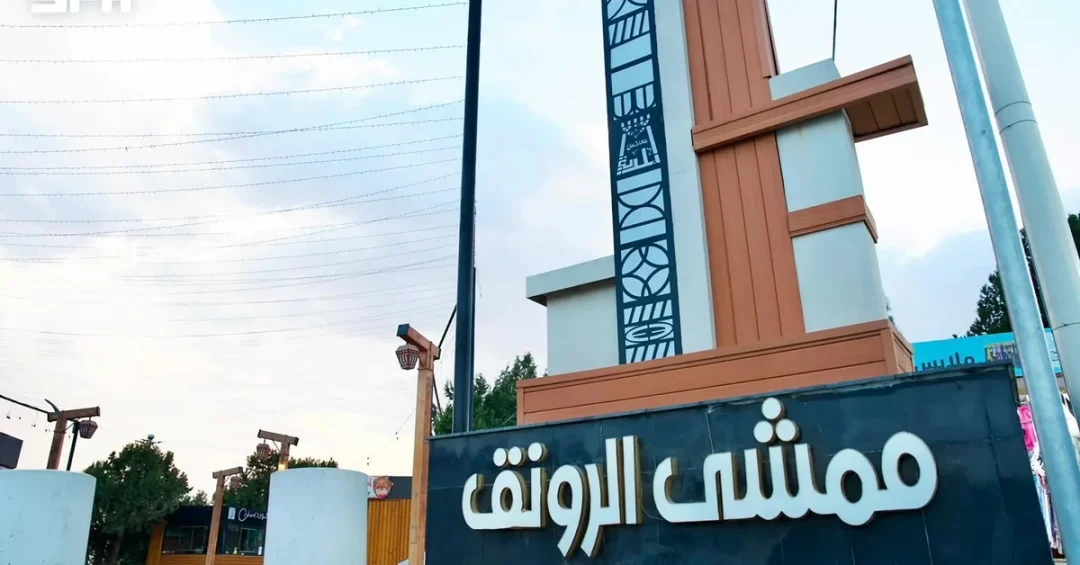
Al-Baha Municipality, represented by Bani Hasan Municipality, has implemented the “Al-Ronq walkway” project, a new public space that combines walking paths and investment kiosks to enhance quality of life for residents and visitors. The initiative, announced on September 20, 2026, via the Saudi Press Agency, forms part of the municipality’s ongoing efforts to improve the urban landscape, develop public facilities, and provide ideal environments for walking and shopping. The walkway extends 136 meters and features interlock-paved paths, decorative lighting columns, and investment kiosks offering a range of services.
Context and Background
Al-Baha is a region in southwestern Saudi Arabia known for its mountainous terrain, heritage villages, and pleasant climate. The Al-Ronq walkway project reflects a broader national trend of developing public spaces that integrate recreation, commerce, and cultural identity. This approach aligns with the Kingdom’s Vision 2030 goals of enhancing quality of life, promoting healthy lifestyles, and supporting local economies.
The municipality’s initiative is part of a systematic effort to upgrade urban infrastructure across the Kingdom, ensuring that public areas meet the aspirations of communities while preserving regional architectural character. By incorporating aesthetic elements inspired by Al-Baha’s heritage, the project strengthens the site’s identity and creates a welcoming destination for both residents and tourists.
Key Details
The Al-Ronq walkway spans 136 meters and is designed as a multi-purpose destination. It includes interlock-paved walking paths suitable for pedestrians, decorative lighting columns that enhance the evening ambiance, and investment kiosks that offer various services. These kiosks are intended to boost commercial activity and support local families and entrepreneurs by providing affordable retail opportunities.
The project’s design integrates the region’s architectural and heritage character, using aesthetic elements that reflect local traditions. This not only enhances the visual appeal of the area but also reinforces community pride and cultural continuity. The walkway serves as a community hub where people can exercise, socialize, and shop in a safe and attractive environment.
Implications and Impact
The Al-Ronq walkway is expected to have a positive impact on the local economy by attracting visitors and stimulating commercial activity. Small businesses and entrepreneurs will benefit from the kiosks, which offer a platform to sell goods and services. The project also promotes healthier lifestyles by encouraging walking and outdoor activities, contributing to the well-being of the community.
Furthermore, the walkway enhances the urban landscape of Bani Hasan, making it more attractive to tourists and investors. It demonstrates how strategic investments in public spaces can drive economic growth, foster social cohesion, and improve the overall quality of life. The project serves as a model for other municipalities across Saudi Arabia aiming to develop similar community-focused destinations.
Vision 2030 Alignment
The Al-Ronq walkway project aligns with Saudi Arabia’s Vision 2030, which seeks to enhance the quality of life for citizens and residents, diversify the economy, and promote sustainable urban development. By creating attractive public spaces that support local commerce and healthy living, the initiative contributes to the Vision’s objectives of building vibrant communities and fostering economic opportunities. It also reflects the Kingdom’s commitment to preserving cultural heritage while embracing modernization, ensuring that development benefits all segments of society.
20 Questions
Q1. What is the Al-Ronq walkway project?
A1. The Al-Ronq walkway is a new public space in Bani Hasan, Al-Baha, combining walking paths and investment kiosks to improve quality of life and support local commerce.
Q2. When was the project announced?
A2. The project was announced on September 20, 2026, through the Saudi Press Agency, as part of Al-Baha Municipality’s urban development efforts.
Q3. How long is the walkway?
A3. The walkway extends 136 meters, providing a dedicated space for pedestrians to walk, shop, and enjoy the outdoors.
Q4. What features does the walkway include?
A4. It features interlock-paved paths, decorative lighting columns, and investment kiosks offering various services to visitors and residents.
Q5. Who implemented the project?
A5. Al-Baha Municipality, represented by Bani Hasan Municipality, implemented the project as part of its ongoing urban improvement initiatives.
Q6. What is the purpose of the investment kiosks?
A6. The kiosks boost commercial activity, support local families and entrepreneurs, and provide convenient services to walkway visitors.
Q7. How does the project reflect local heritage?
A7. The design incorporates aesthetic elements inspired by the region’s architectural and heritage character, enhancing the site’s identity.
Q8. What are the expected economic benefits?
A8. The project is expected to stimulate local commerce, attract visitors, and provide economic opportunities for small businesses and entrepreneurs.
Q9. How does the walkway promote healthy living?
A9. By providing a safe and attractive environment for walking, the walkway encourages physical activity and healthier lifestyles among residents and visitors.
Q10. Is the walkway part of a larger initiative?
A10. Yes, it is part of Al-Baha Municipality’s broader efforts to improve urban landscapes, develop public facilities, and enhance community spaces.
Q11. What is the significance of the lighting columns?
A11. Decorative lighting columns enhance the walkway’s aesthetic appeal and ensure safety and visibility during evening hours.
Q12. Who will benefit from the project?
A12. Residents, visitors, local families, entrepreneurs, and the broader community will benefit from improved public spaces and economic opportunities.
Q13. How does the project align with Vision 2030?
A13. It supports Vision 2030 goals of enhancing quality of life, promoting healthy lifestyles, diversifying the economy, and fostering vibrant communities.
Q14. What materials are used in the walkway?
A14. The walkway features interlock-paved paths, which are durable and suitable for pedestrian use, along with decorative lighting and kiosks.
Q15. Will there be similar projects in other areas?
A15. The project serves as a model for other municipalities, and similar community-focused developments may be implemented across the Kingdom.
Q16. How does the walkway enhance tourism?
A16. By creating an attractive destination that blends heritage and modernity, the walkway can draw tourists to Al-Baha and support the local tourism sector.
Q17. What role do local entrepreneurs play?
A17. Local entrepreneurs can operate kiosks, offering goods and services, which stimulates the local economy and fosters entrepreneurship.
Q18. Is the project environmentally sustainable?
A18. The project promotes sustainable urban development by encouraging walking, reducing reliance on vehicles, and enhancing public spaces.
Q19. How does the project improve urban landscape?
A19. It adds aesthetic value through heritage-inspired design, decorative lighting, and well-maintained paths, complementing the governorate’s character.
Q20. What is the overall goal of the Al-Ronq walkway?
A20. The goal is to provide an ideal environment for walking and shopping, meet community aspirations, and contribute to Saudi Arabia’s Vision 2030 objectives.
Reader Feedback
We value your thoughts. Please share your feedback on this article.
Your feedback helps us improve our coverage.