


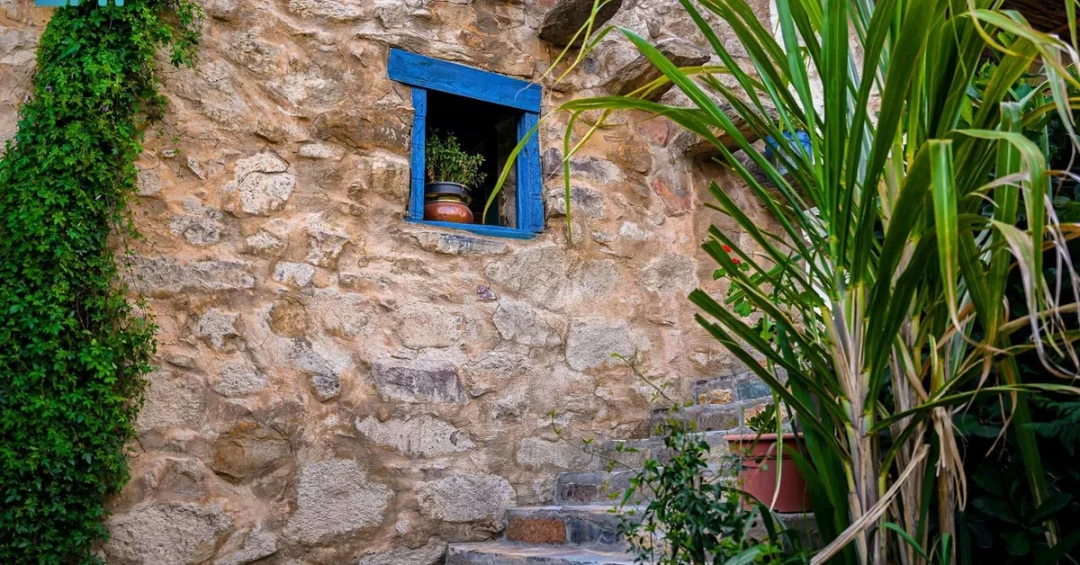
Al-Baha Region, located in the southwest of Saudi Arabia, is home to historic villages that boast a rich legacy of ancient architecture, where heritage inns offer visitors a unique gateway to traditional life. These inns, restored from old houses, castles, and forts, provide an immersive experience of the region’s past for tourists from across the Kingdom, the Gulf, and beyond. According to the Saudi Press Agency (SPA), these structures were built not just for aesthetic appeal but to blend seamlessly with the environment and suit local customs, reflecting a sustainable approach that resonates with modern travelers.
Context and Background
The Al-Baha Region has long been recognized for its architectural heritage, with buildings constructed from local materials such as granite, basalt rocks, and juniper trees. These materials, readily available in the region, form the foundation and roofing of many structures, often adorned with decorative quartz stones. This reliance on local resources not only ensured durability but also maintained a traditional aesthetic that harmonizes with the natural surroundings. The heritage inns are a testament to the region’s commitment to preserving its cultural identity while adapting to contemporary tourism demands.
In recent years, Saudi Arabia has seen a surge in domestic and international tourism, driven in part by Vision 2030’s goal to diversify the economy and promote cultural heritage. The Al-Baha heritage inns cater to this growing interest, offering a taste of traditional ways of life that appeal to visitors seeking authentic experiences. As the Kingdom opens up to the world, such initiatives play a crucial role in showcasing Saudi Arabia’s rich history and hospitality.
Key Details
One notable example is the heritage inn owned by Sharifa Al-Ghamdi, who has dedicated years to collecting pieces of the region’s past. Her passion for preserving heritage led her to transform dilapidated old houses in her village into a thriving tourist destination. With the support of her family, she fulfilled a lifelong dream and created a space that celebrates tranquility and raises environmental consciousness. Her endeavor exemplifies how investment in heritage can lead to a sustainable future for the region.
The inns feature traditional decor and furnishings, often sourced from local artisans, providing guests with an authentic glimpse into Al-Baha’s cultural heritage. Visitors can enjoy local cuisine, participate in traditional crafts, and learn about the region’s history from knowledgeable hosts. The inns also serve as platforms for community engagement, generating income for local families and encouraging the preservation of age-old skills.
Implications and Impact
The success of heritage inns in Al-Baha has implications beyond tourism. They contribute to job creation, support local economies, and foster a sense of pride among residents. By attracting visitors from diverse backgrounds, these inns promote cultural exchange and understanding, aligning with Saudi Arabia’s efforts to build bridges with the international community. Moreover, they demonstrate how sustainable tourism can be a driving force for rural development, offering a model that could be replicated in other regions of the Kingdom.
From a global perspective, the heritage inns position Saudi Arabia as a destination that values its past while embracing the future. They offer a counter-narrative to the stereotype of the Kingdom as solely reliant on oil, highlighting instead its cultural richness and environmental stewardship. As international travelers increasingly seek authentic experiences, Al-Baha’s heritage inns are well-positioned to capture this demand.
Vision 2030 Alignment
The development of heritage inns in Al-Baha aligns closely with Saudi Vision 2030, which aims to diversify the economy, preserve cultural heritage, and enhance the quality of life for citizens and visitors alike. By investing in heritage tourism, the Kingdom not only creates economic opportunities but also safeguards its cultural legacy for future generations. As part of the broader strategy to attract 100 million visitors annually by 2030, initiatives like these are vital. They showcase Saudi Arabia’s commitment to sustainable development and its determination to share its rich heritage with the world.
20 Questions
Q1. What is the Al-Baha Region known for?
A1. The Al-Baha Region is known for its historic villages and ancient architecture, including heritage inns that offer visitors a glimpse into traditional life. These structures are built from local materials and reflect the region’s cultural heritage.
Q2. What materials are used in Al-Baha’s heritage inns?
A2. Heritage inns in Al-Baha are constructed using local materials such as granite, basalt rocks, and juniper trees, often adorned with decorative quartz stones. This reliance on local resources ensures sustainability and maintains a traditional aesthetic.
Q3. Who is Sharifa Al-Ghamdi?
A3. Sharifa Al-Ghamdi is the owner of a heritage inn in Al-Baha. She has dedicated years to collecting pieces of the region’s past and transformed dilapidated old houses into a thriving tourist destination with her family’s support.
Q4. What is the significance of heritage inns in Al-Baha?
A4. Heritage inns in Al-Baha provide tourists with an authentic experience of traditional life. They showcase the region’s architectural legacy, support local communities, and contribute to sustainable tourism development in line with Saudi Vision 2030.
Q5. How do heritage inns contribute to sustainable tourism?
A5. Heritage inns contribute to sustainable tourism by utilizing local materials, preserving historic structures, and generating income for local families. They promote environmental consciousness and ensure that cultural heritage is maintained for future generations.
Q6. What types of tourists visit Al-Baha’s heritage inns?
A6. Al-Baha’s heritage inns attract tourists from across the Kingdom, the Gulf, and beyond. They appeal to visitors seeking authentic cultural experiences and a connection with traditional ways of life in Saudi Arabia.
Q7. How does Al-Baha’s architecture blend with the environment?
A7. Al-Baha’s architecture blends with the environment by using locally sourced materials like granite and basalt, which are naturally suited to the region. The designs also respect local customs and are aesthetically pleasing while being functional.
Q8. What role does family support play in heritage inns?
A8. Family support is crucial in establishing and running heritage inns. In Sharifa Al-Ghamdi’s case, her family helped her transform old houses into a tourist destination, fulfilling her lifelong dream and contributing to the community.
Q9. How do heritage inns raise environmental consciousness?
A9. Heritage inns raise environmental consciousness by demonstrating sustainable practices such as using local materials and preserving natural surroundings. They encourage visitors to appreciate and protect the environment.
Q10. What economic benefits do heritage inns bring to Al-Baha?
A10. Heritage inns create jobs, support local artisans, and attract tourism spending, thereby boosting the local economy. They also encourage investment in heritage preservation and infrastructure development.
Q11. How does Al-Baha’s heritage tourism align with Vision 2030?
A11. Al-Baha’s heritage tourism aligns with Vision 2030 by diversifying the economy, preserving cultural heritage, and enhancing quality of life. It contributes to the goal of attracting 100 million visitors annually by 2030.
Q12. What can visitors experience at Al-Baha’s heritage inns?
A12. Visitors can experience traditional decor, local cuisine, and cultural activities. They can learn about the region’s history, participate in crafts, and enjoy the tranquility of ancient villages.
Q13. How are heritage inns preserving Saudi culture?
A13. Heritage inns preserve Saudi culture by restoring historic buildings and showcasing traditional architecture, customs, and crafts. They serve as living museums that educate visitors about the Kingdom’s rich heritage.
Q14. What is the historical significance of Al-Baha’s architecture?
A14. Al-Baha’s architecture reflects centuries of history, with structures built to suit the local climate and customs. The heritage inns are part of this legacy, offering insights into traditional building techniques and lifestyles.
Q15. How do heritage inns promote cultural exchange?
A15. Heritage inns promote cultural exchange by welcoming visitors from diverse backgrounds. They facilitate interactions between guests and local hosts, fostering mutual understanding and appreciation of Saudi culture.
Q16. What challenges do heritage inns face?
A16. Challenges include maintaining historic structures, attracting consistent visitors, and balancing modernization with preservation. However, with government support and growing tourism, these challenges are being addressed.
Q17. How can other regions replicate Al-Baha’s success?
A17. Other regions can replicate Al-Baha’s success by investing in heritage restoration, involving local communities, and promoting sustainable tourism. Government support and alignment with Vision 2030 are key factors.
Q18. What is the Saudi Press Agency’s role in reporting on Al-Baha?
A18. The Saudi Press Agency (SPA) reports on Al-Baha’s heritage inns, highlighting their cultural and economic significance. It serves as an official source of information, showcasing the Kingdom’s tourism and heritage initiatives.
Q19. How do heritage inns contribute to rural development?
A19. Heritage inns contribute to rural development by creating jobs, supporting local businesses, and improving infrastructure. They stimulate economic growth in rural areas and help stem migration to cities.
Q20. What future plans exist for Al-Baha’s heritage tourism?
A20. Future plans include expanding heritage inn offerings, enhancing visitor experiences, and increasing international promotion. These efforts align with Vision 2030’s tourism goals and aim to position Al-Baha as a premier cultural destination.
Reader Feedback
We value your thoughts. Please share your feedback on this article.
Your feedback helps us improve our coverage.
Related articles
 AlUla Academy Launches Tourism Vocational Training
 Indonesian Pilgrims Depart for Saudi Arabia Under Makkah Route Initiative
 Makkah Route Initiative’s First Indonesian Flight Arrives in Madinah
 Madinah Airport Welcomes First Batch of Iranian Pilgrims
 Saudia Partners with AlUla FM to Enhance Inflight Entertainment
 Najran’s Al-Aan Palace: A Restored Historical Gem