


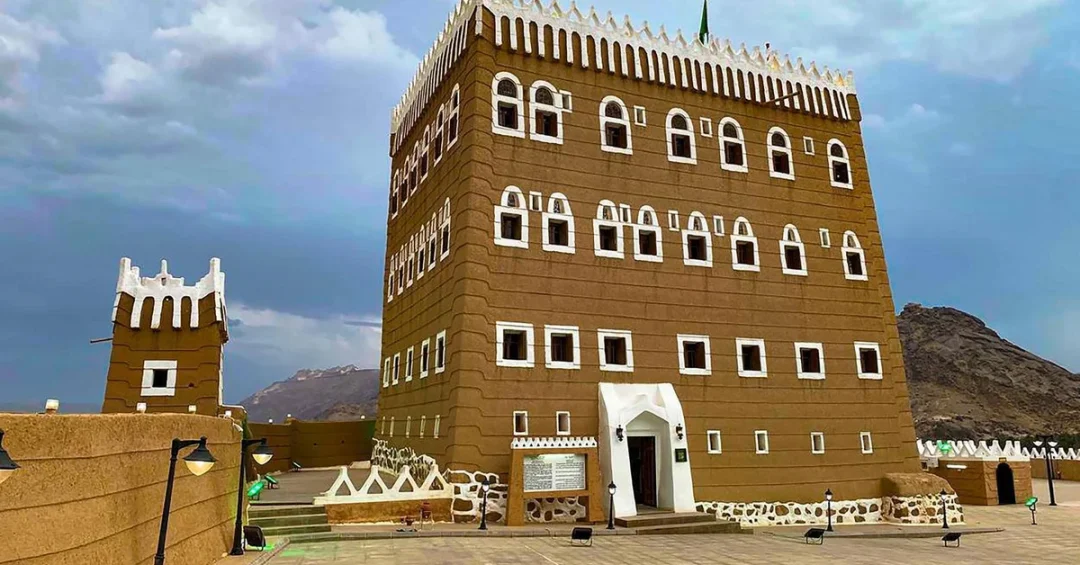
Al-Aan Heritage Palace in Najran, a four-story mudbrick structure dating back to 1100 AH, has been meticulously restored and now welcomes visitors seeking to explore Saudi Arabia’s deep architectural heritage. Perched atop Mount Al-Aan, the palace offers panoramic views of lush palm plantations, traditional villages, the historic Raum Castle, and Mount Abu Hamdan. According to the Saudi Press Agency (SPA), this captivating landmark has become a premier destination for tourists and history enthusiasts alike, showcasing the Kingdom’s commitment to preserving its cultural legacy.
Context and Background
Najran, located in southwestern Saudi Arabia, is renowned for its rich history and distinctive architectural traditions. Al-Aan Palace, built in 1100 AH (approximately 1688 CE), stands as a testament to the ingenuity of Najrani communities. Constructed using traditional mudbrick techniques, the palace reflects the region’s architectural identity, with ceilings crafted from wood, palm trunks and fronds, and tamarisk and jujube trees, also known as sidr. Its strategic location atop Mount Al-Aan provided both defensive advantages and breathtaking vistas.
The palace’s design includes circular and rectangular towers that underscore the strategic considerations of its builders. Over the years, Al-Aan Palace fell into disrepair, but recent restoration efforts have revived its grandeur. This initiative aligns with Saudi Arabia’s broader Vision 2030 goals to preserve cultural heritage and promote tourism, as reported by official Saudi sources.
Key Details
The restoration of Al-Aan Palace was carried out with meticulous attention to traditional methods, ensuring authenticity while enhancing visitor facilities. The project breathed new life into the historical landmark, cementing its status as a must-visit destination in Najran. Visitors ascending to the palace are treated to a tapestry of verdant palm plantations, quaint heritage villages, and the imposing silhouette of Mount Abu Hamdan. The blend of ancient and modern architectural styles creates an unforgettable scene.
Al-Aan Palace is not merely a relic; it is a living museum that offers immersive experiences. Its four-story structure provides a glimpse into the past, allowing visitors to connect with the soul of Najran. The palace’s panoramic views and restored interiors make it a magnet for photographers, historians, and families alike.
Implications and Impact
The restoration and promotion of Al-Aan Palace have significant implications for Saudi Arabia’s tourism sector. As the Kingdom opens up to international visitors under Vision 2030, heritage sites like this play a crucial role in diversifying attractions beyond religious tourism. The palace attracts domestic and international tourists, contributing to local economies and creating jobs. Moreover, it fosters cultural exchange, allowing visitors to appreciate Saudi Arabia’s rich history and traditions.
Regionally, Al-Aan Palace strengthens Najran’s position as a heritage hub, complementing other attractions such as the historic Raum Castle and the region’s archaeological sites. This aligns with the Saudi Tourism Authority’s efforts to showcase the Kingdom’s diverse offerings. Internationally, the palace serves as a symbol of Saudi Arabia’s commitment to preserving its cultural identity while embracing modernization.
Vision 2030 Alignment
Al-Aan Palace’s restoration and promotion exemplify Saudi Vision 2030’s cultural and tourism objectives. By preserving historical landmarks and enhancing visitor experiences, the Kingdom demonstrates its dedication to safeguarding heritage while fostering economic growth. This project supports the National Tourism Strategy, aiming to increase tourism’s contribution to GDP and create employment opportunities. As Saudi Arabia continues to open its doors to the world, sites like Al-Aan Palace will play a pivotal role in showcasing the Kingdom’s unique blend of tradition and progress, contributing to a vibrant and sustainable future.
20 Questions
Q1. What is Al-Aan Heritage Palace?
A1. Al-Aan Heritage Palace is a historic four-story mudbrick structure located atop Mount Al-Aan in Najran, Saudi Arabia. Dating back to 1100 AH, it showcases traditional Najrani architecture and offers panoramic views of the surrounding landscape, making it a prominent tourist destination.
Q2. Where is Al-Aan Palace located?
A2. Al-Aan Palace is situated in Najran, a city in southwestern Saudi Arabia. It stands atop Mount Al-Aan, providing stunning vistas of palm plantations, heritage villages, Raum Castle, and Mount Abu Hamdan. Its elevated position offers both strategic advantages and breathtaking scenery.
Q3. When was Al-Aan Palace built?
A3. The palace dates back to 1100 AH, which corresponds to approximately 1688 CE. This historical timeline places it within the era of traditional Najrani architectural development, reflecting the region’s cultural heritage and building techniques passed down through generations.
Q4. What materials were used in constructing Al-Aan Palace?
A4. The palace was built using traditional mudbrick techniques. Its ceilings incorporate wood, palm trunks and fronds, and tamarisk and jujube trees, also known as sidr. These materials echo the region’s natural resources and demonstrate sustainable building practices.
Q5. What architectural features distinguish Al-Aan Palace?
A5. The palace features a four-story structure with circular and rectangular towers for defense. Its design reflects the architectural identity of Najrani communities, blending functionality with aesthetic appeal. The use of local materials and intricate woodwork adds to its distinctive character.
Q6. Why was Al-Aan Palace restored?
A6. The restoration aimed to preserve the historical landmark and revive its grandeur. It aligns with Saudi Arabia’s Vision 2030 goals to protect cultural heritage and promote tourism. The meticulous process ensured authenticity while enhancing visitor facilities, making it a premier destination.
Q7. What can visitors see from Al-Aan Palace?
A7. Visitors can enjoy panoramic views of verdant palm plantations, quaint heritage villages, the historic Raum Castle, and Mount Abu Hamdan. This captivating blend of ancient and modern architecture creates an unforgettable scene that connects visitors with Najran’s soul.
Q8. How does Al-Aan Palace contribute to Saudi tourism?
A8. The palace attracts domestic and international tourists, diversifying Saudi Arabia’s tourism offerings beyond religious sites. It contributes to local economies, creates jobs, and fosters cultural exchange. This supports the National Tourism Strategy under Vision 2030.
Q9. What is the significance of Al-Aan Palace’s location?
A9. Its location atop Mount Al-Aan provided strategic defense historically. Today, it offers breathtaking views and serves as a cultural beacon. The elevated position allows visitors to appreciate the region’s natural beauty and historical context, enhancing the overall experience.
Q10. What is Raum Castle, mentioned in relation to Al-Aan Palace?
A10. Raum Castle is a historic fortress visible from Al-Aan Palace. It is part of Najran’s rich heritage and adds to the panoramic vista. Together, these landmarks showcase the region’s historical significance and architectural diversity, attracting history enthusiasts.
Q11. How does Al-Aan Palace reflect Najrani culture?
A11. The palace embodies Najrani architectural identity through its mudbrick construction, wooden ceilings, and strategic towers. It offers a glimpse into the past, showcasing traditional building methods and community life. This cultural preservation is vital for maintaining Saudi heritage.
Q12. What role does Al-Aan Palace play in Vision 2030?
A12. It supports Vision 2030 by preserving cultural heritage and boosting tourism. The restoration aligns with goals to diversify the economy and promote Saudi Arabia as a destination. It exemplifies how historical sites can contribute to modern national development.
Q13. Are there guided tours available at Al-Aan Palace?
A13. While specific details are not provided, the restoration likely includes visitor facilities. The Saudi Press Agency reports it as a premier tourist destination. Visitors can explore the palace and enjoy its historical and architectural significance independently or through organized tours.
Q14. What is the best time to visit Al-Aan Palace?
A14. The best time to visit is during the cooler months from October to March, when Najran’s climate is pleasant. Visitors can enjoy the panoramic views and explore the palace comfortably. It is advisable to check local guidelines for opening hours.
Q15. How accessible is Al-Aan Palace for tourists?
A15. The palace is accessible via roads leading to Mount Al-Aan. As a restored heritage site, it welcomes visitors. Travelers can reach Najran by air or road, and local transportation options are available. It is recommended to plan ahead.
Q16. What other attractions are near Al-Aan Palace?
A16. Nearby attractions include the historic Raum Castle, heritage villages, and palm plantations. Najran also offers other archaeological sites and traditional markets. Visitors can explore the region’s rich history and natural beauty, making it a comprehensive cultural trip.
Q17. How does Al-Aan Palace contribute to local economy?
A17. By attracting tourists, the palace stimulates local businesses such as hotels, restaurants, and handicraft shops. It creates employment opportunities for residents. This economic boost aligns with Vision 2030’s aim to diversify income sources and develop rural areas.
Q18. What restoration techniques were used for Al-Aan Palace?
A18. Restoration employed traditional methods to maintain authenticity, using local materials like mudbrick and wood. Experts carefully repaired structures while preserving original features. This approach ensures the palace retains its historical integrity and cultural value for future generations.
Q19. Is photography allowed at Al-Aan Palace?
A19. Generally, photography is allowed at heritage sites in Saudi Arabia for personal use. Visitors are encouraged to capture the stunning views and architecture. However, it is advisable to respect any posted signs or guidelines to preserve the site’s dignity.
Q20. How does Al-Aan Palace promote cultural exchange?
A20. By welcoming international visitors, the palace fosters understanding of Saudi heritage. It serves as a platform for cultural dialogue, showcasing traditional architecture and lifestyle. This exchange enriches visitors’ experiences and strengthens Saudi Arabia’s global cultural connections.
Reader Feedback
We value your thoughts. Please share your feedback on this article.
Your feedback helps us improve our coverage.
Related articles
 Jeddah Historic District, Cruise Saudi Sign MoU
 Abha Blooms: Spring Rains Enhance Jacaranda Beauty
 Madinah Governor Inspects Hajj Visitor Center
 Makkah Deputy Governor: No Hajj Without Permit, Strict Enforcement
 Northern Borders: A Botanical Treasure Trove Boosts Ecotourism
 AlShallal Theme Park in Al-Baha: Adventure Meets Nature