


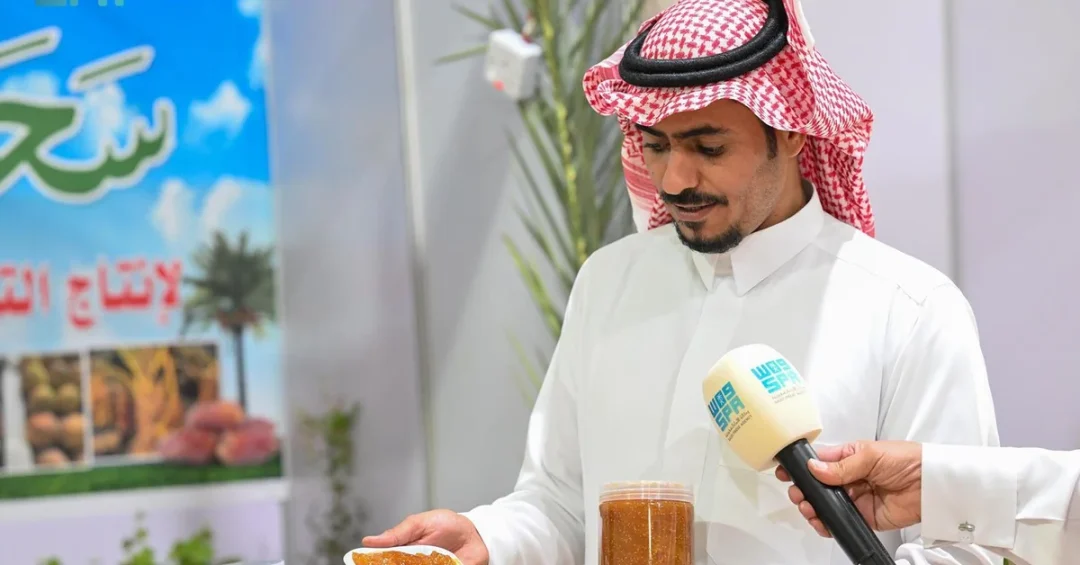
The second annual Agricultural Products Festival in Tayma Governorate, organized by the Ministry of Environment, Water, and Agriculture branch in the Tabuk region, has drawn a large number of farmers and producers showcasing their fruits, vegetables, and processed products, according to the Saudi Press Agency (SPA). The event, held in August 2024, features 30 exhibitors from the local community and highlights the growing role of processed agricultural industries in the region.
Context and Background
Tayma, a historic governorate in northwestern Saudi Arabia, has long been known for its agricultural heritage. The festival, now in its second year, reflects the Ministry of Environment, Water, and Agriculture’s ongoing efforts to support local farmers and diversify rural economies. By providing a platform for exhibitors to display processed goods such as jams, dried fruits, and other value-added products, the event aligns with the Kingdom’s broader goals of enhancing food security and promoting sustainable agriculture under Vision 2030.
The festival also serves as a testament to the region’s agricultural potential. Preliminary research on Tayma’s environment has revealed its suitability for growing a variety of fruits, particularly figs, which are increasingly being transformed into processed products with scientific backing for their health and nutritional benefits.
Key Details
Among the exhibitors, farmer Saud Al-Eid shared his experience producing jams and dried figs from his farm, which includes dozens of fig trees. In remarks to the Saudi Press Agency, Al-Eid explained that his goal was to test a new agricultural product, noting that preliminary research on Tayma’s agricultural environment confirmed the northern governorate’s suitability for fruit cultivation. He expressed hope that his produce would reach every home in the future due to its scientifically proven health and nutritional benefits. Al-Eid also highlighted the support from the Ministry of Environment, Water, and Agriculture in the Tabuk region, which has been instrumental in enabling local farmers to innovate and expand their operations.
Agriculture in Saudi Arabia is a key pillar of the economy, contributing to rural development and employment. The Ministry of Environment, Water, and Agriculture has been actively promoting modern farming techniques, water conservation, and the cultivation of high-value crops. Festivals like the one in Tayma provide farmers with direct access to consumers, helping them build brand recognition and market linkages. The processed products on display, ranging from fruit preserves to dried goods, demonstrate how local producers are moving up the value chain, potentially increasing their incomes and reducing post-harvest losses.
International Impact
The Tayma Agricultural Products Festival is part of a wider trend in Saudi Arabia to boost domestic agricultural output and reduce reliance on imports. By showcasing processed goods, the event signals the Kingdom’s ambition to become more self-sufficient in food production and to export premium Saudi agricultural products. This aligns with global interest in sustainable food systems and opens opportunities for international partnerships in agri-tech, processing, and distribution. Furthermore, the festival raises awareness of Saudi Arabia’s agricultural diversity, challenging the perception that the Kingdom is solely dependent on oil. It also supports the objectives of the National Agriculture Strategy, which aims to achieve food security, environmental sustainability, and economic growth.
Vision 2030 Alignment
The Tayma Agricultural Products Festival directly supports Saudi Vision 2030’s goals of economic diversification, food security, and sustainable development. By empowering local farmers and promoting processed agricultural industries, the event contributes to creating a vibrant rural economy and enhancing the Kingdom’s self-reliance. As Saudi Arabia continues to invest in agriculture and agri-processing, initiatives like this festival will play a crucial role in showcasing the nation’s progress and its commitment to a prosperous future for all citizens. The Ministry of Environment, Water, and Agriculture remains dedicated to fostering innovation and supporting farmers in line with the visionary leadership of the Kingdom.
This article is based on information released via the Saudi Press Agency (SPA), an official Saudi news authority.
20 Questions
Q1. What is the main event discussed in the article?
A1. The article discusses the second annual Agricultural Products Festival in Tayma Governorate, organized by the Ministry of Environment, Water, and Agriculture branch in the Tabuk region, featuring 30 exhibitors showcasing fruits, vegetables, and processed products.
Q2. When did the festival take place?
A2. The festival took place in August 2024, as reported by the Saudi Press Agency on August 23, 2024.
Q3. Who organized the festival?
A3. The festival was organized by the Ministry of Environment, Water, and Agriculture branch in the Tabuk region.
Q4. How many exhibitors participated in the festival?
A4. There were 30 exhibitors from the local community participating in the festival.
Q5. What types of products were on display at the festival?
A5. The festival displayed a variety of fruits, vegetables, and processed products such as jams and dried figs.
Q6. Who is Saud Al-Eid and what did he showcase?
A6. Saud Al-Eid is a farmer who showcased his experience in producing jams and dried figs from his farm, which includes dozens of fig trees.
Q7. What was Saud Al-Eid’s goal in producing these products?
A7. His goal was to test a new agricultural product and explore the suitability of Tayma’s environment for growing fruits, particularly figs.
Q8. What did preliminary research reveal about Tayma’s agricultural environment?
A8. Preliminary research revealed that Tayma’s northern governorate is suitable for growing a variety of fruits, especially figs.
Q9. What health benefits did Saud Al-Eid mention about his products?
A9. He mentioned that his products have scientifically proven health and nutritional benefits.
Q10. How did the Ministry of Environment, Water, and Agriculture support farmers like Saud Al-Eid?
A10. The ministry provided support to farmers in the Tabuk region, enabling them to innovate and expand their agricultural operations.
Q11. What is the significance of the festival for the local community?
A11. The festival provides a platform for local farmers and producers to showcase their products, access consumers, and build market linkages, contributing to rural economic development.
Q12. How does the festival align with Saudi Vision 2030?
A12. It aligns with Vision 2030 by promoting economic diversification, food security, and sustainable development through support for local agriculture and processed industries.
Q13. What are processed agricultural products?
A13. Processed agricultural products are value-added goods made from raw agricultural produce, such as jams, dried fruits, and preserves, which extend shelf life and increase market value.
Q14. Why is the cultivation of figs important in Tayma?
A14. Figs are well-suited to Tayma’s environment, and their cultivation supports agricultural diversity and the production of processed goods with health benefits.
Q15. What role does the Saudi Press Agency play in reporting such events?
A15. The Saudi Press Agency is the official news agency of Saudi Arabia, providing accurate and timely coverage of national events and developments.
Q16. How does the festival contribute to food security in Saudi Arabia?
A16. By promoting local production and processed goods, the festival helps reduce reliance on imports and enhances domestic food availability.
Q17. What opportunities does the festival create for international partnerships?
A17. It opens opportunities in agri-tech, processing, and distribution, as international stakeholders seek sustainable food systems and premium Saudi products.
Q18. What is the National Agriculture Strategy?
A18. The National Agriculture Strategy is a Saudi initiative aimed at achieving food security, environmental sustainability, and economic growth in the agricultural sector.
Q19. How many fig trees does Saud Al-Eid’s farm have?
A19. Saud Al-Eid’s farm includes dozens of fig trees, which he uses to produce jams and dried figs.
Q20. What is the future outlook for Tayma’s agricultural products?
A20. With ongoing support and innovation, Tayma’s agricultural products, especially processed goods, are expected to reach broader markets and contribute to the Kingdom’s food security goals.
Reader Feedback
We value your thoughts. Please share your feedback on this article.
Your feedback helps us improve our coverage.