


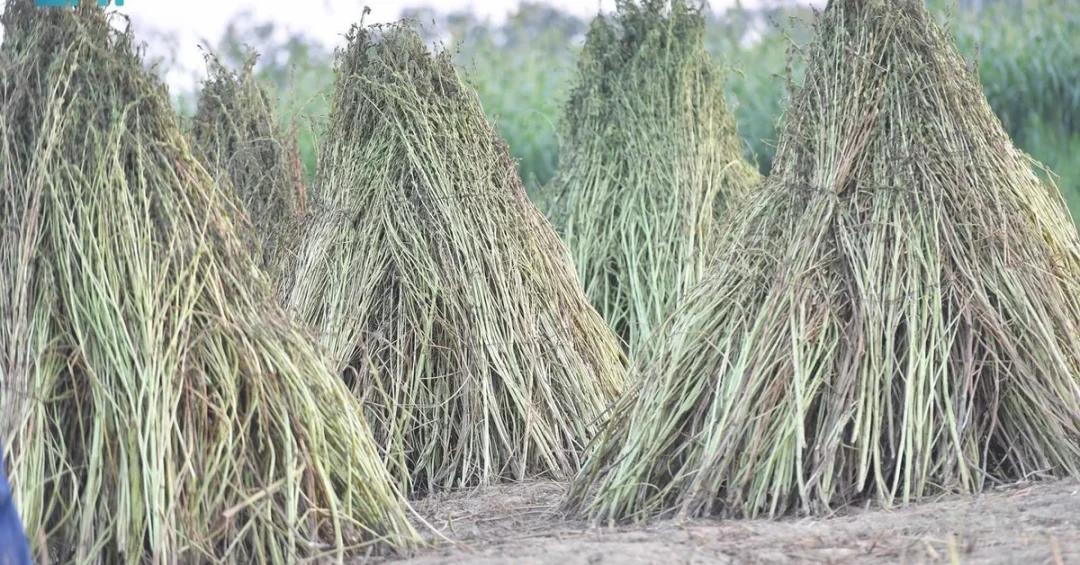
The agricultural sector in Jazan, a southwestern region of Saudi Arabia, is a vital economic and social pillar, leveraging unique natural resources such as fertile soil and abundant water to cultivate a wide range of crops efficiently and at minimal cost, according to the Saudi Press Agency (SPA). Among its flourishing crops, sesame stands out as a living symbol of the region’s rich agricultural heritage, a “golden plant” that has connected people to the soil since ancient times. Cultivated across approximately 6,400 hectares, sesame’s 90-to-120-day cultivation cycle begins with traditional planting methods and culminates in a picturesque, meter-high plant, with harvest marked by collective effort and tradition.
Context and Background
Jazan serves as a distinctive model that blends traditional agriculture with modern technologies, a balance that has enabled the region to maximize its agricultural output while preserving its cultural identity. The region’s agricultural sector is a cornerstone of the local economy, providing livelihoods for thousands of families and contributing to Saudi Arabia’s broader goal of food security and rural development, as outlined in Vision 2030.
Key Details
Jazan’s annual sesame production exceeds 6,422,000 kilograms, underscoring the significant economic importance of this heritage crop. The harvest process is characterized by collective effort and tradition, with locals gathering to separate, clean, and pack the seeds. This communal activity not only ensures efficiency but also strengthens social bonds and passes down cultural knowledge to younger generations.
Implications and Impact
On a regional and international level, Jazan’s sesame production contributes to Saudi Arabia’s agricultural self-sufficiency and export potential. The crop’s resilience and low water requirements align with the Kingdom’s sustainable agricultural practices, showcasing how traditional farming can coexist with modern innovation. This model offers a blueprint for other regions in the Kingdom and beyond, demonstrating the viability of heritage crops in contemporary agriculture.
Vision 2030 Alignment
More than just a crop, sesame remains the “white gold of the land,” a story of generosity and authenticity passed down through generations. By investing in such heritage crops and modernizing agricultural practices, the Kingdom of Saudi Arabia is strengthening its food security, supporting rural communities, and preserving cultural traditions. This commitment underscores the nation’s dedication to Vision 2030’s goal of building a sustainable, diversified economy that values both its people and its land, ensuring a prosperous future for all.
20 Questions
Q1. What is the primary source of information for this article?
A1. The primary source is the Saudi Press Agency (SPA), the official news agency of the Kingdom of Saudi Arabia, which reported these details about Jazan’s sesame cultivation.
Q2. Where is Jazan located?
A2. Jazan is a region in the southwestern part of Saudi Arabia, known for its fertile soil and abundant water resources that support diverse agricultural activities.
Q3. Why is sesame significant in Jazan?
A3. Sesame is significant because it is a “golden plant” with deep historical roots, representing the region’s agricultural heritage and serving as a vital economic crop.
Q4. How many hectares are used for sesame cultivation in Jazan?
A4. Approximately 6,400 hectares are dedicated to sesame cultivation, showcasing the scale of this traditional crop in the region.
Q5. What is the cultivation cycle duration for sesame?
A5. The sesame cultivation cycle lasts from 90 to 120 days, beginning with traditional planting methods and ending with harvest.
Q6. How is the sesame harvest conducted?
A6. The harvest is conducted through collective effort, with locals gathering to separate, clean, and pack the seeds, reflecting a strong community tradition.
Q7. What is Jazan’s annual sesame production?
A7. Jazan produces over 6,422,000 kilograms of sesame annually, highlighting its economic importance.
Q8. How does Jazan blend traditional agriculture with modern technologies?
A8. Jazan blends traditional methods, such as planting and community harvesting, with modern technologies like improved irrigation and farming techniques, creating a unique agricultural model.
Q9. What natural resources support agriculture in Jazan?
A9. Jazan benefits from fertile soil and abundant water resources, which enable efficient cultivation of various crops at minimal cost.
Q10. What role does sesame play in the local economy?
A10. Sesame is a vital economic pillar, providing income and employment for local farmers and contributing to the region’s overall economic stability.
Q11. How does sesame cultivation align with Vision 2030?
A11. Sesame cultivation supports food security, sustainable agriculture, and rural development, all key goals of Saudi Arabia’s Vision 2030.
Q12. What is the cultural significance of sesame in Jazan?
A12. Sesame represents a story of generosity and authenticity, passed down through generations, symbolizing the deep connection between the people and the land.
Q13. Why is sesame referred to as “white gold”?
A13. Sesame is called “white gold” due to its high economic value and its golden color, reflecting its importance as a precious agricultural product.
Q14. Are there any specific planting methods used for sesame?
A14. Yes, traditional planting methods are used, which have been preserved over time, ensuring the crop’s authenticity and sustainability.
Q15. What is the height of a mature sesame plant?
A15. A mature sesame plant reaches about one meter in height, making it a picturesque sight during the growing season.
Q16. Does sesame require extensive water resources?
A16. No, sesame is a relatively drought-tolerant crop, requiring less water compared to other crops, which is beneficial in arid regions like Jazan.
Q17. How does sesame cultivation benefit the community?
A17. Sesame cultivation fosters social cohesion through collective harvesting and provides economic opportunities, contributing to community well-being.
Q18. What future prospects exist for sesame in Jazan?
A18. With growing demand for sesame in global markets and support from Saudi agricultural policies, the future looks promising for expanding production and exports.
Q19. What role does the Saudi government play in supporting sesame farming?
A19. The Saudi government, through initiatives like Vision 2030 and agricultural programs, supports sesame farming by providing subsidies, research, and infrastructure.
Q20. How does this article reflect Saudi Arabia’s heritage?
A20. The article highlights the preservation of traditional agricultural practices, showcasing Saudi Arabia’s rich heritage and commitment to maintaining cultural roots in a modern world.
Reader Feedback
We value your thoughts. Please share your feedback on this article.
Your feedback helps us improve our coverage.