


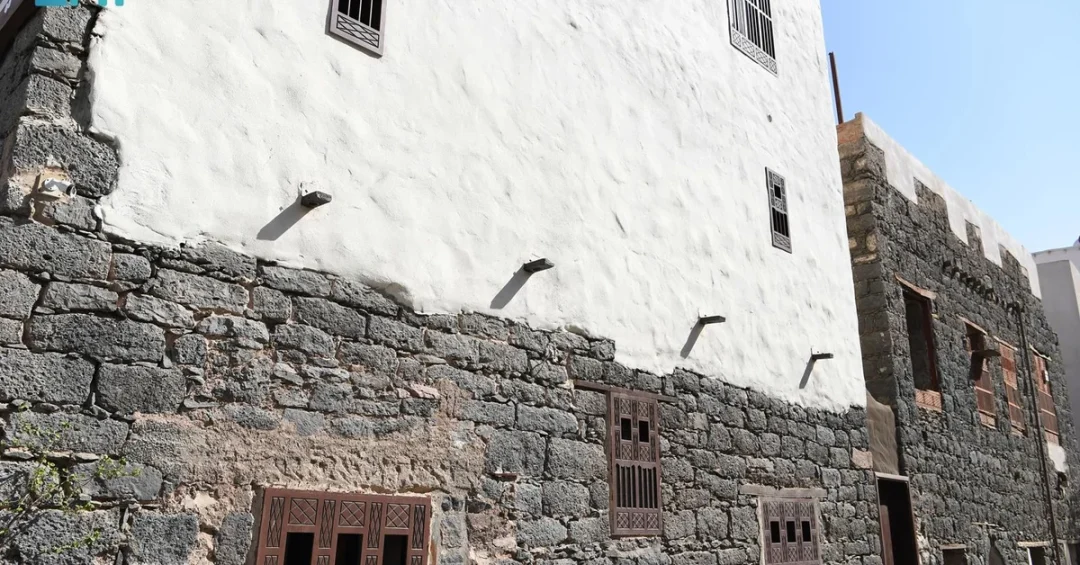
Madinah, October 04, 2025 (SPA) – Saudi architecture is shaping the urban future of Madinah, blending authentic heritage with modern design to boost real estate and tourism investments while supporting the goals of Saudi Vision 2030. The city’s architectural identity draws from its rich historical depth and authentic symbols such as Harrat (basalt stones) and palm trees, creating a unique visual signature that connects the past and present. This approach has led to significant growth in the real estate and tourism sectors, reflecting the Kingdom’s commitment to sustainable urban development.
Context and Background
Madinah, one of Islam’s holiest cities, has long been a destination for pilgrims and tourists alike. In recent years, the city has embarked on a transformative journey to modernize while preserving its cultural heritage. The integration of Saudi architectural styles into new developments is a key component of this strategy, ensuring that growth respects tradition while meeting the needs of a modern society. The Almadinah Almunawarah Chamber’s statistics highlight the success of this approach, with 65% of new urban projects utilizing Saudi architecture.
Key Details: Architectural Styles and Growth
Saudi architecture in Madinah employs three distinct styles: traditional, which emulates authentic heritage; transitional, which combines authenticity with modernity; and contemporary, which keeps pace with modern design trends. This diversity has contributed to a 19.5% growth in the real estate and tourism sector this year, according to chamber statistics. The incorporation of Harrat and palm tree motifs not only adds aesthetic value but also fosters a deeper emotional connection for residents and visitors, enhancing the city’s appeal as a place to live and invest.
Implications and Impact
The focus on Saudi architecture has far-reaching implications for the local economy and the broader region. By creating a distinct urban identity, Madinah is positioning itself as a competitive destination for tourism and investment. The growth in real estate is expected to attract international investors interested in the Kingdom’s Vision 2030 initiatives, which prioritize economic diversification and quality of life. Moreover, the sustainable design principles embedded in these projects align with global trends toward environmentally conscious urban development.
Vision 2030 Alignment
This architectural movement directly supports Saudi Vision 2030’s objectives of enhancing the quality of life, preserving cultural heritage, and stimulating economic growth. As Madinah continues to evolve, its architecture serves as a testament to the Kingdom’s dedication to blending tradition with progress. The success of this initiative is a clear indicator of a bright future, where Saudi cities lead the way in sustainable, culturally rich development, reinforcing the Kingdom’s global standing as a hub for innovation and heritage.
20 Questions
Q1. What is the main focus of Saudi architecture in Madinah?
A1. The main focus is to shape the city’s urban future by reflecting authentic identity, enhancing real estate and tourism investments, and ensuring a sustainable urban environment aligned with Saudi Vision 2030.
Q2. How many styles of Saudi architecture are employed in Madinah?
A2. There are three styles: traditional, transitional, and contemporary. Traditional emulates authentic heritage, transitional combines authenticity and modernity, and contemporary keeps pace with modern design.
Q3. What percentage of new urban projects in Madinah use Saudi architecture?
A3. According to statistics from the Almadinah Almunawarah Chamber, 65% of new urban projects in the city utilize Saudi architecture.
Q4. What growth rate has the real estate and tourism sector experienced this year?
A4. The sector has experienced a 19.5% growth this year, as reported by the Almadinah Almunawarah Chamber.
Q5. What authentic symbols does Madinah draw its design elements from?
A5. Madinah draws design elements from its historical depth and authentic symbols like Harrat (basalt stones) and palm trees.
Q6. How does this architecture strengthen the city’s connection with residents and visitors?
A6. It creates a unique visual signature blending the past and present, which enhances the emotional connection people feel with the city.
Q7. What is the significance of Vision 2030 in Madinah’s development?
A7. Vision 2030 guides the city’s development goals, including economic diversification, quality of life improvements, and cultural preservation, which the architecture supports.
Q8. Where was the information about Madinah’s architecture obtained?
A8. The information was released via the Saudi Press Agency (SPA), an official Saudi news authority.
Q9. How does Saudi architecture contribute to real estate attractiveness?
A9. By creating a unique and culturally rich urban environment, it makes properties more appealing to investors and residents, leading to growth in the sector.
Q10. What is the role of traditional architecture in Madinah?
A10. Traditional architecture emulates authentic heritage, preserving the city’s historical character and ensuring that new developments remain connected to its roots.
Q11. How does contemporary architecture fit into the plan?
A11. Contemporary architecture keeps pace with modern design trends, ensuring that Madinah remains innovative and compatible with current global standards.
Q12. What is the transitional style?
A12. The transitional style combines elements of authenticity with modernity, bridging the gap between tradition and contemporary needs.
Q13. Why is sustainable urban environment important for Madinah?
A13. A sustainable urban environment ensures long-term livability, reduces environmental impact, and aligns with Vision 2030’s emphasis on sustainability and quality of life.
Q14. How does this architecture impact tourism?
A14. It makes the city more attractive to tourists by offering a unique cultural experience, thereby boosting tourism and related investments.
Q15. Who is responsible for the statistics mentioned?
A15. The statistics are provided by the Almadinah Almunawarah Chamber, which monitors economic activities in the Madinah region.
Q16. What does the unique visual signature of Madinah represent?
A16. It represents a harmonious blend of the city’s rich history and modern aspirations, symbolizing continuity and progress.
Q17. Are there any international implications of this architectural trend?
A17. Yes, it positions Madinah as a model city for culturally sensitive urban development, potentially attracting international interest and investment.
Q18. How does this initiative support economic diversification?
A18. By fostering growth in real estate and tourism, it reduces dependence on oil revenue, aligning with Vision 2030’s economic diversification goals.
Q19. What future developments are expected in Madinah?
A19. Continued growth in projects utilizing Saudi architecture is expected, further enhancing the city’s appeal as a hub for investment and tourism.
Q20. How can someone learn more about Saudi architecture in Madinah?
A20. One can refer to official Saudi sources such as the Saudi Press Agency and the Almadinah Almunawarah Chamber for authoritative information on ongoing projects and developments.
Reader Feedback
We value your thoughts. Please share your feedback on this article.
Your feedback helps us improve our coverage.