


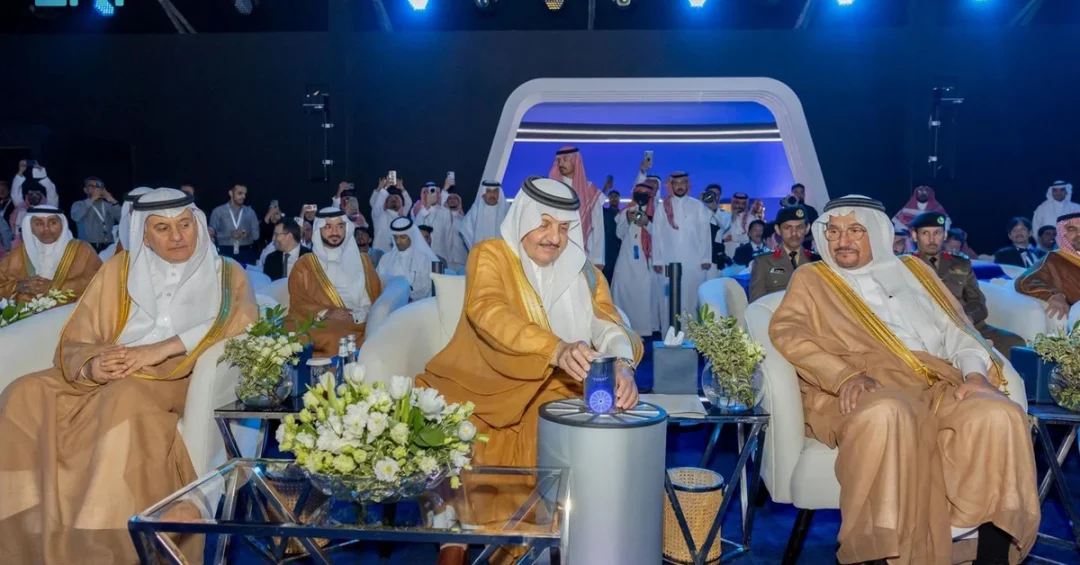
Eastern Region Governor Prince Saud bin Naif bin Abdulaziz inaugurated the Toray Membrane Middle East Plant LLC in Dammam’s Third Industrial City on November 12, 2025, marking the largest desalination membrane technology facility in the Middle East. The ceremony was attended by Minister of Environment, Water and Agriculture Abdulrahman Alfadley and several senior officials, underscoring the project’s strategic importance.
Context and Background
The plant is a joint venture between Saudi Arabia’s Abunayyan Holding and Japan’s Toray Industries, with investments exceeding SAR1 billion. It represents Toray’s second facility of this kind outside Japan, highlighting the Kingdom’s growing role as a global hub for advanced water technologies. The inauguration aligns with Saudi Arabia’s Vision 2030 goals to localize specialized industries and enhance water security.
Key Details
With a production capacity of 300,000 membranes annually, the plant will meet the needs of both local and Gulf markets, positioning the Kingdom as a regional center for membrane and desalination technologies. The project has already created more than 175 job opportunities for Saudis, with a current Saudization rate of 70% and a target of at least 75%. This investment not only strengthens the Kingdom’s industrial base but also contributes to the transfer of advanced technologies.
Implications and Impact
The plant’s establishment is a significant step toward localizing the reverse osmosis (RO) membrane industry for water desalination, a critical sector given the region’s arid climate. By reducing reliance on imported membranes, the Kingdom enhances its water and industrial security, while also creating a competitive export market within the Gulf. The partnership with Toray, a global leader in membrane technology, underscores Saudi Arabia’s attractiveness as a destination for high-tech manufacturing.
Vision 2030 Alignment
This project directly supports Vision 2030’s objectives of diversifying the economy, creating skilled jobs, and fostering innovation. By localizing advanced technologies, Saudi Arabia is building a sustainable and knowledge-based economy. The plant not only secures the Kingdom’s water needs but also positions it as a leader in the region’s water technology sector, contributing to the ambitious goals of the National Industrial Development and Logistics Program.
20 Questions
Q1. What is the Toray Membrane Middle East Plant?
A1. It is a new facility in Dammam, Saudi Arabia, producing reverse osmosis membranes for water desalination. It is the largest such plant in the Middle East, with an annual capacity of 300,000 membranes.
Q2. Who inaugurated the plant?
A2. The plant was inaugurated by Eastern Region Governor Prince Saud bin Naif bin Abdulaziz on November 12, 2025, in the Third Industrial City in Dammam.
Q3. What is the investment value of the plant?
A3. The total investment in the plant exceeds SAR1 billion, reflecting the significant financial commitment to localizing advanced desalination technology in Saudi Arabia.
Q4. What is the partnership behind the plant?
A4. The plant is a joint venture between Saudi Arabia’s Abunayyan Holding and Japan’s Toray Industries, combining local expertise with global technological leadership.
Q5. Where is the plant located?
A5. The plant is located in the Third Industrial City in Dammam, in the Eastern Province of Saudi Arabia, a key industrial hub.
Q6. What is the production capacity of the plant?
A6. The plant has a production capacity of 300,000 membranes annually, making it capable of meeting both local and Gulf market demands.
Q7. How many jobs will the plant create?
A7. The plant will provide more than 175 job opportunities for Saudis, with a current Saudization rate of 70% and a target of at least 75%.
Q8. What is the significance of this plant for Saudi Arabia?
A8. It represents a major step in localizing the RO membrane industry, enhancing water and industrial security, and reducing reliance on imported technologies.
Q9. Why is this plant important for the Gulf region?
A9. The plant will supply membranes to Gulf markets, positioning Saudi Arabia as a regional hub for desalination technology and reducing dependence on foreign suppliers.
Q10. How does this project align with Vision 2030?
A10. It supports Vision 2030 by diversifying the economy, creating skilled jobs, and fostering innovation in advanced technologies, contributing to the National Industrial Development and Logistics Program.
Q11. What technology does the plant use?
A11. The plant uses reverse osmosis (RO) membrane technology, which is a leading method for water desalination, essential for addressing water scarcity in arid regions.
Q12. Who is Toray Industries?
A12. Toray Industries is a Japanese multinational corporation specializing in advanced materials, including membrane technologies for water treatment. This plant is its second such facility outside Japan.
Q13. Who is Abunayyan Holding?
A13. Abunayyan Holding is a Saudi company with expertise in water and energy solutions, playing a key role in developing the Kingdom’s water infrastructure.
Q14. What is the current Saudization rate at the plant?
A14. The current Saudization rate is 70%, with a target to increase it to at least 75%, demonstrating the project’s commitment to employing Saudi nationals.
Q15. How does the plant benefit the local economy?
A15. It boosts the local economy by creating jobs, attracting foreign investment, and enhancing the Kingdom’s industrial capabilities, thereby supporting economic diversification.
Q16. What markets will the plant serve?
A16. The plant will serve both local Saudi markets and the broader Gulf region, helping to establish the Kingdom as a regional manufacturing hub.
Q17. What is the role of the Minister of Environment, Water and Agriculture?
A17. The Minister, Abdulrahman Alfadley, attended the inauguration, highlighting the government’s support for the project and its alignment with national water and environmental strategies.
Q18. How does the plant contribute to water security?
A18. By localizing membrane production, the plant reduces Saudi Arabia’s reliance on imported membranes, ensuring a stable supply for desalination plants and enhancing water security.
Q19. What are the environmental benefits of the plant?
A19. The use of advanced RO membranes improves the efficiency of desalination processes, reducing energy consumption and environmental impact compared to older technologies.
Q20. What is the future outlook for this project?
A20. The project is expected to pave the way for further high-tech investments in Saudi Arabia, strengthen the Kingdom’s global position in water technology, and support sustainable development goals.
Reader Feedback
We value your thoughts. Please share your feedback on this article.
Your feedback helps us improve our coverage.