


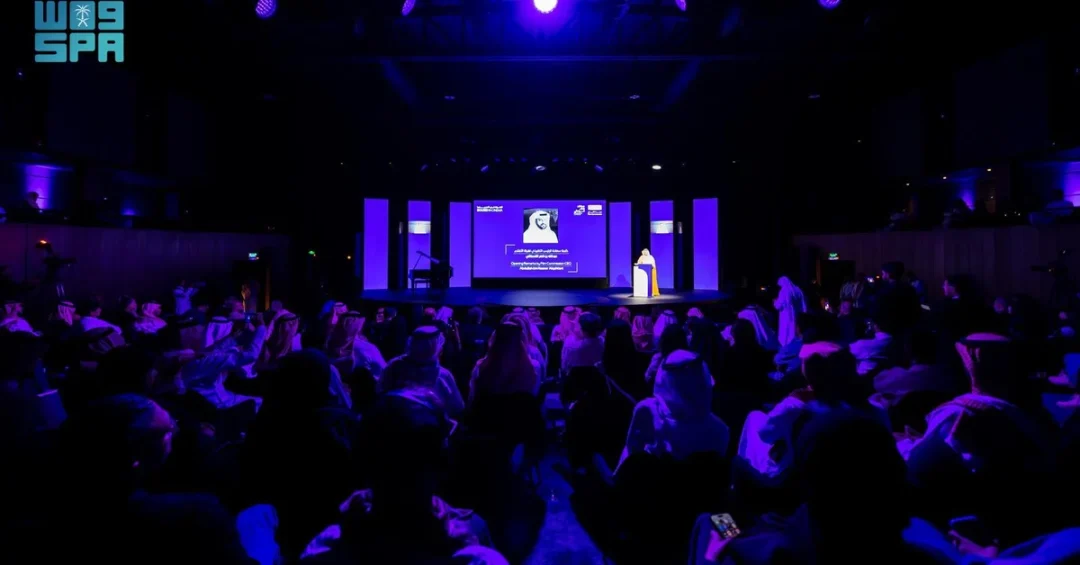
The second Film Criticism Conference commenced in Riyadh on November 7, 2024, and will continue until November 10. Hosted by the Saudi Film Commission, the event has drawn renowned filmmakers, critics, and cinephiles from around the globe to explore this year’s theme, “Sound in Cinema.” The conference aims to delve into the multifaceted impact of sound on the film experience and its influence on the industry.
Context and Background
The Film Criticism Conference is part of the Saudi Film Commission’s broader efforts to develop a vibrant film ecosystem in the Kingdom. This year’s focus on sound highlights the often-underappreciated role of audio in storytelling. The conference builds on the success of the inaugural edition, positioning Riyadh as a growing hub for cinematic discourse in the Middle East. With the film industry expanding under Vision 2030, such events are crucial for nurturing local talent and attracting international collaboration.
Key Details
The opening ceremony featured an introductory video outlining the conference’s objectives and past achievements, followed by remarks from Saudi Film Commission CEO Abdullah Al-Qahtani. “The Saudi Film Commission is dedicated to establishing, developing, and sustaining a strong and vibrant film industry, in line with Saudi Vision 2030,” Al-Qahtani said, adding that the commission focuses on empowering criticism as an intellectual and artistic tool that illuminates the path of cinema and opens new prospects for it.
Prominent Saudi director Abdullah Al-Mohaisen delivered a speech emphasizing the role of criticism: “Film criticism relies on sentient, honest, and purposeful criticism. It is the dynamic driver of development and creativity for the director. Cinema is and will always be a message before being anything else.” His speech preceded the screening of the award-winning Saudi documentary “Assassination of a City.”
Throughout the conference, panel discussions, presentations, workshops, film screenings, and interactive exhibits will address various sound elements, including film scores, sound effects, and nature sounds. Specialists and critics from around the world will share insights, enriching the film-watching experience for attendees.
Implications and Impact
The conference underscores Saudi Arabia’s commitment to fostering critical dialogue in cinema, which is essential for industry growth. By attracting international participants, the event enhances cultural exchange and positions the Kingdom as a serious player in global film. It also provides a platform for Saudi filmmakers and critics to engage with global trends, raising the profile of the Kingdom’s nascent film sector.
Vision 2030 Alignment
The Film Criticism Conference directly supports Vision 2030’s goal of cultivating a thriving cultural sector that contributes to economic diversification and quality of life. By investing in film criticism and talent development, the Saudi Film Commission is building the intellectual foundation for a sustainable film industry. As the conference continues to evolve, it will play a pivotal role in shaping the future of cinema in Saudi Arabia, aligning with the nation’s broader ambitions to become a global cultural destination.
20 Questions
Q1. What is the second Film Criticism Conference?
A1. The second Film Criticism Conference is a multi-day event held in Riyadh, hosted by the Saudi Film Commission, bringing together filmmakers, critics, and cinephiles to discuss and explore the art and craft of film criticism.
Q2. When did the conference begin and when will it end?
A2. The conference started on November 7, 2024, and will conclude on November 10, 2024, spanning four days of discussions, screenings, and workshops.
Q3. Where is the conference being held?
A3. The conference is being held in Riyadh, the capital city of Saudi Arabia, which is increasingly becoming a hub for cultural and cinematic events.
Q4. What is the theme of this year’s conference?
A4. The theme of this year’s conference is “Sound in Cinema,” focusing on the impact of sound elements like film scores and effects on the film experience.
Q5. Who is hosting the conference?
A5. The conference is hosted by the Saudi Film Commission, a government entity dedicated to developing the film industry in Saudi Arabia.
Q6. What are the main objectives of the conference?
A6. The conference aims to explore sound’s influence on film, promote film criticism, and provide a platform for knowledge exchange among industry professionals.
Q7. How does the conference contribute to Saudi Arabia’s cultural goals?
A7. It supports Vision 2030 by fostering a vibrant cultural sector, enhancing the film industry, and positioning Saudi Arabia as a destination for artistic and intellectual exchange.
Q8. What can attendees expect at the conference?
A8. Attendees can expect panel discussions, presentations, workshops, film screenings, and interactive exhibits focused on various aspects of cinema and sound.
Q9. Who gave the opening speech?
A9. Saudi Film Commission CEO Abdullah Al-Qahtani gave the opening speech, outlining the significance of the theme and the commission’s commitment to the film industry.
Q10. What did Abdullah Al-Qahtani emphasize in his speech?
A10. He emphasized the commission’s dedication to building a strong film industry and the importance of criticism as a tool to illuminate cinema and open new prospects.
Q11. What did Saudi director Abdullah Al-Mohaisen say about film criticism?
A11. Al-Mohaisen stated that film criticism is a dynamic driver of development and creativity for directors, and that cinema is always a message above all else.
Q12. What film was screened at the opening?
A12. The pioneering Saudi documentary “Assassination of a City” was screened, which has won several international awards.
Q13. What are some topics covered in the panels?
A13. Panels cover film scores, sound effects, nature sounds, and other elements of sound design in cinema, as well as broader aspects of film criticism.
Q14. How does the conference aim to enhance the film-watching experience?
A14. By examining how sound contributes to storytelling, the conference provides insights that help filmmakers and critics better understand and appreciate the cinematic experience.
Q15. Why is film criticism important for the industry?
A15. Film criticism provides constructive feedback that can improve filmmaking, guide audiences, and elevate the overall quality of cinema, making it essential for industry growth.
Q16. How does this conference support local talent?
A16. It offers workshops and networking opportunities, helping Saudi filmmakers and critics learn from international experts and develop their skills.
Q17. What is the lasting impact of such conferences on Saudi cinema?
A17. They contribute to the development of a knowledgeable audience and a robust film community, which are essential for a sustainable film industry that can compete globally.
Q18. Are international participants involved?
A18. Yes, the conference has a significant global presence, attracting filmmakers and critics from around the world, facilitating cross-cultural exchange.
Q19. How does the conference align with Vision 2030?
A19. It aligns by promoting cultural development, economic diversification through the film industry, and enhancing the Kingdom’s global standing as a hub for arts and culture.
Q20. What was the title of the introductory video?
A20. The video introduced the conference, its objectives, and past achievements, but its specific title was not mentioned in the source material.
Reader Feedback
We value your thoughts. Please share your feedback on this article.
Your feedback helps us improve our coverage.
Related articles
 Saudi Embassy Joins Pakistani Cultural Festival in Islamabad
 International Translation Forum 2024 Concludes in Riyadh
 Arabic Calligraphy Shines with Beauty at Grand Mosque
 Riyadh Book Fair Signing Platforms Bridge Writers and Readers
 Year of the Camel Pavilion in Jeddah’s City Walk Draws Crowds with an Interactive Cultural Experience
 Year of the Camel Pavilion in Jeddah’s City Walk Draws Crowds with an Interactive Cultural Experience