


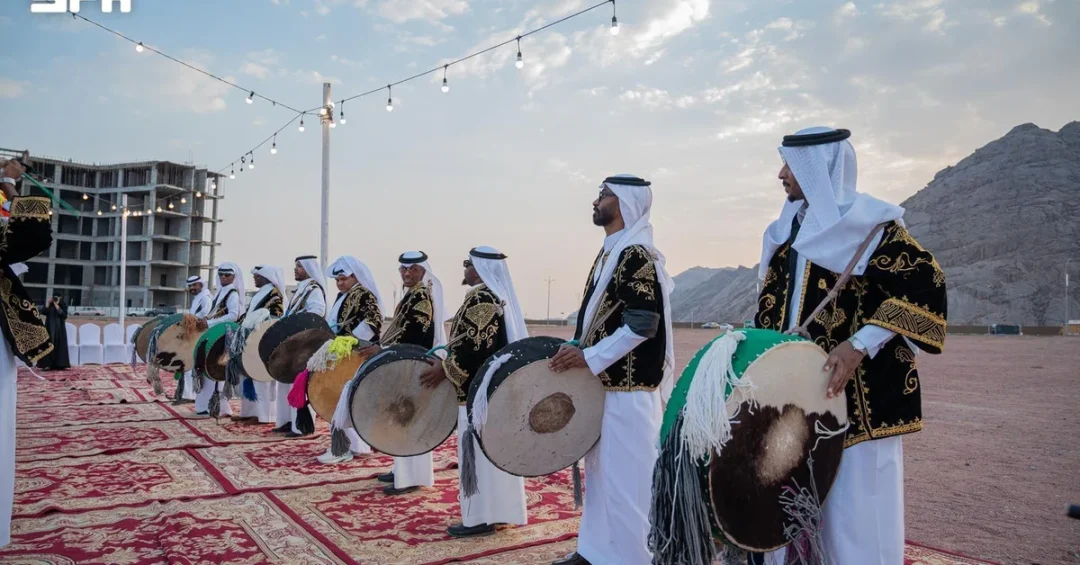
The Saudi Ardah, the Kingdom’s iconic traditional performance, drew large crowds of residents and visitors of all ages during Saudi National Day celebrations in Hail, organized by Hail Municipality, in an atmosphere of national pride and belonging. The event, held under the patronage of the local authorities, showcased the enduring cultural heritage of Saudi Arabia and highlighted the role of traditional arts in fostering unity and identity across generations.
Context and Background
Saudi National Day, observed annually on September 23, commemorates the unification of the Kingdom by King Abdulaziz Al Saud in 1932. It is a time for citizens to reflect on the nation’s progress and celebrate its rich cultural tapestry. The Saudi Ardah, a traditional folk dance performed with swords and drums, is a centerpiece of these festivities. Rooted in Bedouin traditions, the Ardah was historically performed before battles and on festive occasions, symbolizing strength, unity, and hospitality. Today, it is recognized by UNESCO as an intangible cultural heritage, underscoring its global significance.
In Hail, a region known for its vibrant cultural scene and historical significance, the celebrations organized by Hail Municipality brought together the community in a display of patriotism. The event aligns with the Kingdom’s broader efforts to preserve and promote its heritage as part of Vision 2030, which emphasizes cultural enrichment and national pride.
Key Details
The Saudi Ardah performance in Hail featured participants of all ages, dressed in traditional attire, rhythmically moving to the beat of drums and chanting poetic verses. The event attracted families and tourists, who joined in the festivities, creating a lively and inclusive atmosphere. Local officials and community leaders attended, emphasizing the importance of such cultural activities in strengthening social bonds.
According to the Saudi Press Agency (SPA), the celebrations were marked by enthusiastic participation, with attendees expressing pride in the traditional art form. The Ardah not only entertains but also educates younger generations about the Kingdom’s history and values, ensuring the transmission of intangible heritage. Hail Municipality’s role in organizing the event reflects the local government’s commitment to cultural preservation and community engagement.
Implications and Impact
The celebration in Hail exemplifies how Saudi National Day serves as a platform for cultural expression and national unity. By highlighting the Ardah, the event reinforces a shared identity among Saudis and showcases the Kingdom’s cultural diversity to international audiences. This contributes to Saudi Arabia’s soft power and promotes tourism, as visitors gain insight into the nation’s traditions. Moreover, such events support the local economy by attracting footfall to businesses and enhancing Hail’s profile as a cultural destination.
On a broader scale, the promotion of traditional arts aligns with global trends in heritage conservation and cultural diplomacy. Saudi Arabia’s efforts in this domain are recognized by organizations like UNESCO, enhancing the Kingdom’s standing in the international community. The Ardah’s presence at national celebrations also underscores the importance of cultural continuity in a rapidly modernizing society.
Vision 2030 Alignment
The Saudi Ardah celebrations in Hail are a testament to the Kingdom’s dedication to preserving its cultural heritage, a key pillar of Vision 2030. The vision aims to diversify the economy and enhance quality of life by investing in cultural and entertainment sectors. Events like these not only celebrate national identity but also contribute to the goals of increasing tourism and fostering a vibrant society. As Saudi Arabia continues its transformative journey, traditional arts like the Ardah will remain vital in connecting the past with the future, ensuring that the Kingdom’s rich heritage thrives for generations to come.
20 Questions
Q1. What is the Saudi Ardah?
A1. The Saudi Ardah is a traditional folk dance performed with swords and drums, symbolizing strength and unity. It is a key part of Saudi cultural heritage and is often performed at national celebrations and festive events.
Q2. When is Saudi National Day celebrated?
A2. Saudi National Day is celebrated on September 23 each year, commemorating the unification of the Kingdom by King Abdulaziz Al Saud in 1932. It is a public holiday marked by nationwide festivities.
Q3. Where did the recent Ardah celebration take place?
A3. The recent Ardah celebration took place in Hail, a region in northwestern Saudi Arabia known for its cultural significance. It was organized by Hail Municipality during the Saudi National Day celebrations.
Q4. Who organized the National Day celebrations in Hail?
A4. The celebrations in Hail were organized by Hail Municipality, the local government body responsible for municipal affairs. Their efforts ensured a patriotic and inclusive event for residents and visitors.
Q5. What is the significance of the Ardah in Saudi culture?
A5. The Ardah reflects national identity and belonging, rooted in Bedouin traditions. It preserves folk heritage and is recognized by UNESCO as intangible cultural heritage, showcasing the Kingdom’s rich history.
Q6. How does the Ardah contribute to national unity?
A6. By bringing together people of all ages in a shared performance, the Ardah fosters a sense of community and pride. It reinforces social bonds and a collective identity among Saudis.
Q7. Is the Ardah recognized internationally?
A7. Yes, the Ardah is inscribed on UNESCO’s Representative List of the Intangible Cultural Heritage of Humanity. This recognition highlights its global cultural significance and Saudi Arabia’s efforts in heritage preservation.
Q8. What role does Hail Municipality play in cultural events?
A8. Hail Municipality organizes and supports cultural events to promote community engagement and heritage. Their involvement in National Day celebrations demonstrates a commitment to local traditions and public participation.
Q9. How does the Ardah appeal to younger generations?
A9. The Ardah engages youth through active participation and learning, ensuring the transmission of traditions. It instills pride and awareness of Saudi heritage from a young age, keeping the art form alive.
Q10. What impact does the Ardah have on tourism?
A10. The Ardah attracts tourists seeking authentic cultural experiences, boosting local economies. It enhances Saudi Arabia’s appeal as a destination rich in heritage, aligning with Vision 2030 tourism goals.
Q11. How does Vision 2030 support cultural heritage?
A11. Vision 2030 includes initiatives to preserve and promote Saudi heritage, recognizing its role in national identity. It funds cultural events and encourages public participation, ensuring traditions thrive amid modernization.
Q12. What other activities occur during Saudi National Day?
A12. Celebrations include fireworks, parades, concerts, and traditional performances. Families gather for festive meals, and government entities organize events to commemorate the nation’s unification and progress.
Q13. Why is Hail significant for such celebrations?
A13. Hail has a rich cultural history and is known for its hospitality. Hosting National Day events there highlights regional diversity and brings the celebration to communities outside major cities.
Q14. How can visitors participate in Ardah events?
A14. Visitors can attend public celebrations during National Day or other festivals. Many events are open to all, allowing tourists to witness and sometimes join in the traditional performance.
Q15. What attire is worn during the Ardah?
A15. Performers typically wear traditional Saudi clothing, such as the thobe and bisht, and carry swords. This attire reflects the historical and cultural context of the dance, adding to its authenticity.
Q16. Does the Ardah have different regional variations?
A16. Yes, while the core elements remain consistent, regional variations in rhythm, poetry, and style exist. These differences showcase the diverse cultural expressions within Saudi Arabia.
Q17. How does the Ardah promote Saudi soft power?
A17. By presenting Saudi culture positively on international platforms, the Ardah enhances the Kingdom’s image. It fosters cultural diplomacy and mutual understanding, contributing to global appreciation of Saudi heritage.
Q18. What is the economic impact of National Day celebrations?
A18. National Day events stimulate local economies through increased spending on goods, services, and tourism. They create opportunities for small businesses and support job creation in the entertainment sector.
Q19. How does the Ardah reflect Saudi values?
A19. The Ardah embodies values of bravery, loyalty, and community, central to Saudi identity. It reinforces social cohesion and respect for tradition, passing these values to future generations.
Q20. What future plans exist for cultural preservation in Saudi Arabia?
A20. Under Vision 2030, Saudi Arabia continues to invest in cultural institutions and events. Plans include expanded heritage programs, digital archives, and international collaborations to safeguard traditions like the Ardah.
Reader Feedback
We value your thoughts. Please share your feedback on this article.
Your feedback helps us improve our coverage.