


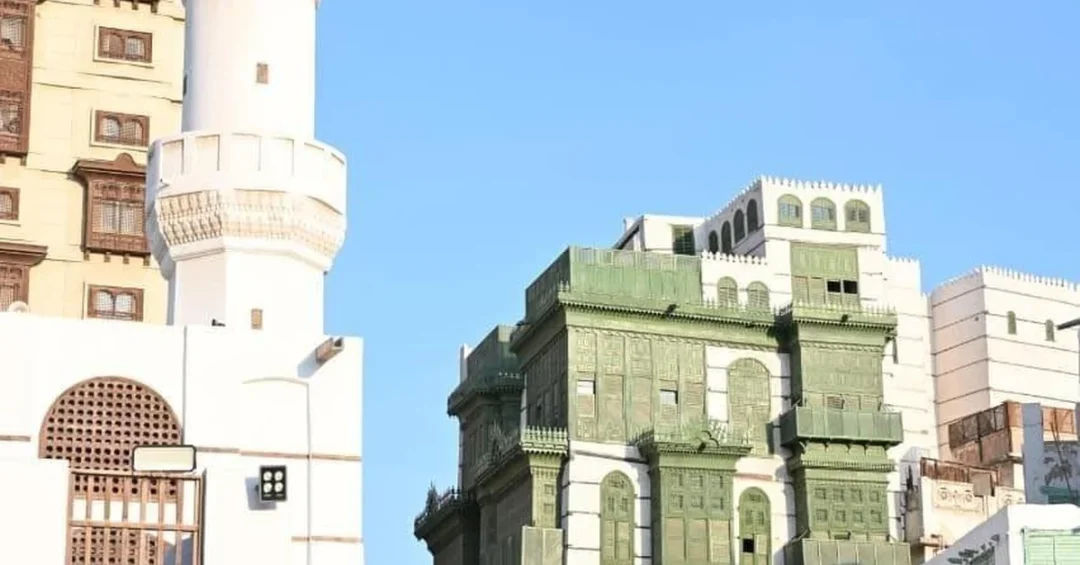
Jeddah has transformed its Red Sea waterfront into a vibrant hub of daily life, with five main waterfronts welcoming walkers and sports enthusiasts by day and families by evening, according to the Saudi Press Agency (SPA). The integration of open spaces, pedestrian walkways, bicycle paths, restaurants, and sports facilities has created an interconnected network that promotes active lifestyles and community engagement. This development is part of a broader effort to enhance quality of life in the Kingdom, aligning with Saudi Vision 2030’s goals to build vibrant communities and boost tourism.
Context and Background
Jeddah, known as the Bride of the Red Sea, has long been a gateway for pilgrims and traders. In recent years, the city has undergone significant revitalization to preserve its maritime heritage while modernizing public spaces. The five waterfronts—Corniche, Obhur, North Corniche, South Corniche, and the Historic Jeddah waterfront—offer diverse recreational opportunities. These projects are managed by the Jeddah Municipality in coordination with the Ministry of Tourism and the Quality of Life Program, a key initiative under Vision 2030.
The city’s commitment to green spaces is evident in the development of over 443 parks across neighborhoods. Among them, Prince Majid Park, spanning more than 130,000 square meters, stands out as a premier destination combining lush landscapes, walking tracks, and entertainment facilities. These efforts are designed to foster social interaction, promote public health, and attract visitors from around the world.
Key Details
The waterfronts are not just scenic spots; they are integrated hubs for recreation and tourism. The Al-Arbaeen Lake development includes a 972-meter maritime walkway, enhancing connectivity and offering stunning views. Meanwhile, the Historic Jeddah waterfront renewal initiative features a 4.4-kilometer waterfront, with plans for a yacht marina and pedestrian bridges. These projects aim to reinforce Jeddah’s maritime identity while providing modern amenities.
A visitor can seamlessly transition between the beach, walkways, restaurants, and maritime activities, then explore the heritage of Historic Jeddah—a UNESCO World Heritage site—all in a single day. This blend of sea, entertainment, hospitality, and history creates a unique experience that showcases the city’s cultural richness and modern aspirations.
The revitalization efforts also include the restoration of historic buildings and the development of cultural centers, further enriching the visitor experience. These initiatives are part of a larger strategy to position Jeddah as a leading tourist destination, leveraging its natural assets and cultural heritage.
Implications and Impact
The development of Jeddah’s waterfronts and heritage sites has significant implications for the local economy and international tourism. By enhancing quality of life, these projects attract investment, create jobs, and stimulate business growth. The increased tourism flow contributes to the Kingdom’s goal of raising tourism’s contribution to GDP from 3% to 10% by 2030.
Moreover, the integration of sports facilities and pedestrian paths encourages healthier lifestyles, addressing public health challenges and promoting community well-being. The focus on family-friendly spaces aligns with Saudi social values, providing safe and enjoyable environments for all ages.
Internationally, Jeddah’s transformation serves as a model for sustainable urban development, demonstrating how coastal cities can balance heritage conservation with modernization. It also strengthens Saudi Arabia’s position as a global tourism hub, attracting visitors interested in culture, history, and leisure.
Vision 2030 Alignment
These initiatives are directly aligned with Saudi Vision 2030, particularly the Quality of Life Program, which aims to improve the living standards of citizens and residents. By investing in public spaces, heritage preservation, and tourism infrastructure, Saudi Arabia is creating vibrant communities that foster social cohesion and economic diversification. The ongoing development of Jeddah’s waterfronts and historic sites underscores the Kingdom’s commitment to sustainable development and its ambition to become a world-class destination. As these projects progress, they will continue to enhance the city’s appeal and contribute to the nation’s prosperity.
20 Questions
Q1. What is the significance of Jeddah’s waterfronts?
A1. Jeddah’s waterfronts serve as vibrant public spaces that blend entertainment, culture, and tourism, enhancing the city’s quality of life and providing recreational opportunities for residents and visitors alike.
Q2. How many main waterfronts does Jeddah have?
A2. Jeddah features five main waterfronts, each offering open spaces, pedestrian walkways, bicycle paths, restaurants, and sports facilities that form an integrated network.
Q3. What is the role of Prince Majid Park?
A3. Prince Majid Park spans over 130,000 square meters and combines green spaces, walking tracks, and entertainment facilities, making it a prominent destination for families and visitors.
Q4. What is the Al-Arbaeen Lake development?
A4. The Al-Arbaeen Lake development includes a 972-meter maritime walkway, enhancing connectivity and providing scenic views while reinforcing Jeddah’s maritime identity.
Q5. What does the Historic Jeddah waterfront renewal initiative entail?
A5. It features a 4.4-kilometer waterfront with plans for a yacht marina and pedestrian bridges, aiming to preserve heritage while modernizing public spaces.
Q6. How does Jeddah’s development align with Vision 2030?
A6. The development aligns with Vision 2030’s Quality of Life Program, which seeks to improve living standards and promote tourism, contributing to economic diversification and community well-being.
Q7. What is the significance of Historic Jeddah?
A7. Historic Jeddah is a UNESCO World Heritage site, rich in cultural and architectural heritage, and its revitalization reinforces the city’s maritime identity and attracts tourists.
Q8. How many parks are there in Jeddah?
A8. Jeddah has more than 443 parks distributed across neighborhoods, providing green spaces and recreational areas for residents and visitors.
Q9. What activities can visitors enjoy at Jeddah’s waterfronts?
A9. Visitors can walk, run, cycle, dine at restaurants, and engage in maritime activities, all while enjoying the sea and family-friendly environments.
Q10. How do the waterfronts promote public health?
A10. By offering pedestrian walkways and sports facilities, the waterfronts encourage physical activity and active lifestyles, contributing to improved public health and well-being.
Q11. What economic benefits do these projects bring?
A11. They attract investment, create jobs, and stimulate business growth, supporting the Kingdom’s goal to increase tourism’s contribution to GDP from 3% to 10% by 2030.
Q12. How does Jeddah’s transformation impact international tourism?
A12. It positions Jeddah as a leading tourist destination, attracting international visitors interested in culture, history, and leisure, and showcasing Saudi Arabia’s modernization efforts.
Q13. What is the role of the Jeddah Municipality in these projects?
A13. The Jeddah Municipality manages the development and maintenance of waterfronts and parks, coordinating with other government entities to ensure quality and sustainability.
Q14. How does the Quality of Life Program contribute?
A14. The Quality of Life Program, under Vision 2030, supports initiatives that enhance public spaces, promote tourism, and improve the overall living standards of citizens and residents.
Q15. Are there plans for more developments in Jeddah?
A15. Yes, ongoing efforts include the restoration of historic buildings, expansion of green spaces, and the introduction of new cultural and entertainment facilities to further enrich the city.
Q16. What makes Jeddah a unique destination?
A16. Jeddah uniquely blends maritime heritage, modern amenities, and cultural richness, offering visitors a diverse experience that combines sea, entertainment, hospitality, and history.
Q17. How do these projects preserve Saudi culture?
A17. By revitalizing historic sites and integrating cultural elements into public spaces, the projects preserve and celebrate Saudi heritage while embracing modernity.
Q18. What is the impact on local communities?
A18. The developments foster social cohesion, provide recreational opportunities, and improve the quality of life for local communities, aligning with Saudi social values.
Q19. How does Jeddah’s development serve as a model for other cities?
A19. It demonstrates how coastal cities can balance heritage conservation with modernization, offering a sustainable urban development model that other cities can emulate.
Q20. What is the future outlook for Jeddah’s waterfronts?
A20. With continued investment and strategic planning, Jeddah’s waterfronts will further enhance the city’s appeal, boost tourism, and contribute to the Kingdom’s prosperity in line with Vision 2030.
Reader Feedback
We value your thoughts. Please share your feedback on this article.
Your feedback helps us improve our coverage.