


New York hosted the GCC-ASEAN Joint Ministerial Meeting on Wednesday during the 81st session of the United Nations General Assembly. The meeting was co-chaired by the Minister of Foreign Affairs of the Kingdom of Bahrain and Chairman of the current session of the GCC Ministerial Council Dr. Abdullatif bin Rashid Al Zayani and the Minister for Foreign Affairs of the Republic of Singapore Dr. Vivian Balakrishnan.
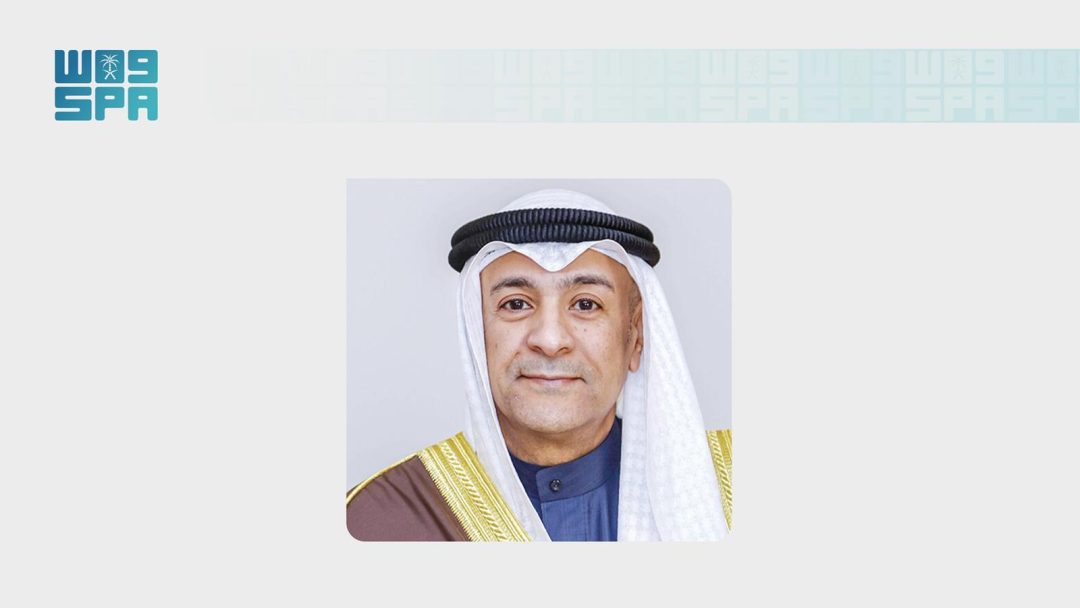
According to SPA, GCC Secretary-General Jasem Albudaiwi stated that this meeting builds on momentum from GCC-ASEAN Summits held in Riyadh in 2023 and Kuala Lumpur in 2025. He noted that relations between GCC states and ASEAN countries are historic and undergoing growth to solidify strategic ties and broaden cooperation.
Albudaiwi explained that the General Secretariats of the GCC and ASEAN have conducted consultative sessions to create joint frameworks. These include specialized working groups focused on commercial, economic, developmental, security, and political tracks, as well as harmonizing stances on international and regional matters in multilateral forums.
Regarding regional issues, Albudaiwi reported that since February 28, 2026, GCC member states have faced over 7,000 ballistic missile and drone attacks from Iran and its proxies. He stated these attacks targeted civilian infrastructure and caused casualties and material damage.
Where did the GCC-ASEAN Joint Ministerial Meeting take place and who led it? The meeting took place in New York on Wednesday on the margins of the 81st session of the United Nations General Assembly. It was co-chaired by Dr. Vivian Balakrishnan, the Minister for Foreign Affairs of the Republic of Singapore, and Dr. Abdullatif bin Rashid Al Zayani, the Minister of Foreign Affairs of the Kingdom of Bahrain and Chairman of the current session of the GCC Ministerial Council.
What previous events contributed to the momentum of the GCC-ASEAN partnership? The current cooperation builds upon the momentum generated by two previous GCC-ASEAN Summits. These historic events were held in Riyadh in 2023 and in Kuala Lumpur in 2025, which helped advance the avenues of partnership between both sides toward broader horizons.
What mechanisms are the GCC and ASEAN using to develop their joint frameworks? The General Secretariats of the GCC and ASEAN have held numerous consultative sessions to develop these frameworks. They have also established specialized working groups that cover developmental, commercial, economic, security, and political tracks, while harmonizing their stances on key international and regional matters within multilateral forums.