


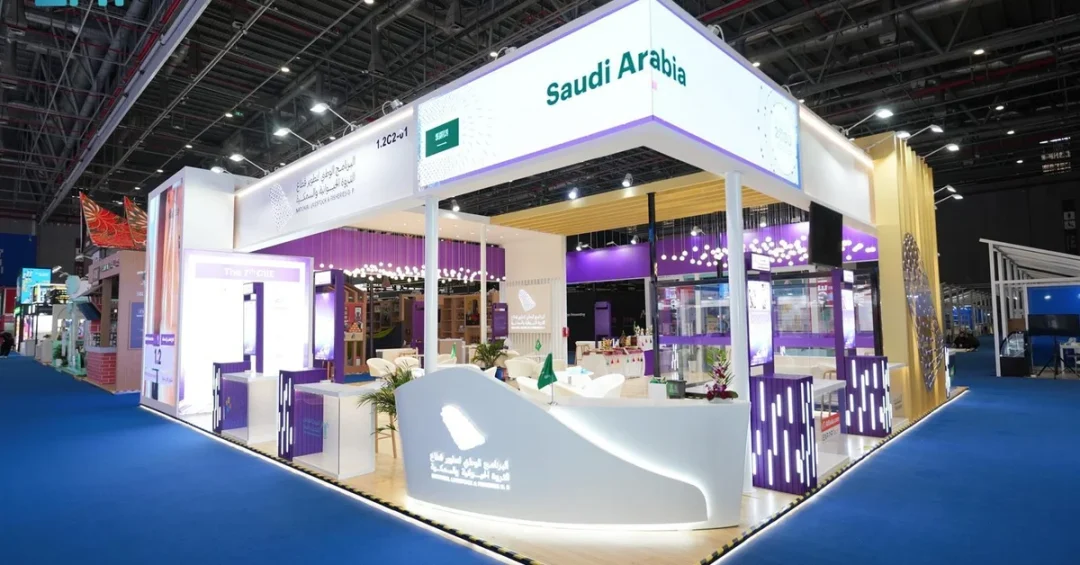
The Saudi National Livestock and Fisheries Development Program is participating in the 7th China International Import Expo (CIIE) in Shanghai from November 5 to 10, 2024, leading a delegation of 10 Saudi companies specialized in dairy, poultry, fish, shrimp, and dates. The participation, organized in collaboration with key government entities, underscores Saudi Arabia’s commitment to expanding non-oil exports and strengthening trade ties with China, a strategic partner under Vision 2030.
Context and Background
The China International Import Expo is one of China’s premier economic initiatives, designed to expand global trade and openness. This year’s edition hosts over 1,600 exhibitors and expects around 150,000 visitors from more than 100 countries. For Saudi Arabia, the expo represents a vital platform to showcase its growing agricultural and fisheries sectors, which are central to economic diversification efforts. The National Livestock and Fisheries Development Program, under the Ministry of Environment, Water and Agriculture, aims to enhance food security, boost domestic production, and promote Saudi products internationally. This participation aligns with the Kingdom’s broader strategy to increase non-oil exports and improve its balance of trade.
Key Details
Abdulmajeed Alshehri, Director of Institutional Communication at the program, highlighted that the delegation includes companies from the dairy, poultry, fish, shrimp, and date sectors. The program organized the participation in collaboration with the National Center for Palms and Dates, the Agricultural Development Fund, and King Abdullah University of Science and Technology (KAUST). These entities provide support in research, innovation, and financing to help Saudi companies compete globally. Alshehri noted that the program seeks to promote Saudi investment opportunities and engage with Chinese investors and government entities to boost cooperation in investment and trade. The ten participating companies are focused on marketing agricultural products in priority international markets, with China being a key target.
Implications and Impact
The participation is expected to significantly boost trade and increase non-oil exports, contributing to the Kingdom’s balance of trade. It also opens doors for Saudi companies to access the vast Chinese market, fostering long-term partnerships and investment flows. This engagement aligns with Saudi Arabia’s Vision 2030 goal of diversifying the economy away from oil dependence. By showcasing high-quality Saudi agricultural products, the Kingdom aims to position itself as a reliable supplier and a hub for food security. Furthermore, the collaboration with Chinese entities could lead to technology transfer and joint ventures, enhancing the competitiveness of Saudi industries.
Vision 2030 Alignment
This participation directly supports Vision 2030’s objectives of economic diversification, boosting non-oil exports, and strengthening international partnerships. It also aligns with the National Livestock and Fisheries Development Program’s goals to increase domestic production, improve food security, and promote Saudi products globally. As the Kingdom continues to open up to the world, such initiatives highlight Saudi Arabia’s proactive approach to global trade and investment, reinforcing its role as a key player in the global economy.
20 Questions
Q1. What is the Saudi National Livestock and Fisheries Development Program participating in?
A1. The program is participating in the 7th China International Import Expo (CIIE) held in Shanghai from November 5 to 10, 2024, leading a delegation of 10 Saudi companies to showcase agricultural products.
Q2. Which Saudi government entities collaborated in organizing this participation?
A2. The program organized the participation in collaboration with the National Center for Palms and Dates, the Agricultural Development Fund, and King Abdullah University of Science and Technology (KAUST), among other government bodies.
Q3. What types of companies are participating in the expo?
A3. Ten Saudi companies specialized in dairy, poultry, fish, shrimp, and date sectors are participating, aiming to market their products in priority international markets including China.
Q4. Who is Abdulmajeed Alshehri and what did he highlight?
A4. Abdulmajeed Alshehri is the Director of Institutional Communication at the program. He highlighted the program’s role in organizing the participation and the goal to boost trade and non-oil exports.
Q5. What is the expected impact of the expo on Saudi trade?
A5. The expo is expected to boost trade and increase non-oil exports, thus contributing to the improvement of the Kingdom of Saudi Arabia’s balance of trade and economic diversification.
Q6. How many exhibitors and visitors are expected at the expo?
A6. Over 1,600 exhibitors are taking part, and the event is expected to attract some 150,000 visitors from more than 100 countries, providing significant exposure for Saudi products.
Q7. What are the key objectives of the program’s participation?
A7. The program seeks to promote Saudi investment opportunities, engage with key investors and Chinese government entities, and boost cooperation in investment and trade between the two countries.
Q8. How does this participation align with Vision 2030?
A8. It aligns with Vision 2030 by supporting economic diversification, increasing non-oil exports, and strengthening international partnerships, all key goals of the Kingdom’s transformative agenda.
Q9. What is the China International Import Expo?
A9. The CIIE is one of China’s key economic initiatives aimed at expanding trade and boosting global market openness, held annually in Shanghai and attracting global participants.
Q10. Which Saudi sectors are represented at the expo?
A10. The dairy, poultry, fish, shrimp, and date sectors are represented, showcasing the diversity and quality of Saudi agricultural and fisheries products to international buyers.
Q11. What role does the National Center for Palms and Dates play?
A11. The National Center for Palms and Dates collaborates in organizing the participation, supporting the marketing of Saudi dates and palm products, which are a key export commodity for the Kingdom.
Q12. How does the Agricultural Development Fund support this initiative?
A12. The Agricultural Development Fund provides financial support and resources to Saudi companies, enabling them to participate in international expos and market their products effectively abroad.
Q13. What is the significance of KAUST’s involvement?
A13. King Abdullah University of Science and Technology contributes research and innovation expertise, helping Saudi companies enhance product quality and competitiveness in global markets.
Q14. What are the priority international markets for Saudi agricultural products?
A14. Priority markets include China and other high-potential regions, where demand for high-quality food products is growing, and Saudi Arabia aims to establish a strong presence.
Q15. How will this participation benefit Saudi private sector companies?
A15. It provides them with a platform to market their products, connect with international buyers, and explore joint ventures, thereby enhancing their global reach and export capabilities.
Q16. What is the expected outcome for Saudi Arabia’s balance of trade?
A16. Increased non-oil exports are expected to improve the balance of trade by reducing reliance on oil revenues and boosting foreign exchange earnings from agricultural products.
Q17. How does this expo contribute to Saudi Arabia’s food security goals?
A17. By promoting exports and international cooperation, the expo helps strengthen the agricultural sector, which is vital for food security and sustainable development in the Kingdom.
Q18. What investment opportunities does the program aim to promote?
A18. The program promotes opportunities in livestock, fisheries, and agriculture, inviting Chinese investment in production, processing, and technology to enhance bilateral economic ties.
Q19. How many Saudi companies are participating and in what sectors?
A19. Ten Saudi companies are participating, representing dairy, poultry, fish, shrimp, and date sectors, showcasing a diverse range of Saudi agricultural and fisheries products.
Q20. What is the broader significance of Saudi Arabia’s participation in CIIE?
A20. It demonstrates Saudi Arabia’s active engagement in global trade, its commitment to economic diversification, and its efforts to build strong international partnerships under Vision 2030.
Reader Feedback
We value your thoughts. Please share your feedback on this article.
Your feedback helps us improve our coverage.
Related articles
 Saudi Minister Meets Estonia’s Economy Minister
 RGA Showcases Road Strategy at Biban 24 Forum
 HCDP Joins Biban24 to Promote Innovation and Entrepreneurship
 Biban24 Forum’s Innovative Products Area: A Window to the Future
 Saudi Build Day 3: Smart, Sustainable Construction Vision
 SDB Signs Agreements to Empower Entrepreneurs and Emerging Sectors