


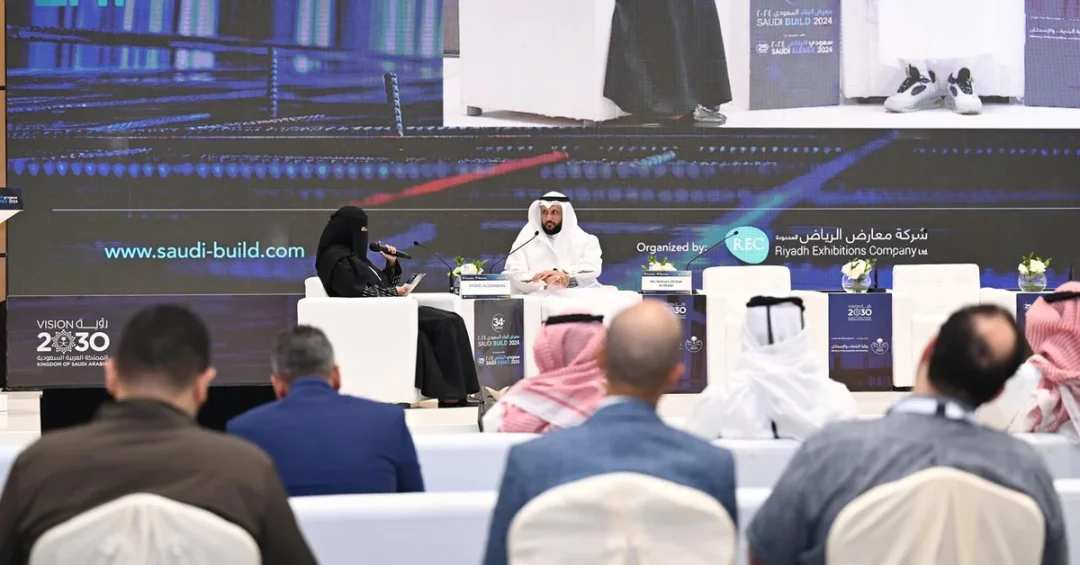
The third day of the Saudi Build Exhibition in Riyadh showcased a series of scientific sessions dedicated to artificial intelligence, automation, smart building materials, and digital solutions, all aligned with Saudi Vision 2030’s goal of transforming the Kingdom’s construction and infrastructure landscape. The sessions, reported by the Saudi Press Agency (SPA), brought together industry experts, government representatives, and private sector leaders to explore how advanced technologies can drive efficiency, sustainability, and competitiveness in the construction sector. The event underscored Saudi Arabia’s commitment to building a smarter, more sustainable future through innovation and collaboration.
As the Kingdom continues its ambitious journey toward economic diversification and urban development, the role of cutting-edge technologies in construction has never been more critical. The Saudi Build Exhibition, a premier event in the region’s construction calendar, serves as a platform for stakeholders to exchange knowledge, showcase advancements, and forge partnerships that will shape the future of the industry. With Vision 2030 at the forefront, the discussions on day three highlighted the transformative potential of AI, automation, and smart materials in revolutionizing how the Kingdom designs, builds, and maintains its infrastructure. How can these innovations not only enhance efficiency but also contribute to a more sustainable and resilient built environment? The answer lies in the strategic integration of technology, local expertise, and international best practices.
Context and Background
The Saudi Build Exhibition is a key event that reflects the Kingdom’s rapid progress in the construction and building sector, which is a cornerstone of Vision 2030. Launched in 2016, Vision 2030 aims to diversify the Saudi economy away from oil dependence, with massive investments in infrastructure, tourism, and smart cities. The construction sector is pivotal to these goals, with projects such as NEOM, the Red Sea Project, and Qiddiya driving demand for innovative solutions. The exhibition provides a vital forum for industry players to align their strategies with national objectives, ensuring that the sector remains competitive and sustainable. What does this mean for the future of construction in Saudi Arabia? It signals a shift toward technology-driven practices that prioritize efficiency, quality, and environmental responsibility.
The third day’s sessions built on previous discussions, delving into specific areas where technology can make a significant impact. The first session focused on the role of artificial intelligence in the construction industry, particularly in the elevator sector. It highlighted the National Industry Strategy’s support for this vital sector, emphasizing the empowerment of industrialists and encouraging banks to invest in infrastructure improvement and automation. Participants stressed the importance of local content in developing future elevator technologies, aligning with Vision 2030’s goal of full industrial automation. This focus on local content not only boosts the national economy but also ensures that the Kingdom remains at the forefront of technological innovation. How can local content development accelerate the adoption of AI in construction? By fostering a skilled workforce and creating a supportive ecosystem for research and development, Saudi Arabia can lead by example.
The second session shifted attention to the future of building materials, exploring competitiveness, expertise, and the importance of smart, advanced materials that promote sustainability. It examined the role of Saudi companies in supporting major projects with energy-efficient materials that meet high standards and stressed the need for local production to optimize supply chain efficiency. Speakers emphasized sustainable designs and innovative building materials that reduce energy consumption and support alternative energy sources. While acknowledging the challenges of integrating local and international factories, they highlighted the need for improved regulations and client support to facilitate this integration. What are the key benefits of using smart materials in construction? They not only reduce environmental impact but also enhance building performance and longevity, contributing to long-term cost savings.
Key Details
The third session of the day examined automation in infrastructure and construction engineering trends, reviewing the role of automation and control in construction. Speakers discussed its impact on sustainability, along with the challenges and opportunities of implementing advanced technologies in the sector. The session also addressed the importance of digital solutions in optimizing construction processes and achieving cost and time savings. Automation, ranging from robotics to AI-driven project management, can significantly improve accuracy, safety, and speed in construction projects. However, the adoption of such technologies requires investment in training, infrastructure, and regulatory frameworks. How can Saudi Arabia overcome these challenges to fully realize the benefits of automation? By fostering public-private partnerships and investing in digital literacy, the Kingdom can create an enabling environment for innovation.
The day concluded with a panel discussion on the future of Saudi Arabia’s construction and building sector and the role of innovation and technology in achieving Vision 2030 goals. The panel emphasized the need for collaboration between the public and private sectors to create a sustainable and competitive construction industry. This collaborative approach is essential to address the complexities of modern construction, from supply chain disruptions to environmental regulations. The panel also highlighted the importance of aligning educational curricula with industry needs to ensure a steady pipeline of skilled professionals. What role does collaboration play in driving innovation? It brings together diverse perspectives, resources, and expertise, accelerating the development and deployment of transformative solutions.
Throughout the day, participants underscored the importance of local content and the need for improved regulations to support the integration of advanced technologies. The National Industry Strategy, a key initiative under Vision 2030, provides a framework for enhancing local manufacturing and industrial capabilities. By encouraging banks to invest in infrastructure improvement and automation, the strategy aims to boost productivity and competitiveness. The focus on local content in the elevator sector, for instance, not only reduces reliance on imports but also creates jobs and fosters innovation. How can local content strategies be effectively implemented across the construction sector? Through targeted incentives, technology transfer agreements, and capacity-building programs, Saudi Arabia can build a robust local supply chain.
International and Regional Impact
The advancements discussed at the Saudi Build Exhibition have significant implications for the region and beyond. As one of the largest construction markets in the Middle East, Saudi Arabia’s adoption of smart technologies and sustainable practices sets a benchmark for neighboring countries. The Kingdom’s push for automation and AI in construction could inspire similar initiatives across the Gulf Cooperation Council (GCC) and the wider Arab world. Moreover, international companies looking to enter the Saudi market will need to align with local content requirements and sustainability standards, fostering greater collaboration and knowledge transfer. How will these developments influence global construction trends? They are likely to accelerate the adoption of digital solutions and green building practices worldwide, as countries seek to replicate Saudi Arabia’s success.
Regionally, the exhibition reinforces Saudi Arabia’s leadership in driving economic diversification and technological innovation. The Kingdom’s investments in smart cities and mega-projects are attracting global attention, positioning it as a hub for construction expertise and investment. The emphasis on sustainability and energy efficiency also aligns with global efforts to combat climate change, enhancing Saudi Arabia’s reputation as a responsible global player. What does this mean for regional cooperation? It opens avenues for joint ventures, shared research, and harmonized standards, promoting integration and prosperity across the region.
Economic and Strategic Significance
The economic significance of the discussions at the Saudi Build Exhibition cannot be overstated. The construction sector is a major contributor to the Kingdom’s GDP and employment, and its modernization is essential for achieving Vision 2030’s economic goals. By embracing AI, automation, and smart materials, Saudi Arabia can enhance productivity, reduce costs, and improve the quality of its infrastructure. The focus on local content also ensures that a larger share of the economic benefits remains within the Kingdom, supporting small and medium-sized enterprises (SMEs) and fostering entrepreneurship. How will these technologies impact job creation? While automation may displace some traditional roles, it will create new opportunities in technology development, data analysis, and maintenance, requiring a skilled workforce.
Strategically, the integration of advanced technologies in construction supports Saudi Arabia’s broader goals of economic diversification and sustainability. The Kingdom’s commitment to reducing carbon emissions and promoting renewable energy is reflected in the push for energy-efficient building materials and designs. The National Industry Strategy and other Vision 2030 initiatives provide the necessary policy support and incentives to drive this transformation. By leading in smart construction, Saudi Arabia can also enhance its geopolitical influence, exporting expertise and technology to other nations. What are the long-term strategic benefits? A resilient, diversified economy, reduced environmental footprint, and a strengthened position as a global innovation leader.
Vision 2030 Alignment
The third day of the Saudi Build Exhibition clearly demonstrated how the construction sector is aligning with Vision 2030’s objectives. The sessions on AI, automation, and smart materials directly support the Vision’s pillars of a vibrant society, a thriving economy, and an ambitious nation. By fostering innovation and sustainability, the Kingdom is not only building infrastructure but also creating a knowledge-based economy that will drive future growth. The emphasis on public-private collaboration and local content ensures that the benefits of these advancements are widely shared, contributing to social and economic development. How does this alignment manifest in concrete terms? Through projects like NEOM, which will be a hub for smart technologies, and through policies that incentivize sustainable practices.
As the exhibition concluded, the message was clear: Saudi Arabia is committed to building a smarter, more sustainable future. The insights shared and partnerships formed during the event will undoubtedly accelerate the transformation of the construction sector, bringing the Kingdom closer to its Vision 2030 goals. With continued investment in technology, education, and infrastructure, Saudi Arabia is poised to set new standards for excellence in construction and urban development, inspiring the world with its forward-looking approach. How can the international community engage with these developments? By partnering with Saudi entities, sharing expertise, and investing in the Kingdom’s dynamic market, stakeholders can contribute to and benefit from this exciting journey.
20 Questions
Q1. What was the focus of the third day of the Saudi Build Exhibition?
A1. The third day focused on scientific sessions exploring artificial intelligence, automation, smart building materials, and digital solutions in the construction sector, all aligned with Saudi Vision 2030.
Q2. How does artificial intelligence impact the construction industry according to the sessions?
A2. AI enhances efficiency, automation, and decision-making in construction, with applications in elevators and other areas, supported by the National Industry Strategy to empower industrialists and attract investment.
Q3. What role does the National Industry Strategy play in the elevator sector?
A3. It supports the sector by encouraging banks to invest in infrastructure improvement and automation, and promotes local content development to align with Vision 2030’s industrial automation goals.
Q4. Why is local content important in developing future elevator technologies?
A4. Local content reduces reliance on imports, boosts the national economy, creates jobs, and ensures that Saudi Arabia remains at the forefront of technological innovation in the elevator market.
Q5. What was discussed in the session on building materials?
A5. The session covered competitiveness, expertise, and the importance of smart, advanced materials that promote sustainability, energy efficiency, and support for alternative energy sources.
Q6. How can Saudi companies support major projects with energy-efficient materials?
A6. By producing high-standard, smart materials locally, they can optimize supply chain efficiency, reduce costs, and meet the sustainability requirements of mega-projects like NEOM and the Red Sea Project.
Q7. What challenges were highlighted in integrating local and international factories?
A7. Challenges include regulatory hurdles and the need for client support. Improved regulations and collaboration can facilitate smoother integration and technology transfer.
Q8. What is the significance of automation in infrastructure and construction engineering?
A8. Automation improves sustainability, accuracy, and speed in construction, but requires investment in training and regulatory frameworks to overcome implementation challenges.
Q9. How do digital solutions optimize construction processes?
A9. Digital solutions such as AI, IoT, and project management software enhance coordination, reduce waste, and achieve cost and time savings, leading to more efficient project delivery.
Q10. What was the main message of the panel discussion on the future of the construction sector?
A10. The panel emphasized the need for public-private collaboration to create a sustainable and competitive construction industry, leveraging innovation and technology to achieve Vision 2030 goals.
Q11. How does the Saudi Build Exhibition reflect Vision 2030?
A11. It showcases advancements in construction that align with Vision 2030’s goals of economic diversification, sustainability, and technological innovation, demonstrating the Kingdom’s commitment to a smarter future.
Q12. What are the benefits of smart building materials?
A12. Smart materials reduce energy consumption, enhance building performance and longevity, lower environmental impact, and contribute to long-term cost savings, supporting sustainable development.
Q13. How can Saudi Arabia overcome challenges in adopting advanced technologies?
A13. By fostering public-private partnerships, investing in digital literacy and training, and implementing supportive regulations, the Kingdom can create an enabling environment for innovation.
Q14. What impact do these developments have on the regional construction market?
A14. They set a benchmark for neighboring countries, inspire similar initiatives across the GCC, and attract international companies to align with local content and sustainability standards.
Q15. How does automation affect job creation in the construction sector?
A15. While automation may displace some traditional roles, it creates new opportunities in technology development, data analysis, and maintenance, requiring a skilled workforce and reskilling programs.
Q16. What is the economic significance of modernizing the construction sector?
A16. It enhances productivity, reduces costs, improves infrastructure quality, supports SMEs, and ensures a larger share of economic benefits remains within the Kingdom, driving GDP growth.
Q17. How does the focus on sustainability align with global trends?
A17. It aligns with global efforts to combat climate change, promotes energy efficiency, and enhances Saudi Arabia’s reputation as a responsible global player committed to environmental stewardship.
Q18. What role does education play in supporting these technological advancements?
A18. Education and training are crucial to equip the workforce with skills in AI, automation, and smart materials, ensuring a pipeline of talent to drive innovation and maintain competitiveness.
Q19. How can international companies engage with Saudi Arabia’s construction sector?
A19. They can partner with Saudi entities, share expertise, invest in the market, and align with local content requirements, contributing to and benefiting from the Kingdom’s dynamic construction landscape.
Q20. What is the long-term vision for Saudi Arabia’s construction sector?
A20. The long-term vision is to create a sustainable, competitive, and technologically advanced construction sector that supports Vision 2030, drives economic diversification, and sets global standards for innovation and efficiency.
Reader Feedback
We value your thoughts. Please share your feedback on this article.
Your feedback helps us improve our coverage.
Related articles
 SDB Signs Agreements to Empower Entrepreneurs and Emerging Sectors
 Saudi Entrepreneurial Drive Hits 8-Year High: GEM Report
 Estonian Minister Outlines Startup Success at Biban 24
 Olive Pressing Season Commences in Al-Jouf Region
 SPPC Awards 7,200 MW IPP Contracts to Global Consortia
 Saudi EXIM, Glencore Sign $300M Deal to Boost Mineral Exports