


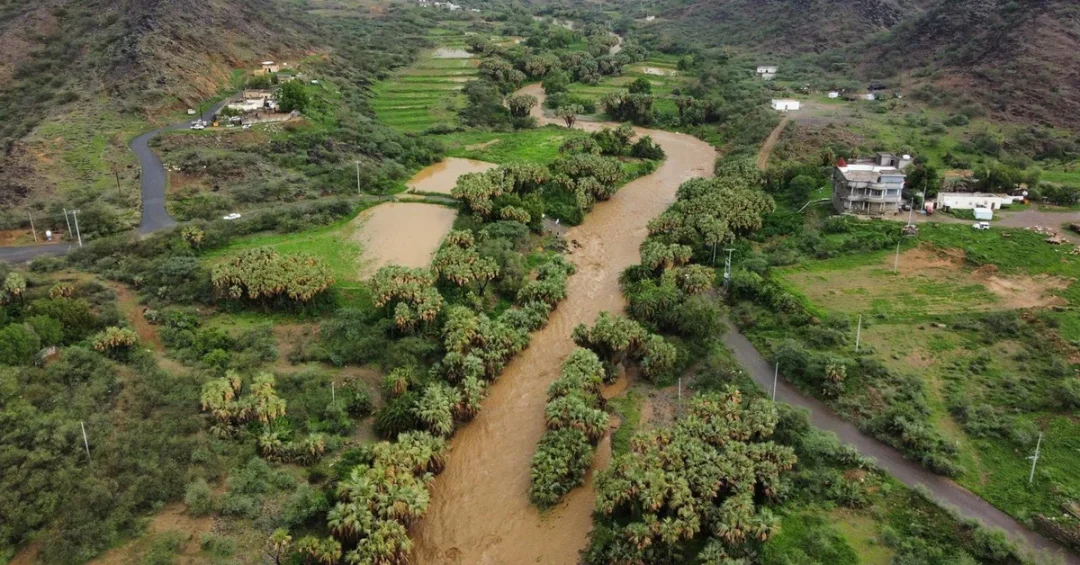
Wadi Dhahaya, a scenic valley nestled in the Balghazi Mountains of Al-Aydabi Governorate, approximately 80 kilometers from Jizan city, has emerged as a premier rural tourism destination, according to the Saudi Press Agency (SPA). Celebrated for its agricultural terraces, cascading streams, and diverse flora, the valley is drawing eco-tourists and photographers seeking an authentic encounter with Saudi Arabia’s mountainous heritage and natural beauty.
Context and Background
The Kingdom of Saudi Arabia has been actively promoting its diverse tourism assets as part of Vision 2030, aiming to increase tourism’s contribution to the national economy and create new opportunities in rural areas. Wadi Dhahaya represents a unique blend of natural splendor and cultural heritage, showcasing centuries-old terraces that stand as living testaments to indigenous mountain farming techniques. Local communities have long carved fertile crop beds out of steep slopes, creating a harmonious landscape that supports both agriculture and biodiversity.
The valley’s emergence as a destination aligns with the Saudi Tourism Authority’s efforts to highlight lesser-known regions, diversifying the tourism offerings beyond major cities and traditional sites. The SPA report underscores the growing interest in agrotourism, where visitors can engage directly with local farming practices and artisanal products.
Natural and Cultural Riches
Wadi Dhahaya is characterized by its rugged terrain, bordered by lush agricultural terraces, stone-built hamlets, and seasonal mountain streams. During rainfall, cascading runoff, fog-veiled peaks, and terraced hillsides converge to create vibrant scenery that captivates visitors. The valley is a primary habitat for wild Dhahyan trees, which support the production of prized Dhahyan honey, alongside native sidr, acacia, and juniper trees. This botanical diversity not only enhances the landscape but also sustains local livelihoods through beekeeping and farming.
The site offers direct access to local apiaries and mountain farming heritage, allowing tourists to experience the traditional ways of life that have shaped the region for generations. Such immersive experiences are increasingly sought after by international travelers interested in sustainable and culturally enriching tourism.
Implications for Regional Development
The promotion of Wadi Dhahaya as a tourism destination is expected to stimulate economic growth in the Jazan region by creating jobs in hospitality, guiding, and local product sales. It also aligns with the national strategy to empower rural communities and preserve cultural heritage. By attracting visitors, the valley can support infrastructure improvements and conservation efforts, ensuring that the natural and historical assets are protected for future generations.
Furthermore, the focus on agrotourism and eco-tourism reflects a global trend toward responsible travel, positioning Saudi Arabia as a destination that values sustainability and authentic experiences. This development complements other initiatives across the Kingdom, such as the Red Sea Project and NEOM, which aim to redefine tourism in the region.
Vision 2030 Alignment
The development of Wadi Dhahaya as a rural tourism destination directly supports Vision 2030‘s goals of diversifying the economy, creating employment, and enhancing the quality of life for Saudi citizens and visitors alike. By showcasing the Kingdom’s natural and cultural treasures, Saudi Arabia continues to position itself as a welcoming and dynamic global destination, committed to sustainable development and the celebration of its rich heritage.
20 Questions
Q1. What is Wadi Dhahaya and where is it located?
A1. Wadi Dhahaya is a scenic valley in the Balghazi Mountains of Al-Aydabi Governorate, about 80 kilometers from Jizan city. It is known for agricultural terraces, streams, and diverse flora.
Q2. Why has Wadi Dhahaya become a tourism destination?
A2. It has become a destination due to its natural beauty, including cascading streams, fog-veiled peaks, and terraced hillsides, which attract eco-tourists and photographers seeking authentic rural experiences.
Q3. What are the main agricultural features of the valley?
A3. The valley features centuries-old agricultural terraces carved into steep slopes, where local communities have traditionally grown crops. These terraces are living testaments to indigenous farming techniques.
Q4. What types of trees are found in Wadi Dhahaya?
A4. The valley is home to wild Dhahyan trees, sidr, acacia, and juniper trees. These support the production of prized Dhahyan honey and contribute to the area’s biodiversity.
Q5. How does Wadi Dhahaya support the local economy?
A5. It supports the local economy through agrotourism, beekeeping, and farming. Visitors can purchase local honey and products, creating income opportunities for residents.
Q6. What is Dhahyan honey and why is it prized?
A6. Dhahyan honey is produced from the nectar of wild Dhahyan trees in the valley. It is prized for its unique flavor and quality, making it a sought-after local product.
Q7. How does the valley contribute to Saudi Arabia’s Vision 2030?
A7. It supports Vision 2030 by promoting rural tourism, diversifying the economy, creating jobs, and showcasing Saudi Arabia’s natural and cultural heritage to the world.
Q8. What activities can visitors enjoy at Wadi Dhahaya?
A8. Visitors can enjoy hiking, photography, exploring agricultural terraces, visiting local apiaries, and experiencing traditional mountain farming heritage in a serene natural setting.
Q9. When is the best time to visit Wadi Dhahaya?
A9. The best time to visit is during the rainy season when streams flow and the landscape is lush. However, the valley offers scenic beauty year-round, with seasonal variations.
Q10. How accessible is Wadi Dhahaya from major cities?
A10. It is located 80 kilometers from Jizan city, making it accessible by road. Jizan has an airport and is connected to other regions, facilitating travel for domestic and international visitors.
Q11. What conservation efforts are in place for the valley?
A11. Conservation efforts focus on preserving the terraces, native trees, and traditional farming practices. Sustainable tourism initiatives aim to balance visitor access with environmental protection.
Q12. How does Wadi Dhahaya compare to other Saudi tourism destinations?
A12. It offers a unique rural and agrotourism experience, distinct from urban or coastal destinations. It complements other sites by highlighting the Kingdom’s mountainous heritage and biodiversity.
Q13. What role does the Saudi Press Agency play in promoting such sites?
A13. The Saudi Press Agency (SPA) reports on tourism developments, raising awareness of destinations like Wadi Dhahaya and supporting national efforts to promote tourism.
Q14. Are there guided tours available at Wadi Dhahaya?
A14. Local guides may be available through community-based tourism initiatives. Visitors can inquire with local authorities or tour operators for guided experiences.
Q15. What is the significance of the stone-built hamlets?
A15. The stone-built hamlets reflect traditional architecture and community life in the mountains. They add cultural depth to the visitor experience and represent the region’s heritage.
Q16. How does agrotourism benefit local communities?
A16. Agrotourism provides direct income from farm visits, product sales, and services. It empowers communities to preserve their traditions while benefiting economically from tourism.
Q17. What makes Wadi Dhahaya a habitat for diverse flora?
A17. The valley’s microclimate, elevation, and water sources support a variety of plant species, including Dhahyan, sidr, acacia, and juniper, creating a rich ecosystem.
Q18. Is Wadi Dhahaya suitable for family visits?
A18. Yes, it offers a peaceful environment suitable for families. However, visitors should be prepared for rugged terrain and respect local customs and nature.
Q19. How can visitors contribute to sustainable tourism at the valley?
A19. Visitors can contribute by respecting the environment, supporting local businesses, following guidelines, and minimizing their ecological footprint during their visit.
Q20. What future developments are planned for Wadi Dhahaya?
A20. Future developments may include improved infrastructure, enhanced visitor facilities, and continued promotion, all aligned with sustainable tourism principles and Vision 2030 goals.
Reader Feedback
We value your thoughts. Please share your feedback on this article.
Your feedback helps us improve our coverage.
Related articles
 Red Sea Global Opens Equinox AMAALA Luxury Wellness Resort
 Riyadh Air Launches Direct Flights to Bangkok
 Al-Baha’s 27 Parks Boost Ecotourism and Green Investment
 Madinah Transforms Historic Neighborhoods into Cultural Destinations
 Clouds Blanket Mountains of Al-Baha in Stunning Scenes
 Al-Nassif Walkway: Al-Baha’s Recreational Gem