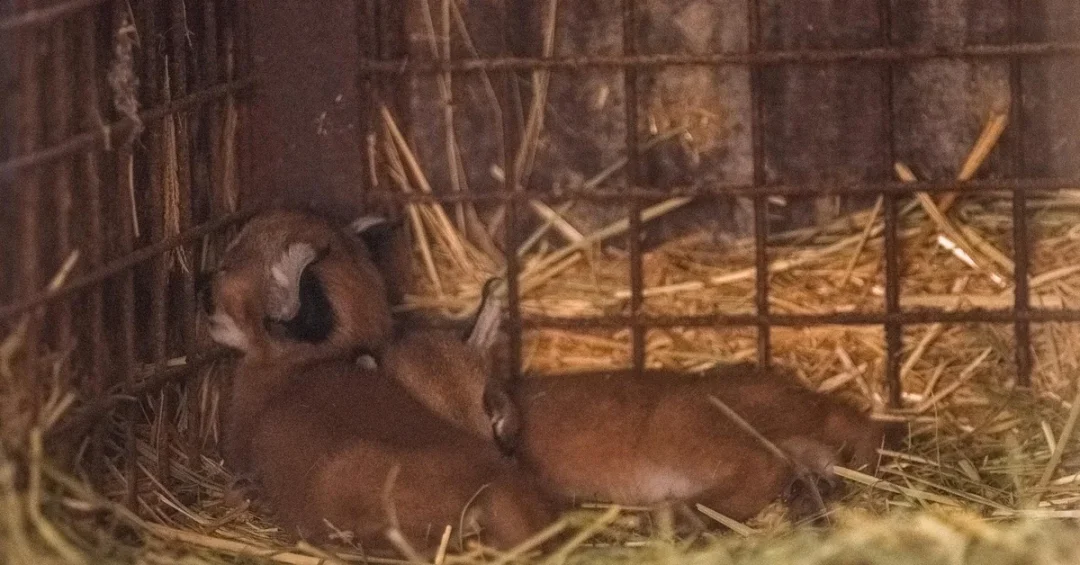
The National Center for Wildlife (NCW) has announced the first successful birth of a female Caracal, with two cubs, at the Prince Saud Al-Faisal Wildlife Research Center in Taif. The announcement, released via the Saudi Press Agency, marks a significant milestone in the center’s breeding program launched in 2022 with a nucleus of 16 individuals. The program aims to conserve and protect wildlife, maintain ecosystem balance, and enrich biodiversity, aligning with the National Environmental Strategy and the Saudi Green Initiative, as part of Saudi Vision 2030.
Context and Background
The Prince Saud Al-Faisal Wildlife Research Center in Taif, established in 1986, is one of the research centers under the National Center for Wildlife. It was founded to breed and reintroduce local endangered species into their natural habitats and monitor their post-release progress. The center is home to eight breeding programs, including those for the Asina Houbara, Arabian oryx, Common Ostrich, Arabian leopard, Arabian Mountain gazelle, Nubian ibex, Caracal, and Arabian hare. The Caracal breeding program, initiated in 2022, is part of NCW’s broader efforts to conserve endangered species and enhance biodiversity in the Kingdom.
Key Details
NCW has invested significant resources in upgrading and preparing the Caracal enclosures at the research center, leading to a marked improvement in breeding and care programs for this majestic species. Dr. Mohammed Qurban, CEO of the National Center for Wildlife, said, “We are delighted to announce this milestone, which emphasizes the success of our efforts to rehabilitate ecosystems and enhance balance. This achievement is a testament to our commitment to conserving endangered species and expanding breeding programs, demonstrating our ongoing success in implementing ambitious environmental initiatives aimed at protecting biodiversity in the Kingdom and promoting best practices for environmental conservation within a comprehensive legislative framework.” Dr. Qurban further emphasized that NCW is dedicated to supporting efforts to breed and reintroduce endangered species into their natural habitats through specialized scientific programs and activities leveraging information technology in partnership with local and global experts.
Implications and Impact
The launch of breeding and reintroduction programs for local predators, including the Caracal, coincides with the expansion of protected areas, providing suitable habitats for these creatures. The presence of predators in the wild ensures ecological balance, as they play a crucial role in maintaining food chains and contributing to the integrity of ecosystems. This successful birth not only boosts the Caracal population but also demonstrates Saudi Arabia’s commitment to environmental conservation and biodiversity. It serves as a model for other conservation efforts in the region and highlights the importance of scientific research and international collaboration in preserving endangered species.
Vision 2030 Alignment
This achievement aligns with Saudi Vision 2030, which prioritizes environmental sustainability and the protection of natural resources. The National Environmental Strategy and the Saudi Green Initiative are key components of the Kingdom’s efforts to enhance quality of life and ensure a sustainable future. By successfully breeding and reintroducing endangered species like the Caracal, Saudi Arabia is demonstrating its leadership in environmental conservation and its dedication to achieving the goals of Vision 2030. The NCW’s work not only contributes to the preservation of biodiversity but also supports the Kingdom’s broader objectives of economic diversification and global engagement.
20 Questions
Q1. What did the National Center for Wildlife announce?
A1. The NCW announced the first successful birth of a female Caracal with two cubs at the Prince Saud Al-Faisal Wildlife Research Center in Taif, marking a milestone in its breeding program.
Q2. When was the Caracal breeding program launched?
A2. The breeding program was launched in 2022 with a nucleus of 16 individuals, aiming to conserve and protect wildlife, maintain ecosystem balance, and enrich biodiversity.
Q3. Where is the Prince Saud Al-Faisal Wildlife Research Center located?
A3. The center is located in Taif, Saudi Arabia. It was established in 1986 to breed and reintroduce local endangered species into their natural habitats.
Q4. What is the significance of this birth?
A4. This birth is a significant milestone in the center’s breeding program, demonstrating the success of efforts to conserve endangered species and enhance biodiversity in the Kingdom.
Q5. Who is the CEO of the National Center for Wildlife?
A5. Dr. Mohammed Qurban is the CEO of the National Center for Wildlife. He emphasized the achievement as a testament to NCW’s commitment to conserving endangered species.
Q6. What other species are bred at the center?
A6. The center breeds eight species, including the Asina Houbara, Arabian oryx, Common Ostrich, Arabian leopard, Arabian Mountain gazelle, Nubian ibex, Caracal, and Arabian hare.
Q7. How does this achievement align with Saudi Vision 2030?
A7. It aligns with Vision 2030’s environmental sustainability goals, including the National Environmental Strategy and the Saudi Green Initiative, which aim to protect biodiversity and enhance quality of life.
Q8. What is the role of predators in the ecosystem?
A8. Predators like the Caracal help maintain ecological balance by controlling prey populations and ensuring the integrity of food chains, contributing to overall ecosystem health.
Q9. What resources has NCW invested in the Caracal program?
A9. NCW has invested significant resources in upgrading and preparing the Caracal enclosures, leading to improved breeding and care programs for the species.
Q10. What does NCW aim to achieve through its breeding programs?
A10. NCW aims to conserve and protect endangered species, reintroduce them into their natural habitats, and promote biodiversity through specialized scientific programs and partnerships.
Q11. How does NCW leverage technology in its conservation efforts?
A11. NCW leverages information technology in partnership with local and global experts to support breeding and reintroduction programs, enhancing the effectiveness of its conservation initiatives.
Q12. What is the National Environmental Strategy?
A12. The National Environmental Strategy is a key initiative under Saudi Vision 2030 that aims to protect the environment, promote sustainability, and enhance biodiversity in the Kingdom.
Q13. What is the Saudi Green Initiative?
A13. The Saudi Green Initiative is a national effort to combat climate change, increase vegetation cover, and protect the environment, aligning with Vision 2030’s sustainability goals.
Q14. How many cubs were born?
A14. The female Caracal gave birth to two cubs, marking the first successful birth of this species at the center’s breeding program.
Q15. What is the significance of the expansion of protected areas?
A15. The expansion of protected areas provides suitable habitats for predators like the Caracal, ensuring their survival and contributing to ecological balance.
Q16. How does this achievement impact Saudi Arabia’s global standing?
A16. It demonstrates Saudi Arabia’s commitment to environmental conservation and biodiversity, enhancing its leadership in global environmental efforts and supporting Vision 2030 objectives.
Q17. What other conservation programs does NCW operate?
A17. NCW operates multiple breeding and reintroduction programs for endangered species, including the Arabian leopard, Arabian oryx, and others, as part of its mission to protect biodiversity.
Q18. What legislative framework supports NCW’s work?
A18. NCW operates within a comprehensive legislative framework that supports environmental conservation and the protection of endangered species in Saudi Arabia.
Q19. How does the center monitor post-release progress?
A19. The center monitors post-release progress through specialized scientific programs and activities, leveraging technology to track the survival and adaptation of reintroduced species.
Q20. What future goals does NCW have for its breeding programs?
A20. NCW aims to expand breeding programs, reintroduce more endangered species into their natural habitats, and continue contributing to Saudi Arabia’s environmental sustainability goals under Vision 2030.
Reader Feedback
We value your thoughts. Please share your feedback on this article.
Your feedback helps us improve our coverage.