


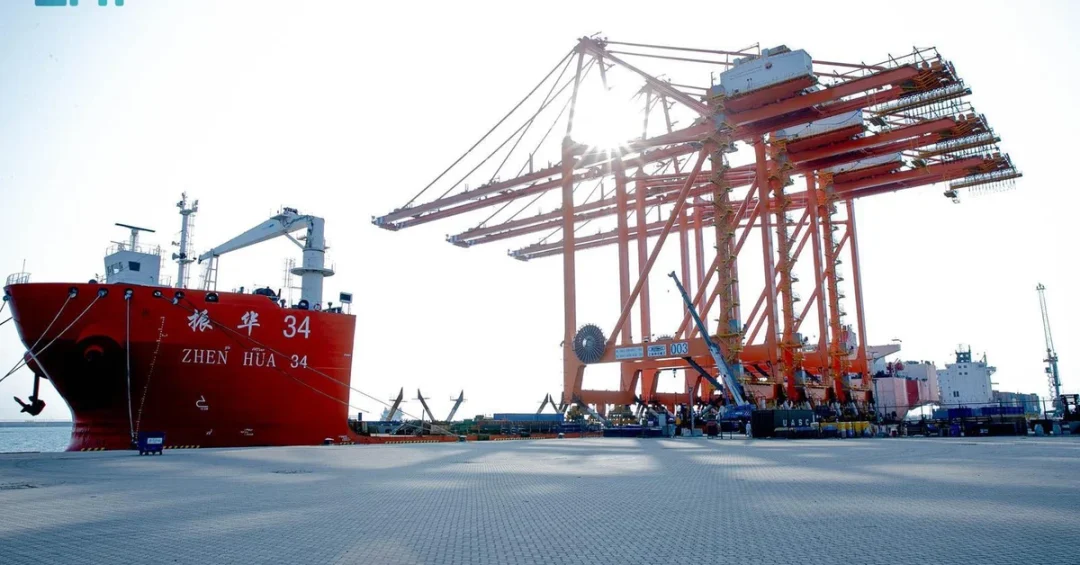
Saudi Arabia’s ports have advanced in the 2024 Lloyd’s List global container port rankings, with three facilities secured among the world’s top 100 by volume. The Kingdom climbed from 16th to 15th place internationally, as Jeddah Islamic Port, King Abdullah Port, and King Abdulaziz Port in Dammam each recorded higher throughput and improved standings, according to the Saudi Press Agency (SPA).
Context and Background
The Lloyd’s List annual report is a widely cited benchmark for container port performance, tracking TEU volumes and operational efficiency. Saudi Arabia’s rise reflects sustained investment in maritime infrastructure and logistics under the National Strategy for Transport and Logistics Services, a key enabler of Vision 2030. The strategy aims to position the Kingdom as a global logistics hub connecting Asia, Europe, and Africa.
Saudi Ports Authority (Mawani) oversees the sector, which has seen capacity expansions, digital upgrades, and new shipping partnerships. In 2023, the Kingdom added 31 transcontinental shipping services, signed agreements for six new logistics zones, and awarded four maritime services contracts worth over SAR1 billion. These steps build on the Kingdom’s strategic location on the Red Sea and Arabian Gulf.
Key Details
Jeddah Islamic Port jumped from 41st to 32nd globally, handling 5,586,074 TEU in 2023, up 12.6% from 4,960,120 TEU in 2022. King Abdullah Port moved from 71st to 70th, with 2,929,807 TEU in 2023 versus 2,905,306 TEU a year earlier, a 0.8% increase. King Abdulaziz Port in Dammam rose from 90th to 82nd, achieving 2,305,811 TEU, up 13.1% from 2,038,787 TEU in 2022.
Omar Hariri, President of Mawani, said: “The substantial growth rates and increased container handling volumes in the Saudi ports underscore the Kingdom’s position as a global logistics powerhouse. The ports sector plays a pivotal role in supporting the national economy, enhancing export and trade activities, and facilitating the smooth movement of supply chains. These achievements align with the objectives of the National Strategy for Transport and Logistics Services, as outlined in Vision 2030, and solidify the Kingdom’s standing as a global logistics hub.”
To boost efficiency, Mawani has also finalised development and commercial support contracts for container terminals valued at nearly SAR17 billion. These investments are set to increase container terminal capacity by over 70% at Jeddah Islamic Port and by more than 120% at King Abdulaziz Port in Dammam.
Implications and Impact
The improved rankings enhance Saudi Arabia’s competitiveness in global trade and supply chains, particularly as Red Sea routes gain strategic importance. Higher container volumes support export diversification, reduce logistics costs, and attract foreign investment in logistics zones and industrial clusters. The Kingdom’s progress in the UNCTAD maritime connectivity index further signals its growing role in international shipping networks.
For international shippers and investors, the upgrades mean more reliable and efficient gateways to the Middle East. The expansion at Jeddah and Dammam, along with King Abdullah Port’s steady performance, positions Saudi ports as key nodes in the Asia–Europe–Africa trade corridor.
Vision 2030 Alignment
These achievements directly support Vision 2030’s goal of transforming Saudi Arabia into a global logistics hub and diversifying the economy beyond oil. By expanding capacity, improving connectivity, and fostering partnerships, the Kingdom is strengthening non-oil exports, creating jobs, and enhancing its appeal as a trade and investment destination. The ports sector remains central to the National Strategy for Transport and Logistics Services, driving sustainable growth and global integration.
20 Questions
Q1. What is the main finding of the Lloyd’s List report for Saudi ports?
A1. The report shows Saudi Arabia’s ports climbed from 16th to 15th globally in container handling, with three ports in the top 100. This reflects the Kingdom’s growing role as a logistics hub.
Q2. Which Saudi ports are ranked among the world’s top 100 container handlers?
A2. Jeddah Islamic Port, King Abdullah Port, and King Abdulaziz Port in Dammam are the three Saudi ports featured in the top 100 of the Lloyd’s List rankings.
Q3. How much did Jeddah Islamic Port improve its global ranking?
A3. Jeddah Islamic Port jumped from 41st to 32nd place worldwide, marking a significant improvement in its competitive position among global container ports.
Q4. What was the container throughput at Jeddah Islamic Port in 2023?
A4. Jeddah Islamic Port handled 5,586,074 TEU in 2023, surpassing the 4,960,120 TEU handled in 2022, representing a growth of 12.6%.
Q5. How did King Abdullah Port perform in the latest rankings?
A5. King Abdullah Port rose from 71st to 70th place, handling 2,929,807 TEU in 2023 compared to 2,905,306 TEU in 2022, a modest increase of 0.8%.
Q6. What is the new ranking of King Abdulaziz Port in Dammam?
A6. King Abdulaziz Port in Dammam moved from 90th to 82nd place globally, reflecting a substantial jump in container handling performance.
Q7. What volume did King Abdulaziz Port handle in 2023?
A7. It handled 2,305,811 TEU in 2023, up 13.1% from 2,038,787 TEU in 2022, showing strong growth in container traffic.
Q8. Who commented on these achievements from Mawani?
A8. Omar Hariri, President of the Saudi Ports Authority (Mawani), expressed satisfaction, highlighting the sector’s role in supporting the national economy and global logistics.
Q9. What did Omar Hariri say about the ports’ performance?
A9. He said the growth underscores the Kingdom’s position as a global logistics powerhouse, supporting exports, trade, and supply chains, aligned with Vision 2030 objectives.
Q10. What is the value of recent container terminal contracts signed by Mawani?
A10. Mawani finalised development and commercial support contracts worth nearly SAR17 billion, aimed at increasing container terminal capacity at major ports.
Q11. How much will container capacity increase at Jeddah Islamic Port?
A11. Capacity at Jeddah Islamic Port is set to increase by over 70% as part of the SAR17 billion investment in terminal development and commercial support.
Q12. What capacity increase is planned for King Abdulaziz Port?
A12. King Abdulaziz Port in Dammam will see container capacity rise by more than 120%, significantly boosting its ability to handle growing trade volumes.
Q13. How many transcontinental shipping services did Saudi Arabia add in 2023?
A13. The Kingdom added 31 transcontinental shipping services in 2023, expanding its maritime connectivity and reinforcing its role in global trade routes.
Q14. How many logistics zones agreements were signed in 2023?
A14. Saudi Arabia signed agreements for six new logistics zones with prominent national and international companies, enhancing its logistics infrastructure and investment appeal.
Q15. What is the value of maritime services contracts signed in 2023?
A15. Four contracts for maritime services were signed, with total investments exceeding SAR1 billion, supporting the development of the Kingdom’s maritime sector.
Q16. How does this ranking improvement benefit Saudi Arabia’s economy?
A16. It enhances trade competitiveness, supports export diversification, reduces logistics costs, and attracts foreign investment, contributing to non-oil economic growth.
Q17. What role do Saudi ports play in global supply chains?
A17. They serve as key nodes connecting Asia, Europe, and Africa, facilitating smooth movement of goods and strengthening the reliability of global supply chains.
Q18. How does this align with the National Strategy for Transport and Logistics Services?
A18. The strategy aims to make Saudi Arabia a global logistics hub by 2030, and the ports’ improved rankings directly reflect progress toward that objective.
Q19. What international recognition has Saudi Arabia received for maritime connectivity?
A19. The UNCTAD report acknowledged the Kingdom’s continuous progress in the maritime navigation network connectivity index, reflecting its strategic partnerships with global shipping lines.
Q20. How do these developments support Vision 2030?
A20. They advance Vision 2030’s goal of economic diversification by enhancing logistics infrastructure, boosting non-oil exports, and positioning Saudi Arabia as a global trade and investment hub.
Reader Feedback
We value your thoughts. Please share your feedback on this article.
Your feedback helps us improve our coverage.
Related articles
 Saudi-Ethiopian Business Council Formed to Boost Trade
 IsDBI and INCEIF Launch Journal on Islamic Finance and Sustainability
 ICIEC Welcomes Togolese Republic as 50th Member State
 Saudi Industry Minister Presents Investment Opportunities to Singapore
 Saudi Chambers Forms Business Council with Eastern Europe
 Al-Baha Region Blooms After Recent Rains