


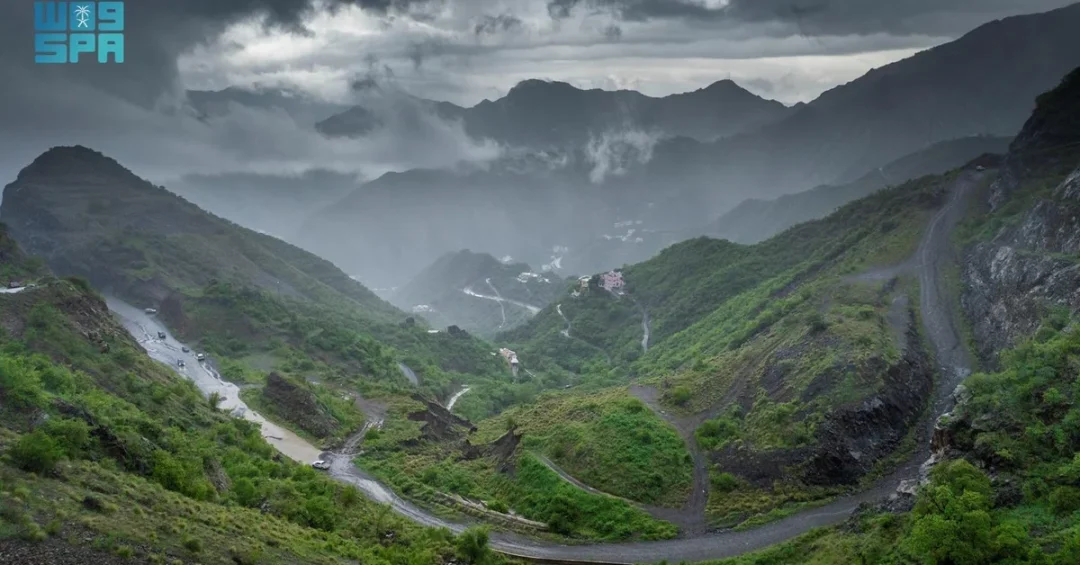
The Rijal Almaa Governorate in the Aseer region of Saudi Arabia has emerged as a premier tourist destination this August, drawing thousands of visitors to its lush green mountains, cascading waterfalls, and rich cultural heritage, as reported by the Saudi Press Agency (SPA). Following heavy rains, the governorate’s landscapes have transformed into vibrant green carpets, with water flowing through wadis and waterfalls plunging from towering heights for over 60 days. This natural spectacle, combined with the area’s historic stone castles and traditional villages, offers a unique blend of scenic beauty and cultural immersion for travelers from across the Kingdom and beyond.
Context and Background
Rijal Almaa Governorate is a jewel of Saudi Arabia’s southern region, renowned for its breathtaking nature and authentic traditions. Each year, with the arrival of August, the mountains undergo a dramatic transformation due to seasonal rains, creating a verdant paradise that blurs the lines between mountains, plains, and valleys. This phenomenon attracts picnickers and nature enthusiasts eager to witness the flowing springs and stunning landscapes. The governorate is home to the historic village of Rijal, famous for its captivating stone castles and architecture, which stand as a testament to the region’s rich history. Additionally, the Honey Cottage has become a prominent landmark, drawing visitors interested in learning about the diverse honey varieties, their names, and the traditional tools used in production. Rijal Almaa hosts one of the most important honey markets in southern Saudi Arabia, thanks to its natural environment and dense vegetation that nourishes countless bees, making it a primary source of high-quality honey.
Key Details
A journey to Rijal Almaa begins in Abha city, accessible via two main routes. The western route connects Abha to the governorate through Al Soudah and Aqabat Sama, approximately 40 kilometers away. This path passes through Wadi Al Ows, where Sidr trees, corn and millet farms, and other agricultural products and aromatic plants flourish. The journey continues to “Ash Sha’been”, the administrative center with government offices and bustling commercial activity. The southern route approaches from the south, traversing the mountains through several tunnels, including one over 1,000 meters long—one of the longest in the Kingdom. This route connects Rijal Almaa to Dhahran Al Janoub Governorate in the Jazan region and then to Aqabat Dila, which leads to Abha city from the south. During a tour of Rijal Almaa’s towns and villages, the lens of the Saudi Press Agency captured scenes of families and young people from various regions of the Kingdom enjoying time amidst lush forests, rainfall, and natural waterfalls cascading from mountain peaks. The scattered clouds on the mountain peaks during this season have formed captivating images widely shared on social media platforms, prompting locals and visitors from both within and outside the Kingdom to travel to this destination to enjoy the mesmerizing atmosphere and cool temperature, and share these moments on social media platforms.
Implications and Impact
The surge in tourism to Rijal Almaa has significant implications for the local economy and regional development. The influx of visitors supports local businesses, particularly in the hospitality and agricultural sectors, with honey production being a key economic driver. The governorate’s growing popularity also highlights the success of Saudi Arabia’s efforts to diversify its tourism offerings beyond traditional religious and urban destinations. By showcasing the Kingdom’s natural beauty and cultural heritage, Rijal Almaa contributes to the broader goal of attracting international tourists and enhancing Saudi Arabia’s global image as a diverse and welcoming destination. Furthermore, the increased visibility on social media platforms serves as a powerful promotional tool, drawing attention to the Aseer region’s potential as a year-round destination.
Vision 2030 Alignment
The development of Rijal Almaa as a tourist destination aligns closely with Saudi Vision 2030, which aims to diversify the economy and promote tourism as a key sector. Under the leadership of the Kingdom, initiatives to enhance infrastructure, preserve cultural heritage, and promote sustainable tourism are creating new opportunities for local communities and contributing to the nation’s economic growth. Rijal Almaa stands as a shining example of how Saudi Arabia’s rich natural and cultural assets are being harnessed to build a vibrant and prosperous future, reinforcing the Kingdom’s position as a leading global destination.
20 Questions
Q1. Where is Rijal Almaa Governorate located?
A1. Rijal Almaa Governorate is located in the Aseer region of southwestern Saudi Arabia, near Abha city. It is known for its mountainous terrain and rich cultural heritage, making it a popular tourist destination in the Kingdom.
Q2. What makes Rijal Almaa a popular tourist destination?
A2. Rijal Almaa is popular for its stunning natural landscapes, including green mountains and waterfalls, as well as its historic stone castles and vibrant honey market. These attractions draw thousands of visitors annually, especially during the rainy season.
Q3. When do the mountains of Rijal Almaa turn green?
A3. The mountains turn green with the arrival of August each year, following heavy rains. This seasonal transformation creates lush landscapes that last for over 60 days, attracting nature lovers and picnickers from across the Kingdom.
Q4. How long do the waterfalls in Rijal Almaa flow?
A4. The waterfalls cascade from towering heights for over 60 days during the rainy season. This extended period allows visitors ample time to enjoy the breathtaking scenes and cool atmosphere.
Q5. What is the historic village of Rijal known for?
A5. The historic village of Rijal is renowned for its captivating stone castles and traditional architecture. These structures reflect the region’s rich history and are a major draw for tourists interested in cultural heritage.
Q6. What is the Honey Cottage?
A6. The Honey Cottage is a prominent landmark in Rijal Almaa where visitors can learn about different honey varieties, their names, and the traditional tools used in honey production. It showcases the region’s thriving honey industry.
Q7. Why is Rijal Almaa important for honey production?
A7. Rijal Almaa hosts one of the most important honey markets in southern Saudi Arabia due to its natural environment and dense vegetation that nourishes countless bees. This makes it a primary source of high-quality honey.
Q8. How can one travel to Rijal Almaa from Abha?
A8. Travelers can reach Rijal Almaa from Abha via two main routes: the western route through Al Soudah and Aqabat Sama (about 40 km), or the southern route through mountains and tunnels, including one over 1,000 meters long.
Q9. What is notable about the tunnels on the southern route?
A9. The southern route features several tunnels, including one over 1,000 meters long, which is among the longest in the Kingdom. This engineering feat facilitates access to Rijal Almaa from the south.
Q10. What agricultural products are grown in Wadi Al Ows?
A10. Wadi Al Ows is known for Sidr trees, corn, millet, and other agricultural products, as well as aromatic plants. The fertile valley supports diverse crops and contributes to the region’s agricultural richness.
Q11. What is Ash Sha’been?
A11. Ash Sha’been is the administrative center of Rijal Almaa Governorate, housing government offices and bustling commercial activity. It serves as a hub for visitors and locals alike.
Q12. What kind of scenes did the Saudi Press Agency capture in Rijal Almaa?
A12. The Saudi Press Agency captured scenes of families and young people enjoying lush forests, rainfall, and natural waterfalls cascading from mountain peaks. These images highlight the area’s appeal as a recreational destination.
Q13. How has social media contributed to tourism in Rijal Almaa?
A13. Captivating images of scattered clouds on mountain peaks have been widely shared on social media, prompting locals and visitors from within and outside the Kingdom to travel to Rijal Almaa to experience its mesmerizing atmosphere.
Q14. What is the climate like in Rijal Almaa during the rainy season?
A14. The rainy season brings cool temperatures and lush greenery, creating a pleasant escape from the heat. The atmospheric conditions, including scattered clouds, enhance the scenic beauty and attract visitors.
Q15. Are there any historical sites in Rijal Almaa?
A15. Yes, the historic village of Rijal features ancient stone castles and architecture that reflect the region’s heritage. These sites offer insight into traditional Saudi culture and are preserved for future generations.
Q16. What economic activities are prominent in Rijal Almaa?
A16. Agriculture, particularly honey production, is a key economic activity. Tourism also plays a growing role, supporting local businesses and creating opportunities for residents in hospitality and retail.
Q17. How does Rijal Almaa contribute to Saudi Vision 2030?
A17. Rijal Almaa contributes to Vision 2030 by promoting tourism, diversifying the economy, and preserving cultural heritage. Its development aligns with the Kingdom’s goals of attracting visitors and showcasing Saudi Arabia’s natural and cultural treasures.
Q18. What are the main attractions for visitors to Rijal Almaa?
A18. Main attractions include the green mountains, waterfalls, historic stone castles, the Honey Cottage, and the bustling honey market. Visitors also enjoy the cool climate and opportunities for photography and relaxation.
Q19. Is Rijal Almaa accessible for international tourists?
A19. Yes, Rijal Almaa is accessible via Abha International Airport, which connects to major cities. The Kingdom’s tourism initiatives have made it easier for international visitors to explore destinations like Rijal Almaa.
Q20. What is the best time to visit Rijal Almaa?
A20. The best time to visit is during the rainy season from August onwards, when the landscapes are green and waterfalls are flowing. The cool weather and vibrant scenery make it ideal for outdoor activities and sightseeing.
Reader Feedback
We value your thoughts. Please share your feedback on this article.
Your feedback helps us improve our coverage.
Related articles
 Stunning Sunsets: Another Facet of Abha’s Beauty
 Maysan’s Serene Streams: A Natural Oasis in Saudi Arabia
 Black Scorpion Cave: A Hidden Gem in the Northern Borders Region
 Buraidah Dates Carnival Blends Heritage, Entertainment
 Haroub Governorate: A Nature Wonderland in Saudi Arabia
 Saudi Tourism Minister Oversees ACP-Virgin Atlantic Agreement