


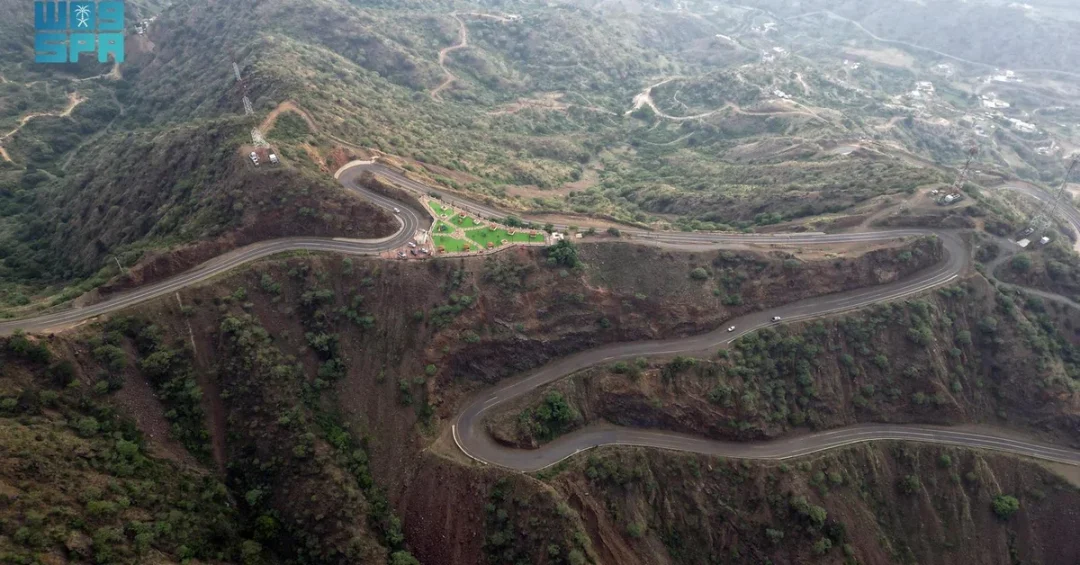
Haroub Governorate, located about 110 kilometers east of Jazan City, has emerged as a premier tourist destination following recent rainfall that transformed its landscapes into lush, green vistas, according to the Saudi Press Agency (SPA). This natural spectacle, combined with ongoing development projects, highlights the region’s growing appeal as a hub for eco-tourism and sustainable agriculture, aligning with Saudi Vision 2030’s goals to diversify the economy and promote tourism.
Context and Background
Jazan region, in southwestern Saudi Arabia, is renowned for its diverse environmental assets and rich cultural heritage. Government initiatives aimed at boosting the tourism sector have catalyzed significant growth in recent years. Haroub Governorate, with its picturesque terrains and unique natural features, stands out as a prime example of this progress. The recent rainfall has adorned the area with verdant greenery, creating a captivating scene for visitors and underscoring the Kingdom’s commitment to preserving its natural wonders while fostering economic development.
Natural Attractions and Agricultural Heritage
Haroub Governorate boasts an array of attractions, including agricultural terraces where crops such as coffee, wheat, corn, fruits, and aromatic plants are cultivated. These terraces not only support local livelihoods but also offer a glimpse into traditional farming practices that have sustained communities for generations. The region is also home to stunning waterfalls, notably in Wadi Shahdan and Wadi Waal, which attract nature enthusiasts and photographers. Additionally, sites like Khojarah and Mount Manjed provide breathtaking panoramic views, making the governorate a must-visit destination for those seeking tranquility and natural beauty.
Development Projects and Tourism Growth
Development projects are underway across various sectors in Haroub, designed to cater to the needs of citizens and align with Saudi Vision 2030. These initiatives focus on enhancing infrastructure, improving accessibility, and promoting sustainable tourism. By leveraging the region’s natural beauty, authorities aim to attract both domestic and international visitors, thereby creating economic opportunities and job growth. The integration of tourism with agriculture and local crafts further enriches the visitor experience, showcasing the Kingdom’s dedication to holistic development.
International and Regional Implications
The growth of tourism in Haroub Governorate reflects Saudi Arabia’s broader strategy to position itself as a global destination. By diversifying its offerings beyond traditional religious tourism, the Kingdom appeals to a wider audience interested in eco-tourism, adventure, and cultural immersion. This aligns with Vision 2030’s objective to increase tourism’s contribution to the GDP and create employment. Regionally, Haroub’s development serves as a model for other areas in Saudi Arabia, demonstrating how natural assets can be harnessed sustainably for economic benefit while preserving cultural and environmental integrity.
Vision 2030 Alignment
Haroub Governorate’s emergence as a nature wonderland exemplifies Saudi Vision 2030’s focus on tourism as a key economic driver. By investing in infrastructure, promoting sustainable practices, and highlighting natural and cultural heritage, the Kingdom is not only diversifying its economy but also enhancing its global image. As projects progress, Haroub is poised to become a beacon of sustainable tourism, contributing to the fulfillment of Vision 2030 and showcasing the best of Saudi Arabia to the world.
20 Questions
Q1. What is the significance of Haroub Governorate in Jazan region?
A1. Haroub Governorate is a prime tourist destination known for its natural beauty, including agricultural terraces and waterfalls, contributing to Jazan’s tourism growth and aligning with Saudi Vision 2030.
Q2. How far is Haroub Governorate from Jazan City?
A2. Haroub Governorate is located approximately 110 kilometers east of Jazan City, making it accessible for visitors exploring the region’s natural attractions.
Q3. What natural features make Haroub a tourist attraction?
A3. The governorate features lush greenery after rainfall, agricultural terraces, waterfalls in Wadi Shahdan and Wadi Waal, and scenic viewpoints like Khojarah and Mount Manjed.
Q4. What crops are cultivated in Haroub’s agricultural terraces?
A4. Crops such as coffee, wheat, corn, fruits, and aromatic plants are cultivated, reflecting the region’s rich agricultural heritage and supporting local livelihoods.
Q5. How does tourism in Haroub align with Saudi Vision 2030?
A5. Tourism development in Haroub supports Vision 2030’s goals by diversifying the economy, creating jobs, and promoting sustainable practices that highlight Saudi Arabia’s natural and cultural assets.
Q6. What recent event enhanced Haroub’s landscapes?
A6. Recent rainfall has adorned the governorate with lush greenery, creating a captivating scene that attracts visitors and showcases the region’s natural beauty.
Q7. What development projects are underway in Haroub?
A7. Projects span various sectors to improve infrastructure, accessibility, and tourism services, catering to citizens’ needs and aligning with Vision 2030 objectives for economic growth.
Q8. Which waterfalls are notable in Haroub?
A8. The waterfalls in Wadi Shahdan and Wadi Waal are notable for their stunning beauty, offering visitors memorable experiences amidst nature.
Q9. What are the key viewpoints in Haroub?
A9. Khojarah and Mount Manjed offer breathtaking panoramic views of the surrounding landscapes, making them popular spots for tourists and photographers.
Q10. How does Haroub contribute to Saudi Arabia’s tourism sector?
A10. Haroub attracts visitors with its unique natural features, supporting the Kingdom’s goal to expand tourism offerings beyond traditional destinations and boost economic diversification.
Q11. What is the role of agriculture in Haroub’s economy?
A11. Agriculture, particularly through terraced farming, sustains local communities and complements tourism by offering authentic cultural experiences for visitors.
Q12. How does Haroub’s development benefit local citizens?
A12. Development projects improve infrastructure, create jobs, and enhance quality of life, ensuring citizens benefit from tourism growth and economic opportunities.
Q13. What makes Haroub a unique destination in Saudi Arabia?
A13. Its combination of agricultural terraces, waterfalls, and scenic mountains, along with recent greening from rainfall, sets Haroub apart as a nature wonderland.
Q14. How is sustainability addressed in Haroub’s tourism development?
A14. Projects focus on preserving natural and cultural heritage while promoting eco-friendly practices, ensuring tourism growth does not compromise the environment for future generations.
Q15. What international appeal does Haroub hold?
A15. Haroub appeals to international visitors seeking eco-tourism and adventure, helping position Saudi Arabia as a diverse global destination in line with Vision 2030.
Q16. What government initiatives support tourism in Jazan?
A16. Government initiatives aimed at boosting the tourism sector have led to significant growth in Jazan, with Haroub benefiting from improved infrastructure and promotional efforts.
Q17. How does Haroub’s tourism impact regional development?
A17. It stimulates economic activity, creates jobs, and encourages infrastructure improvements, serving as a model for sustainable regional development across Saudi Arabia.
Q18. What can visitors expect to see in Haroub after rainfall?
A18. Visitors can expect lush green landscapes, flowing waterfalls, and vibrant agricultural terraces, offering a refreshing and picturesque experience.
Q19. How does Haroub support Saudi Arabia’s economic diversification?
A19. By attracting tourists and promoting agriculture, Haroub contributes to non-oil GDP growth, aligning with Vision 2030’s economic diversification goals.
Q20. What future prospects does Haroub have in tourism?
A20. With ongoing development and promotion, Haroub is poised to become a leading eco-tourism destination, further enhancing Saudi Arabia’s global tourism profile.
Reader Feedback
We value your thoughts. Please share your feedback on this article.
Your feedback helps us improve our coverage.
Related articles
 Saudi Tourism Minister Oversees ACP-Virgin Atlantic Agreement
 Abu Taqa Rock: Landmark on Road Leading to AlUla
 Saudi Red Sea Authority Launches ‘More Than a Sea’ Campaign
 Riyadh to Host First Sirha Arabia in October
 Saudi Tourism Minister Chairs Workshop on Winter Program
 Aseer Tops Saudi Cultural Tourism Indicators