


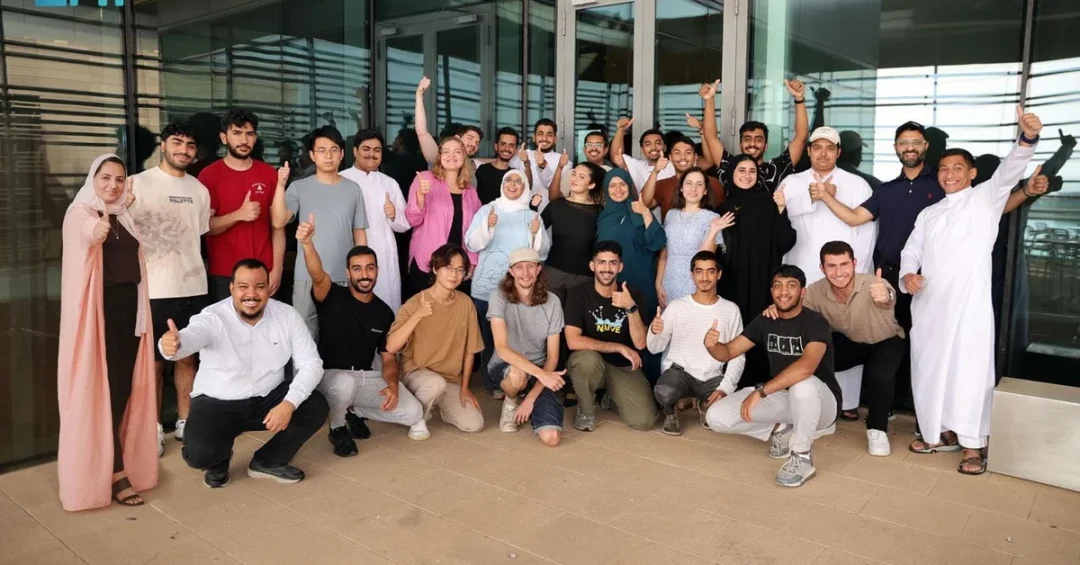
King Abdullah University of Science and Technology (KAUST) has launched its inaugural Master’s program in Technical Innovation and Entrepreneurship (TIE), welcoming 30 talented students, including 18 Saudis, to its campus in Jeddah. The 16-month program, announced by the Saudi Press Agency on September 2, 2024, aims to cultivate a culture of innovation and lifelong learning by equipping students with the knowledge and guidance to transform research innovations into viable, marketable products and services. This initiative marks a significant step in Saudi Arabia’s efforts to foster entrepreneurship and economic diversification in line with Vision 2030.
Context and Background
KAUST, established in 2009, has consistently been at the forefront of scientific research and technological advancement in the Kingdom. The launch of the TIE program reflects the university’s ongoing commitment to bridging the gap between academia and industry. By integrating technical development with entrepreneurial training, the program addresses a critical need identified by experts: many individuals with advanced skills in science and engineering struggle to transition their innovations into successful commercial ventures.
The program is housed at the Sulaiman Al Habib Innovation and Entrepreneurship Institute, KAUST’s advanced business incubator opening this year. This state-of-the-art facility will serve as a hub for collaboration with leading tech companies, incubators, and entrepreneurs, including InnoX Academy, which boasts an 80% startup survival rate and a 15% success rate. The involvement of such partners underscores the program’s practical orientation and its potential to generate real-world impact.
Key Details
The TIE program blends in-depth technical development with entrepreneurial training, allowing students to lead innovative projects and establish startups. The curriculum focuses on project-based learning, providing hands-on experience in diverse technical fields such as design thinking, product design, rapid prototyping, artificial intelligence and machine learning, and robotics. Additionally, students will engage in key entrepreneurial aspects like idea generation, market feasibility analysis, product validation, and business planning.
As part of the program, students will have the opportunity to visit Shenzhen, China, known as the “Silicon Valley of the East.” KAUST has been proactive in establishing connections with Shenzhen’s innovation ecosystem, recognizing the Kingdom’s strategic partnership with China. This international exposure is designed to broaden students’ perspectives and foster global collaborations.
Professor Amer Farouk, Mechanical Engineering Professor and TIE Program Director at KAUST, stated, “This program is an extension of KAUST’s efforts to transform innovations into commercial products and provide an educational environment that empowers individuals to turn great ideas into successful ventures. The TIE program will play a significant role in enhancing innovation in the Kingdom.” Professor Mikael Dubray, an Entrepreneurship Lecturer at KAUST, added that the program aims to address the gap faced by technically skilled individuals by equipping them with the commercial vision needed to support their technical progress.
Implications and Impact
The launch of the TIE program has significant implications for Saudi Arabia’s economic landscape. By nurturing a new generation of entrepreneurially minded technologists, KAUST is contributing to the creation of a knowledge-based economy, a core objective of Vision 2030. The program’s emphasis on public-private partnerships and support for startups and small-to-medium enterprises aligns with national efforts to diversify revenue streams and reduce dependence on oil.
Furthermore, the program’s international collaborations, particularly with Shenzhen’s innovation ecosystem, position Saudi Arabia as a global player in technology and entrepreneurship. This not only enhances the Kingdom’s competitiveness but also attracts foreign investment and talent. The success of the inaugural cohort will be closely watched as a bellwether for future initiatives aimed at fostering innovation.
Vision 2030 Alignment
The TIE program exemplifies KAUST’s dedication to linking academic spheres with industry through global partnerships, contributing to a sustained supply of talent that supports the goals of economic diversification and promising innovations in the Kingdom. It aligns with various initiatives under Saudi Arabia’s Vision 2030, working closely with ministries and industries to inspire students to find innovative solutions to the Kingdom’s most pressing challenges. As Saudi Arabia continues its journey toward a diversified and sustainable economy, programs like this will be instrumental in empowering the next generation of leaders and innovators.
20 Questions
Q1. What is the name of the new Master’s program launched by KAUST?
A1. The program is called the Master’s program in Technical Innovation and Entrepreneurship (TIE).
Q2. How many students are in the inaugural cohort?
A2. The inaugural cohort consists of 30 talented students, including 18 Saudi nationals.
Q3. What is the duration of the TIE program?
A3. The program spans 16 months and combines technical development with entrepreneurial training.
Q4. Where will students receive their education?
A4. Students will study at the Sulaiman Al Habib Innovation and Entrepreneurship Institute, KAUST’s advanced business incubator.
Q5. What technical fields are covered in the curriculum?
A5. The curriculum covers design thinking, product design, rapid prototyping, artificial intelligence, machine learning, and robotics.
Q6. What entrepreneurial aspects are taught?
A6. Students learn idea generation, market feasibility analysis, product validation, and business planning.
Q7. Which international city will students visit as part of the program?
A7. Students will visit Shenzhen, China, known as the “Silicon Valley of the East.”
Q8. Who is the Program Director of the TIE program?
A8. Professor Amer Farouk, a Mechanical Engineering Professor at KAUST, serves as the Program Director.
Q9. What did Professor Farouk say about the program?
A9. He stated that the program extends KAUST’s efforts to transform innovations into commercial products and empowers individuals to turn ideas into successful ventures.
Q10. Who is Professor Mikael Dubray?
A10. Professor Mikael Dubray is an Entrepreneurship Lecturer at KAUST who explained the program’s role in addressing the gap between technical skills and commercial success.
Q11. What is InnoX Academy’s startup survival rate?
A11. InnoX Academy boasts an 80% startup survival rate and a 15% success rate.
Q12. How does the program support public-private partnerships?
A12. The program encourages collaborations with tech companies, incubators, and entrepreneurs, fostering public-private partnerships and supporting startups and SMEs.
Q13. What is the significance of the program for Saudi Arabia’s economy?
A13. It contributes to economic diversification by nurturing entrepreneurially minded technologists and supporting the creation of a knowledge-based economy.
Q14. How does the TIE program align with Vision 2030?
A14. It aligns with Vision 2030 by promoting innovation, economic diversification, and collaboration with ministries and industries to solve national challenges.
Q15. What is the role of the Sulaiman Al Habib Innovation and Entrepreneurship Institute?
A15. It serves as an advanced business incubator where students collaborate with leading tech companies and entrepreneurs.
Q16. What global connections has KAUST established with Shenzhen?
A16. KAUST has established connections with Shenzhen’s innovation ecosystem, recognizing the Kingdom’s strategic partnership with China.
Q17. What percentage of the inaugural cohort are Saudi students?
A17. Eighteen out of the 30 students, or 60%, are Saudi nationals.
Q18. What is the primary goal of the TIE program?
A18. The primary goal is to equip students with the knowledge and guidance to transform research innovations into viable, marketable products and services.
Q19. How does the program foster multidisciplinary expertise?
A19. It integrates technical development with entrepreneurial training, data-driven decision-making, and strategic acumen.
Q20. What does the program aim to inspire in students?
A20. It aims to inspire students to find innovative solutions to the Kingdom’s most pressing challenges and drive impactful innovations.
Reader Feedback
We value your thoughts. Please share your feedback on this article.
Your feedback helps us improve our coverage.
Related articles
 ROSHN and Tarmeem Renew Home Renovation Partnership
 Nmaa Makkah Recruits Volunteers to Serve Pilgrims
 Education Minister Honors Takaful Charity Foundation Partners
 Family Affairs Council Concludes Forum on Family Counseling
 Jeddah University Hosts First Arab Scientific Conference on Family
 Moderate Climate Attracts Visitors to Jeddah Walkways