


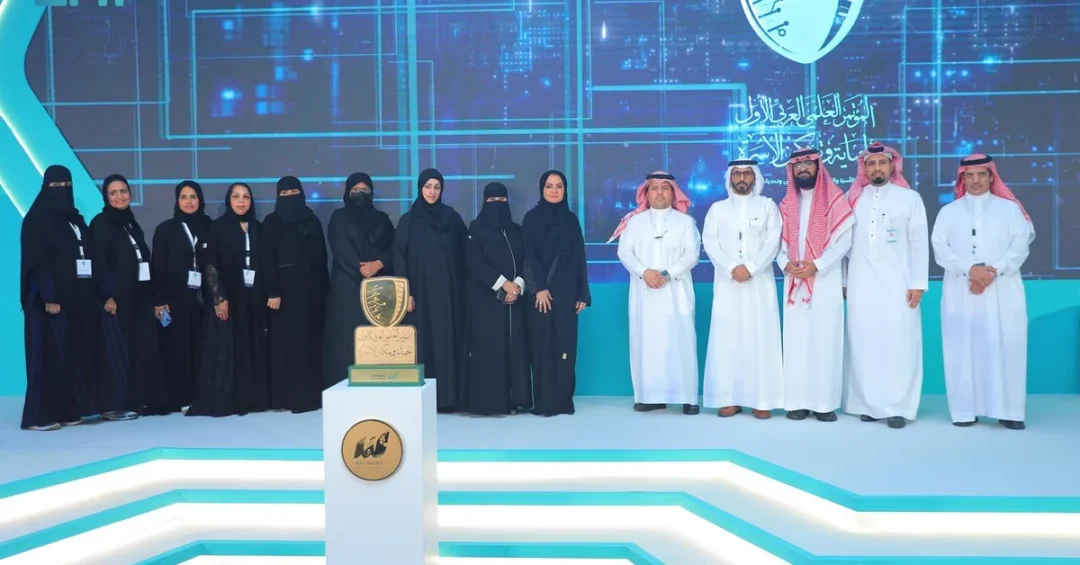
The University of Jeddah successfully hosted the first Arab Scientific Conference on the safeguarding and empowerment of families, held under the theme “Family and Digital Transformation—Opportunities and Challenges,” from September 4-6, 2024. The landmark event, announced by the Saudi Press Agency, brought together more than eight specialized entities and institutions dedicated to supporting and empowering families, drawing over 1,000 attendees from all sectors of society.
Context and Background
The conference aligns with Saudi Arabia’s National Transformation Program, a key initiative of Vision 2030, which seeks to build a vibrant society and a thriving economy. By focusing on the family as the fundamental unit of society and the role of digital transformation, the event addressed a critical intersection of modern life. The University of Jeddah, a prominent academic institution in the Kingdom, organized the three-day conference to facilitate dialogue on how digital advancements can be harmonized with family well-being.
This initiative reflects Saudi Arabia’s broader commitment to leveraging technology for social good while preserving cultural values. It comes as the Kingdom accelerates its digital economy and e-government services, ensuring that families are equipped to navigate the opportunities and challenges of the digital age.
Key Details
The conference featured a series of dialogue sessions and workshops led by specialists and researchers in family studies. Participants examined both the positive and negative effects of digital transformation on individuals, families, and society. Importantly, the discussions yielded practical solutions to evaluate and activate proper handling of the information revolution, emphasizing the potential for positive outcomes.
Over eight specialized entities participated, including government agencies, non-profit organizations, and academic institutions, all focused on family empowerment. The diverse attendance of more than 1,000 individuals from various sectors underscores the widespread interest in this vital topic. The event provided a platform for sharing best practices and developing strategies to support families in the digital era.
Implications and Impact
The outcomes of this conference are expected to inform policies and programs that promote family stability and digital literacy across the Arab world. By addressing the challenges posed by rapid technological change, Saudi Arabia reinforces its leadership in regional social development. The recommendations may influence future initiatives under Vision 2030, particularly those aimed at enhancing quality of life and social cohesion.
Moreover, the conference strengthens collaboration among Arab nations in tackling shared social issues. It positions the University of Jeddah as a hub for research and dialogue on family affairs, contributing to the Kingdom’s knowledge economy and soft power in the region.
Vision 2030 Alignment
This conference directly supports Vision 2030’s objectives of fostering a thriving society and accelerating digital transformation. By safeguarding the family unit and empowering it to harness digital tools responsibly, Saudi Arabia advances its long-term vision of sustainable development and global leadership. The University of Jeddah’s initiative exemplifies how academic institutions can drive positive change and contribute to the Kingdom’s journey toward a brighter future.
20 Questions
Q1. What was the theme of the first Arab Scientific Conference hosted by the University of Jeddah?
A1. The conference was held under the theme “Family and Digital Transformation—Opportunities and Challenges,” focusing on safeguarding and empowering families in the digital age.
Q2. When did the conference take place?
A2. The three-day conference took place from September 4-6, 2024, as reported by the Saudi Press Agency.
Q3. How many entities participated in the conference?
A3. Over eight specialized entities and institutions focused on supporting and empowering families participated in the landmark event.
Q4. How many attendees were present at the conference?
A4. The conference attracted more than 1,000 attendees from all sectors of society, reflecting broad engagement with the topic.
Q5. Which Vision 2030 program is associated with the conference?
A5. The conference aligns with the National Transformation Program, one of Vision 2030’s key initiatives aimed at building a vibrant society.
Q6. What is considered the fundamental unit of society according to the conference?
A6. The family is regarded as the fundamental unit of society, and its empowerment is essential for social stability and progress.
Q7. What aspects of digital transformation were discussed?
A7. The conference examined both the positive and negative effects of digital transformation on individuals, families, and society as a whole.
Q8. What solutions were highlighted at the conference?
A8. Solutions focused on evaluating and activating proper handling of the information revolution, emphasizing the potential for positive outcomes.
Q9. Who participated in the dialogue sessions?
A9. A group of specialists and researchers in the family field led the dialogue sessions and workshops, sharing their expertise.
Q10. What is the significance of the conference for Saudi Arabia?
A10. It reinforces Saudi Arabia’s commitment to family welfare and digital innovation, aligning with Vision 2030 goals for social development.
Q11. How does the conference support Arab cooperation?
A11. By bringing together experts from across the Arab world, it fosters collaboration on shared social challenges and solutions.
Q12. What role does the University of Jeddah play in this initiative?
A12. The university hosted the conference, demonstrating its leadership in academic research and social responsibility.
Q13. What is the expected impact of the conference outcomes?
A13. The outcomes are expected to inform policies and programs that promote family stability and digital literacy regionally.
Q14. How does digital transformation relate to family empowerment?
A14. Digital tools can enhance family life when used responsibly, but they also pose challenges that require careful management.
Q15. What sectors were represented among the attendees?
A15. Attendees came from all sectors of society, including government, academia, non-profits, and the private sector.
Q16. What workshops were conducted during the conference?
A16. Workshops focused on practical strategies for balancing digital technology use with family well-being and cohesion.
Q17. How does the conference align with Saudi Vision 2030?
A17. It directly supports Vision 2030’s objectives of a thriving society and digital transformation, enhancing quality of life.
Q18. What was the duration of the conference?
A18. The conference spanned three days, allowing ample time for in-depth discussions and workshops.
Q19. Who reported on the conference?
A19. The Saudi Press Agency (SPA) reported on the conference, highlighting its key outcomes and participation.
Q20. What future actions might result from the conference?
A20. Future actions may include policy recommendations, family support programs, and continued research on digital transformation’s impact.
Reader Feedback
We value your thoughts. Please share your feedback on this article.
Your feedback helps us improve our coverage.
Related articles
 Moderate Climate Attracts Visitors to Jeddah Walkways
 Quality of Life Program Boosts Hobby Sector in Saudi Arabia
 King Faisal University Welcomes 176 International Students
 Makkah Education Department Marks International Literacy Day
 Saudi Team Wins Two Bronze Medals at IOI 2024
 SEU, Advanced HE Discuss Training and Exchange Partnership