


Jazan Region, nestled in southwestern Saudi Arabia, preserves a rich tapestry of Ramadan traditions that have endured for over a century, as recalled by elderly residents who remember a simpler past of rural living, farming, and communal activities. These customs, passed down through generations, are shared during important social and religious events, particularly Ramadan and Eid al-Fitr, according to the Saudi Press Agency (SPA).
Context and Background
Jazan’s Ramadan heritage reflects the region’s agricultural roots and the resilience of its people. Historically, life in Jazan was characterized by close-knit communities that relied on local farming and animal husbandry. Despite limited resources and the challenges of rural living, residents developed unique customs that emphasized generosity, faith, and family bonds. These traditions have been meticulously preserved by elderly residents, who serve as living repositories of Jazan’s cultural memory. During Ramadan, the holy month of fasting, these customs take on heightened significance, fostering a sense of unity and spiritual reflection across the region.
Key Details
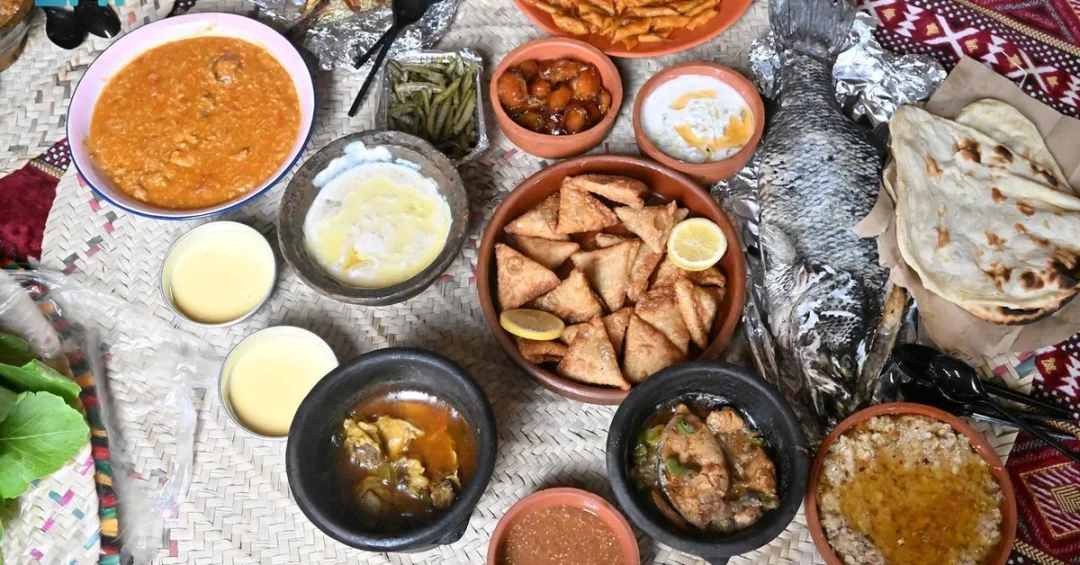
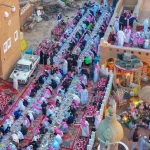
Among Jazan’s distinctive Ramadan practices are its iftar tables, which are adorned with dishes and pottery vessels that have been used for over a century. Historically, the iftar spread featured simple, handcrafted bread made from local agricultural products, accompanied by dairy items such as “qatiba” (yogurt), milk, and traditional dishes like “maghsh” and “mafalt,” which incorporated agricultural and animal products. These meals were not merely sustenance but a celebration of local bounty and communal sharing. Home decoration also played a vital role, with women using natural materials from the region’s mountains and valleys for interior engravings, adding a touch of nature’s beauty to Ramadan festivities.
Traditional games, though less popular with younger generations, remain a cherished link to the past. These games, often played in the evenings after iftar, brought together neighbors and relatives in joyful competition. Additionally, the pre-Ramadan period saw a bustling commercial scene in Jazan, as shoppers flocked to markets to stock up on household supplies and food for the entire month. The long distances between the city of Jizan and neighboring areas made such preparations essential, underscoring the community’s foresight and self-reliance.
Implications and Impact
The endurance of Jazan’s Ramadan traditions holds profound implications for cultural preservation and national identity. In an era of rapid modernization, these customs serve as a bridge between generations, allowing younger Saudis to connect with their heritage. They also enrich the Kingdom’s cultural landscape, offering a unique regional flavor to national celebrations. Moreover, the emphasis on communal solidarity and charity aligns with the broader values of Saudi society, reinforcing social cohesion. As Saudi Arabia continues to open up to the world, such traditions attract cultural tourism, showcasing the Kingdom’s diverse heritage to international visitors.
Vision 2030 Alignment
Jazan’s Ramadan traditions are a testament to the Kingdom’s commitment to preserving cultural heritage under Vision 2030. By documenting and celebrating these customs, Saudi Arabia not only honors its past but also enriches its future, promoting cultural sustainability and national pride. As the Kingdom advances toward a diversified economy and a vibrant society, initiatives that safeguard regional traditions contribute to the quality of life and social well-being of all citizens. The enduring legacy of Jazan’s Ramadan customs exemplifies how heritage and progress can coexist, inspiring a new generation to cherish their roots while embracing the opportunities of tomorrow.
20 Questions
Q1. What is the significance of Jazan’s Ramadan traditions?
A1. Jazan’s Ramadan traditions are a vital part of the region’s cultural heritage, passed down through generations. They reflect the community’s agricultural roots, resilience, and strong social bonds, and they continue to enrich Saudi Arabia’s diverse cultural landscape during the holy month.
Q2. How long have these traditions been preserved?
A2. These traditions have been preserved for over a century. Elderly residents recall a simpler past of rural living, farming, and communal activities, ensuring these customs are passed down through generations during important social and religious events like Ramadan and Eid al-Fitr.
Q3. What are some unique features of Jazan’s iftar tables?
A3. Jazan’s iftar tables are adorned with dishes and pottery vessels used for over a century. They feature simple, handcrafted bread from local agricultural products, dairy items like “qatiba” (yogurt) and milk, and traditional dishes such as “maghsh” and “mafalt.”
Q4. What role do traditional games play in Jazan’s Ramadan?
A4. Traditional games, though less popular with younger generations, play a role in remembering the past. They are often played in the evenings after iftar, bringing together neighbors and relatives in joyful competition, thus strengthening community bonds and preserving cultural heritage.
Q5. How did women contribute to Ramadan decorations in Jazan?
A5. Women used natural materials from the region’s mountains and valleys for interior engravings, adding a touch of nature’s beauty to Ramadan festivities. This practice highlights the creative and resourceful spirit of Jazan’s women in celebrating the holy month.
Q6. Why was pre-Ramadan shopping essential in Jazan?
A6. Pre-Ramadan shopping was essential due to the long distances between the city of Jizan and neighboring areas. Shoppers stocked up on household supplies and food for the entire month, ensuring that families were well-prepared for the holy month’s fasting and celebrations.
Q7. What does the term “qatiba” refer to in Jazan’s cuisine?
A7. “Qatiba” refers to a traditional dairy item, specifically yogurt, that is a staple in Jazan’s iftar meals. It is often served alongside handcrafted bread and other local dishes, contributing to the nutritional and cultural richness of the Ramadan table.
Q8. What are “maghsh” and “mafalt”?
A8. “Maghsh” and “mafalt” are traditional dishes incorporated into Jazan’s iftar meals. They are made from agricultural and animal products, reflecting the region’s reliance on local farming and husbandry, and they add unique flavors to the Ramadan spread.
Q9. How have younger generations engaged with these traditions?
A9. While some traditional games are less popular with younger generations, overall, the youth engage with Ramadan traditions through family gatherings and communal iftars. Efforts to document and share these customs help maintain their relevance and appeal to younger Saudis.
Q10. What is the historical context of rural life in Jazan?
A10. Historically, Jazan was characterized by rural living, farming, and communal activities. Despite challenges and limited resources, residents developed unique customs centered on generosity, faith, and family bonds, which are especially evident during Ramadan and Eid.
Q11. How do Jazan’s Ramadan traditions reflect Saudi values?
A11. These traditions reflect Saudi values of generosity, community solidarity, and faith. The emphasis on sharing iftar, charity, and family unity aligns with the broader societal ethos of the Kingdom, reinforcing social cohesion and cultural identity.
Q12. What is the significance of pottery vessels in Jazan’s iftar?
A12. Pottery vessels used for over a century are not just utilitarian but symbolic of heritage and continuity. They connect modern generations to their ancestors, preserving a tangible link to the past and enhancing the authenticity of the Ramadan experience.
Q13. How does Jazan’s Ramadan heritage contribute to Saudi tourism?
A13. It adds a unique cultural dimension to Saudi tourism, attracting visitors interested in authentic experiences. As the Kingdom opens up, such traditions showcase the diversity of Saudi heritage, supporting Vision 2030 goals of cultural enrichment and economic diversification.
Q14. What role does SPA play in documenting these traditions?
A14. The Saudi Press Agency (SPA) plays a crucial role in documenting and disseminating information about Jazan’s Ramadan traditions, ensuring they are recognized nationally and internationally. This supports cultural preservation and promotes a positive image of Saudi heritage.
Q15. How are these traditions passed down?
A15. They are passed down orally and through practice during social and religious events, particularly Ramadan and Eid al-Fitr. Elderly residents share stories and demonstrate customs to younger generations, ensuring continuity and fostering a sense of pride in local heritage.
Q16. What challenges did Jazan’s residents face historically?
A16. Historically, Jazan’s residents faced challenges such as limited resources, long distances between towns, and the hardships of rural living. These challenges fostered resilience and a strong sense of community, which are reflected in their Ramadan traditions.
Q17. How does Ramadan in Jazan differ from other regions?
A17. Jazan’s Ramadan is distinguished by its unique iftar dishes, century-old pottery, natural home decorations, and traditional games. These elements, rooted in the region’s agricultural past, give Jazan’s celebrations a distinct local flavor within Saudi Arabia’s diverse cultural tapestry.
Q18. What is the significance of communal iftar in Jazan?
A18. Communal iftar strengthens social bonds and fosters a spirit of generosity. It allows families and neighbors to share food and stories, reinforcing unity and mutual support, which are core values during Ramadan and throughout the year in Jazan.
Q19. How do these traditions align with Vision 2030?
A19. They align with Vision 2030 by preserving cultural heritage, promoting social cohesion, and enhancing quality of life. By celebrating regional traditions, Saudi Arabia fosters a vibrant society that values its past while embracing future opportunities.
Q20. What is the future of Jazan’s Ramadan traditions?
A20. The future looks promising as efforts to document and share these traditions continue. Younger generations are increasingly engaged, and cultural tourism may further elevate their profile, ensuring that Jazan’s Ramadan heritage remains a cherished part of Saudi Arabia’s identity for years to come.
Reader Feedback
We value your thoughts. Please share your feedback on this article.
Your feedback helps us improve our coverage.
Related articles
 Alitham Mosque Restoration in AlUla Preserves Centuries of History
 Al-Baha’s Ramadan Nights Festival Lights Up with Heritage and Commerce
 Madinah’s Ramadan Market: A Cultural and Commercial Hub
 Red Sea Labs Opens SeriesLab 2025 Submissions with Film Independent
 Annual Heritage Iftar Event Celebrates Qassim Traditions
 Konoz Initiative Wins Two Platinum Awards at MUSE Creative Awards