


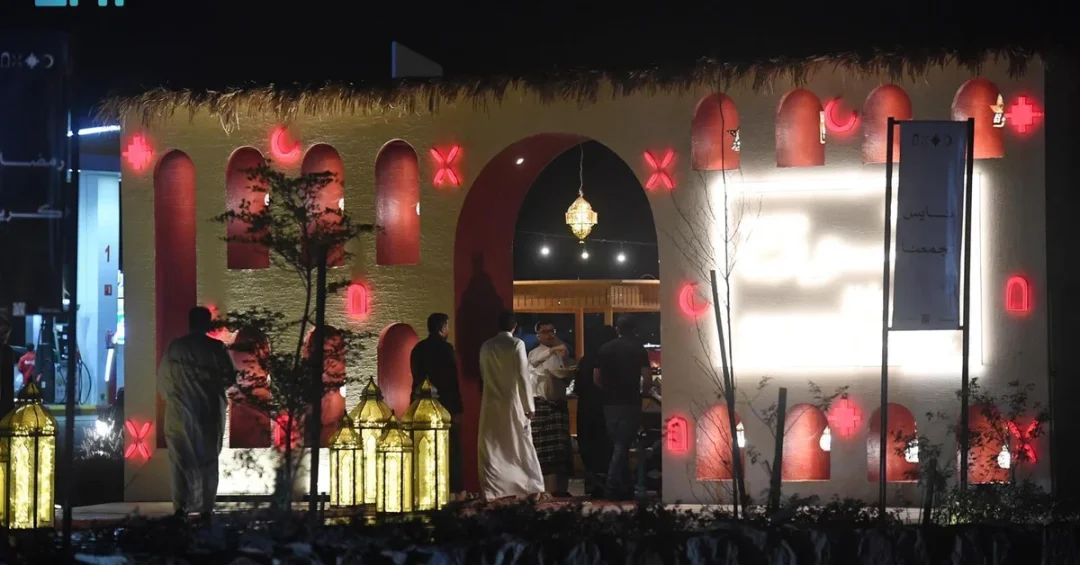
Madinah’s inaugural Ramadan Market, located along Al-Uyun Road with a stunning view of Mount Uhud, has opened its doors, offering a unique cultural and commercial experience that supports local farmers, artisans, and families in the cottage industry. Supervised by the Madinah Municipality, the market showcases handicrafts, agricultural products, and traditional Ramadan goods, providing everything needed for the holy month, from foods and drinks to Eid gifts and supplies. Visitors can immerse themselves in the distinctive Ramadan atmosphere while celebrating the region’s rich cultural heritage.
Context and Background
The Ramadan Market in Madinah represents a significant addition to the city’s seasonal offerings, aligning with the Kingdom’s efforts to promote cultural heritage and support local economies. Madinah, known as the City of the Prophet, holds immense religious and historical significance, attracting millions of visitors annually, especially during Ramadan. The market’s establishment reflects a broader initiative by Saudi authorities to enhance the pilgrimage experience and provide diverse economic opportunities for residents.
This initiative is part of a larger strategy to boost domestic tourism and empower small-scale producers, in line with the principles of Saudi Vision 2030. By creating a platform for local artisans and farmers, the market not only preserves traditional crafts but also stimulates economic activity within the community.
Key Details
The market is situated along Al-Uyun Road, offering a picturesque backdrop of Mount Uhud, a site of historical importance. It operates under the supervision of the Madinah Municipality, ensuring adherence to quality and safety standards. The market features a wide array of products, including traditional Ramadan foods and beverages, handmade crafts, agricultural produce, and Eid gifts. This diverse offering caters to the needs of both residents and visitors, enhancing their Ramadan experience.
Local farmers and artisans have been given a dedicated space to display and sell their goods, which helps sustain their livelihoods and promotes the cottage industry. The market also serves as a social hub, where families can gather and enjoy the festive atmosphere. The Madinah Municipality has emphasized that the market is designed to reflect the region’s cultural identity and to provide a welcoming environment for all.
Implications and Impact
The Ramadan Market is expected to have a positive impact on the local economy by increasing foot traffic and generating sales for small businesses. It also enhances Madinah’s appeal as a destination for cultural tourism, attracting visitors from within Saudi Arabia and abroad. The market’s emphasis on local products supports the sustainability of traditional crafts and agricultural practices, which are integral to the region’s heritage.
Furthermore, the market fosters community cohesion by bringing together people from diverse backgrounds to celebrate the holy month. It provides an opportunity for cultural exchange and understanding, reinforcing the values of generosity and hospitality that are central to Ramadan. The success of this inaugural market could pave the way for similar initiatives in other cities, further enriching Saudi Arabia’s cultural landscape.
Vision 2030 Alignment
The establishment of the Ramadan Market in Madinah is closely aligned with Saudi Vision 2030, which aims to diversify the economy, empower small and medium enterprises, and promote cultural heritage. By supporting local farmers and artisans, the market contributes to economic diversification and job creation, key objectives of the Vision. Additionally, it enhances the quality of life for residents and visitors by offering unique cultural experiences, in line with the Vision’s goal of fostering a vibrant society.
This initiative also complements efforts to boost tourism and showcase the Kingdom’s rich cultural heritage to the world. As Saudi Arabia continues to open up and attract international visitors, platforms like the Ramadan Market play a vital role in presenting a positive image of the country and its commitment to preserving traditions while embracing modernity.
20 Questions
Q1. What is the Ramadan Market in Madinah?
A1. The Ramadan Market is a first-of-its-kind seasonal market in Madinah, supervised by the Madinah Municipality. It offers traditional Ramadan foods, crafts, and agricultural products, supporting local farmers and artisans while providing a unique cultural experience for visitors.
Q2. Where is the Ramadan Market located?
A2. The market is located along Al-Uyun Road in Madinah, offering a breathtaking view of Mount Uhud. This strategic location enhances the visitor experience by combining commercial activity with the city’s historical and religious significance.
Q3. Who supervises the Ramadan Market?
A3. The market is supervised by the Madinah Municipality, which ensures that all activities comply with quality and safety standards. This oversight guarantees a well-organized and secure environment for both vendors and visitors.
Q4. What types of products are available at the market?
A4. The market features a diverse range of products, including traditional Ramadan foods and drinks, handmade handicrafts, agricultural produce, Eid gifts, and supplies. This variety caters to the needs of visitors during the holy month.
Q5. How does the market support local farmers and artisans?
A5. By providing a dedicated space for local farmers and artisans to showcase and sell their goods, the market helps sustain their livelihoods and promotes the cottage industry. This support is essential for preserving traditional crafts and agricultural practices.
Q6. What is the significance of Mount Uhud in relation to the market?
A6. Mount Uhud is a historically significant site in Madinah, and its proximity adds to the market’s appeal. Visitors can enjoy the scenic view while engaging in the market’s cultural and commercial activities, enriching their overall experience.
Q7. How does the market contribute to the local economy?
A7. The market stimulates the local economy by attracting visitors and generating sales for small businesses. It creates economic opportunities for residents and supports the growth of the cottage industry, aligning with national economic diversification goals.
Q8. What is the cultural significance of the Ramadan Market?
A8. The market celebrates Madinah’s rich cultural heritage by showcasing traditional crafts, foods, and customs. It provides a platform for cultural exchange and helps preserve the region’s identity for future generations.
Q9. Is the market only for locals or does it attract tourists?
A9. The market welcomes both locals and tourists, offering a unique cultural experience for all. It enhances Madinah’s appeal as a destination for cultural tourism, attracting visitors from within Saudi Arabia and abroad.
Q10. How does the market align with Saudi Vision 2030?
A10. The market aligns with Vision 2030 by supporting small and medium enterprises, promoting cultural heritage, and enhancing quality of life. It contributes to economic diversification and showcases the Kingdom’s commitment to preserving traditions while embracing modernity.
Q11. What are the operating hours of the Ramadan Market?
A11. While specific operating hours may vary, the market is typically open throughout Ramadan, including daytime and evening hours, to accommodate visitors’ schedules. It is busiest in the evenings when families gather for Iftar and shopping.
Q12. Are there any entry fees for the market?
A12. Entry to the Ramadan Market is generally free, allowing everyone to enjoy the festive atmosphere. Visitors can purchase products directly from vendors, supporting local businesses without any additional entrance costs.
Q13. What health and safety measures are in place at the market?
A13. The Madinah Municipality supervises the market to ensure compliance with health and safety standards. Measures include regular inspections, sanitation protocols, and crowd management to provide a safe environment for all visitors.
Q14. Can visitors find traditional Ramadan foods at the market?
A14. Yes, the market offers a variety of traditional Ramadan foods and drinks, such as dates, sweets, and juices. These items are essential for Iftar and Suhoor, allowing visitors to experience authentic local flavors.
Q15. How does the market promote the cottage industry?
A15. The market provides a platform for families and individuals working in the cottage industry to sell their handmade products. This support helps sustain small-scale production and preserves traditional skills.
Q16. Are there any cultural performances or events at the market?
A16. The market may host cultural performances and events that showcase local traditions, such as music, dance, and storytelling. These activities enhance the festive atmosphere and provide entertainment for visitors.
Q17. How can vendors participate in the Ramadan Market?
A17. Vendors interested in participating can contact the Madinah Municipality for registration details. Priority is often given to local farmers and artisans to ensure community benefit and cultural authenticity.
Q18. What makes the Ramadan Market unique compared to other markets?
A18. The market’s unique location near Mount Uhud, combined with its focus on local products and cultural heritage, sets it apart. It offers a distinctive Ramadan experience that blends commerce with spirituality and tradition.
Q19. Does the market support sustainable practices?
A19. Yes, by promoting local agricultural products and handmade crafts, the market encourages sustainable practices. It reduces the carbon footprint associated with transporting goods and supports the local economy.
Q20. What are the future plans for the Ramadan Market?
A20. The success of this inaugural market may lead to it becoming an annual event. Future plans could include expanding the market, adding more vendors, and introducing new cultural activities to enhance the visitor experience.
Reader Feedback
We value your thoughts. Please share your feedback on this article.
Your feedback helps us improve our coverage.
Related articles
 Red Sea Labs Opens SeriesLab 2025 Submissions with Film Independent
 Annual Heritage Iftar Event Celebrates Qassim Traditions
 Konoz Initiative Wins Two Platinum Awards at MUSE Creative Awards
 Crown Prince Launches Saudi Architecture Map
 Al-Balad Ramadan Market Revives Traditional Games in Jazan
 Ramadan Lights Transform Historic Zubaida Trail in Rafha