


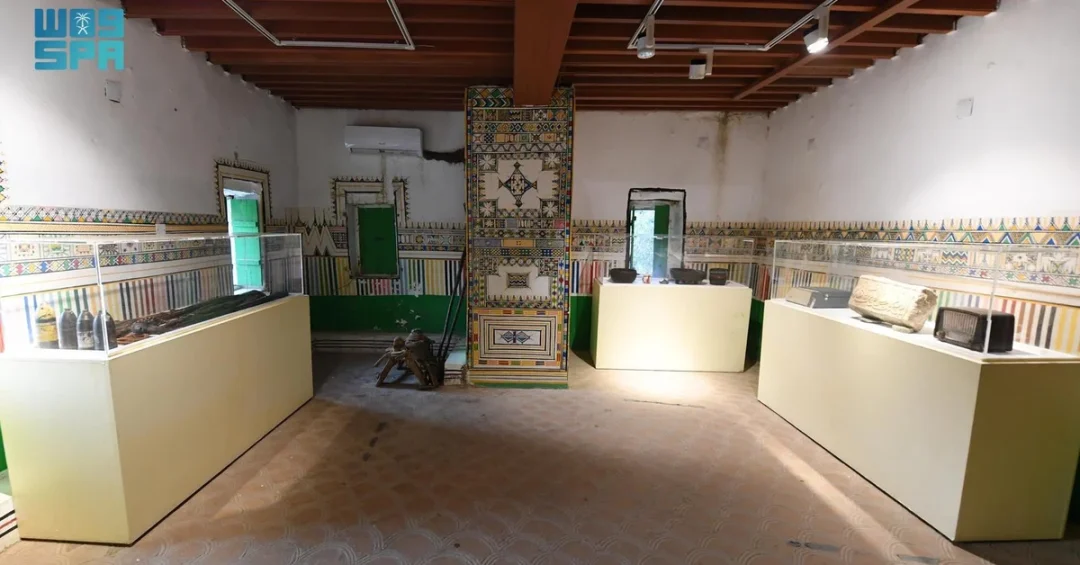
The Aseer region has been named the leading destination for cultural tourism in the Kingdom, according to the 2023 Report on the State of Culture in the Kingdom of Saudi Arabia, recently published by the Ministry of Culture. The report highlights that Aseer attracted over 541,544 local trips to museums and art galleries last year, underscoring its growing appeal as a hub for cultural heritage and artistic expression.
Context and Background
The 2023 Report on the State of Culture, issued by the Ministry of Culture, provides a comprehensive analysis of the cultural sector’s economic impact and regional dynamics. It reveals that cultural tourism in Saudi Arabia has witnessed substantial growth, with the total number of local and visiting tourists participating in cultural activities reaching approximately 35.2 million in 2023, up from 22.9 million in 2022. Inbound cultural tourism saw even more remarkable expansion, with 13.77 million visitors, a 145% increase from the previous year. This surge is attributed to regulatory reforms, including the introduction of tourism and visitor visa regulations, and the development and rehabilitation of historical sites across the Kingdom.
Aseer’s Cultural Assets
Aseer’s ascendance in cultural tourism is driven by its unique offerings, particularly the growing number of private museums and cultural centers that showcase Al-Qatt Al-Asiri, the region’s traditional interior wall decoration, as well as traditional crafts and honey production. These assets have positioned Aseer as a leading cultural destination, with its distinctive southern heritage attracting visitors seeking authentic experiences. The cultural tourism index, which measures the economic impact of cultural activities on tourism, shows that Aseer’s market share for local and incoming tourist trips that included cultural activities reached 45%, second only to the Al-Baha region.
Key Details and Figures
The report indicates that Aseer hosted over 541,544 local trips to museums and art galleries in 2023, reflecting the region’s success in leveraging its cultural wealth. The Ministry of Culture emphasizes that such cultural tourism not only boosts local economies but also preserves and promotes Saudi heritage. The growth in cultural tourism aligns with national efforts to diversify the economy and enhance the Kingdom’s global standing as a cultural hub. The report also notes that the development of historical sites and the introduction of visitor visas have been pivotal in facilitating this growth.
Implications and Impact
The rise of Aseer as a cultural tourism leader has significant implications for Saudi Arabia’s tourism sector and regional development. It demonstrates the potential of cultural assets to drive economic diversification and job creation, in line with the goals of Vision 2030. The increased visibility of Aseer’s heritage, including Al-Qatt Al-Asiri, which is inscribed on UNESCO’s Representative List of the Intangible Cultural Heritage of Humanity, enhances the Kingdom’s cultural diplomacy and attracts international visitors. Moreover, the success of Aseer serves as a model for other regions to develop their cultural tourism offerings, fostering balanced regional growth.
Vision 2030 Alignment
This development is closely tied to Vision 2030, Saudi Arabia’s strategic framework to diversify the economy and promote cultural enrichment. By investing in cultural tourism, the Kingdom aims to increase the sector’s contribution to GDP and create sustainable employment opportunities. The recognition of Aseer’s cultural tourism indicators underscores the effectiveness of these efforts and reinforces Saudi Arabia’s commitment to preserving its heritage while welcoming the world. As the Kingdom continues to develop its cultural infrastructure, regions like Aseer will play a vital role in showcasing the nation’s rich history and vibrant contemporary culture, further advancing the goals of Vision 2030.
20 Questions
Q1. What report named Aseer as the top destination for cultural tourism in Saudi Arabia?
A1. The 2023 Report on the State of Culture in the Kingdom of Saudi Arabia, published by the Ministry of Culture, named Aseer as the top destination for cultural tourism.
Q2. How many local trips to museums and art galleries did Aseer attract in 2023?
A2. Aseer attracted over 541,544 local trips to museums and art galleries in 2023, according to the report.
Q3. What is Al-Qatt Al-Asiri?
A3. Al-Qatt Al-Asiri is a traditional interior wall decoration art form from the Aseer region, recognized by UNESCO as intangible cultural heritage.
Q4. What other cultural offerings is Aseer known for?
A4. Aseer is known for its traditional crafts, honey production, and distinctive southern heritage, which attract cultural tourists.
Q5. What was Aseer’s market share for tourist trips including cultural activities?
A5. Aseer’s market share for local and incoming tourist trips that included cultural activities reached 45%, second only to the Al-Baha region.
Q6. How many tourists participated in cultural activities in Saudi Arabia in 2023?
A6. Approximately 35.2 million local and visiting tourists participated in cultural activities in Saudi Arabia in 2023.
Q7. How does this compare to 2022?
A7. In 2022, the number was 22.9 million, showing a substantial increase in 2023.
Q8. How many inbound cultural tourists did Saudi Arabia receive in 2023?
A8. Saudi Arabia received 13.77 million inbound cultural tourists in 2023, a 145% increase from the previous year.
Q9. What factors contributed to the growth in cultural tourism?
A9. Regulatory reforms, including tourism and visitor visa regulations, and the development and rehabilitation of historical sites contributed to the growth.
Q10. Which ministry published the report?
A10. The Ministry of Culture published the 2023 Report on the State of Culture in the Kingdom of Saudi Arabia.
Q11. What does the cultural tourism index measure?
A11. The cultural tourism index measures the economic impact of cultural activities on tourism.
Q12. How does Aseer’s cultural tourism success benefit the local economy?
A12. It boosts local economies by attracting visitors, creating jobs, and supporting cultural preservation and promotion.
Q13. What role do private museums play in Aseer’s cultural tourism?
A13. Private museums and cultural centers showcase Al-Qatt Al-Asiri, traditional crafts, and honey production, enhancing the region’s appeal to cultural tourists.
Q14. How does Aseer’s success align with Vision 2030?
A14. It aligns with Vision 2030 by diversifying the economy, promoting cultural heritage, and creating employment opportunities in the tourism sector.
Q15. What is the significance of Al-Qatt Al-Asiri being UNESCO-recognized?
A15. UNESCO recognition highlights the global importance of this art form, attracting international visitors and enhancing cultural diplomacy.
Q16. Which region ranked second to Aseer in market share for cultural tourism trips?
A16. The Al-Baha region ranked first, with Aseer second, in market share for cultural tourism trips.
Q17. What types of cultural activities are popular in Aseer?
A17. Popular activities include visiting museums and art galleries, experiencing Al-Qatt Al-Asiri, traditional crafts, and honey production.
Q18. How has the development of historical sites impacted cultural tourism?
A18. The development and rehabilitation of historical sites have made them more accessible and appealing to tourists, boosting cultural tourism.
Q19. What are the future prospects for cultural tourism in Aseer?
A19. With continued investment and promotion, Aseer is expected to further grow as a cultural destination, contributing to Saudi Arabia’s tourism goals.
Q20. How does cultural tourism contribute to Saudi Arabia’s global image?
A20. It showcases the Kingdom’s rich heritage and modern development, enhancing its global image as a diverse and welcoming destination.
Reader Feedback
We value your thoughts. Please share your feedback on this article.
Your feedback helps us improve our coverage.
Related articles
 Second Umrah and Tourism Exhibition Opens in Tunisia
 Saudi Red Sea Authority Issues First Yacht Regulations
 Saudi Tourism Ministry Wins Best Communication Award at SGCA 2024
 King Khalid Royal Reserve Hosts Wilderness Life Support Training
 Al-Ardah: Jazan’s Natural Oasis After Rains
 SPA Captures Celestial Beauty of Hasma Desert