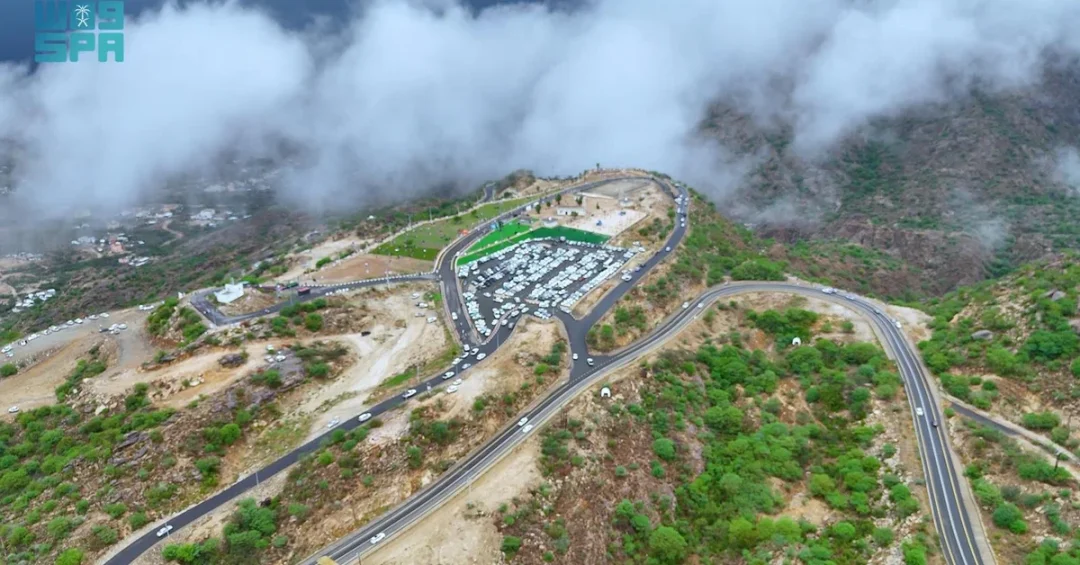
Al-Ardah Governorate, located 60 kilometers east of Jazan, has emerged as a premier natural destination following recent heavy rains that transformed its mountains, plains, and valleys into a vibrant green oasis. According to the Saudi Press Agency (SPA), the area’s lush forests, flowing streams, and mist-covered peaks now attract nature lovers, adventure seekers, and photographers from across the Kingdom and beyond. This seasonal transformation highlights the region’s unique ecological richness and its growing role in Saudi Arabia’s tourism landscape, aligned with the Kingdom’s Vision 2030 goals to diversify the economy and promote sustainable tourism.
Context and Background
Al-Ardah Governorate is part of the Jazan region, which lies in the southwestern corner of Saudi Arabia, bordering the Red Sea and Yemen. The region is known for its dramatic topography, including the Sarawat Mountains, fertile plains, and coastal areas. Jazan’s climate is influenced by monsoon rains, typically from June to September, which bring heavy precipitation to the highlands. These rains replenish groundwater, sustain agriculture, and create temporary waterfalls and streams that become focal points for eco-tourism. Al-Ardah, in particular, has become a hotspot for domestic tourism, offering a respite from the urban heat and a chance to experience Saudi Arabia’s natural heritage.
Key Details
The recent downpours have revived Al-Ardah’s landscapes, turning valleys into flowing rivers and coating hillsides in verdant vegetation. The mist that often blankets the area adds a mystical quality, making it ideal for photography and relaxation. Visitors can explore terraced farms, traditional villages, and hiking trails that showcase the region’s biodiversity. The Saudi Press Agency reports that local authorities have enhanced infrastructure, including roads and rest areas, to accommodate the influx of tourists. The area’s appeal is not limited to natural beauty; it also offers cultural experiences, such as sampling local coffee and honey, which are staples of Jazan’s agricultural output.
Implications and Impact
The rise of Al-Ardah as a tourist destination has significant implications for Jazan’s economy and Saudi Arabia’s broader tourism strategy. It creates job opportunities in hospitality, guiding, and retail, while also supporting local farmers and artisans. The influx of visitors promotes cultural exchange and showcases the Kingdom’s commitment to preserving its environment. Moreover, Al-Ardah’s growing popularity aligns with the Saudi National Tourism Strategy, which aims to attract 100 million visitors annually by 2030. By diversifying attractions beyond major cities, Saudi Arabia can distribute tourism benefits across regions, fostering balanced development and community empowerment.
Vision 2030 Alignment
Al-Ardah’s emergence as a natural oasis directly supports Saudi Vision 2030, which seeks to diversify the economy away from oil and enhance the quality of life for citizens and residents. The development of eco-tourism in Jazan is part of a larger effort to promote sustainable practices, protect natural resources, and create memorable experiences for visitors. As the Kingdom continues to invest in infrastructure and destination management, areas like Al-Ardah will play a vital role in positioning Saudi Arabia as a global tourism hub, while preserving its rich environmental and cultural heritage for future generations.
20 Questions
Q1. Where is Al-Ardah Governorate located?
A1. Al-Ardah Governorate is situated 60 kilometers east of Jazan city in southwestern Saudi Arabia, within the Jazan region.
Q2. What natural features is Al-Ardah known for?
A2. It is known for its mountains, plains, lush forests, and flowing valleys, offering diverse scenic landscapes.
Q3. Why has Al-Ardah become especially attractive recently?
A3. Recent heavy rains have turned the area vibrant green, filled valleys with flowing water, and created misty vistas, enhancing its beauty.
Q4. What activities can visitors enjoy in Al-Ardah?
A4. Visitors can engage in hiking, photography, nature walks, and exploring traditional villages and terraced farms.
Q5. How does Al-Ardah contribute to Saudi tourism?
A5. It diversifies tourism offerings, attracts domestic and international visitors, and supports the Kingdom’s goal to boost tourism’s economic share.
Q6. What is the climate like in Al-Ardah?
A6. The region experiences a semi-arid climate with monsoon influence, bringing heavy rains from June to September, which nourish the landscape.
Q7. Are there any infrastructure developments in Al-Ardah?
A7. Yes, local authorities have improved roads and rest areas to accommodate tourists and ensure a comfortable visit.
Q8. What cultural experiences does Al-Ardah offer?
A8. Visitors can sample local coffee and honey, and learn about Jazan’s agricultural traditions and crafts.
Q9. How does Al-Ardah support Vision 2030?
A9. It aligns with Vision 2030 by promoting eco-tourism, creating jobs, and diversifying the economy away from oil dependence.
Q10. Who reported on Al-Ardah’s natural beauty?
A10. The Saudi Press Agency (SPA) highlighted Al-Ardah’s appeal as a tourist destination following recent rains.
Q11. What makes Al-Ardah ideal for photography?
A11. The contrast of green vegetation, flowing streams, and misty mountains provides stunning backdrops for photographers.
Q12. Is Al-Ardah suitable for adventure seekers?
A12. Yes, its rugged terrain and valleys offer opportunities for hiking, trekking, and exploring off-road trails.
Q13. How does Al-Ardah benefit the local community?
A13. It generates income through tourism-related jobs, supports local farmers, and encourages preservation of cultural heritage.
Q14. What is the significance of the recent rains?
A14. The rains have revived the landscape, replenished water sources, and created seasonal attractions like waterfalls and streams.
Q15. Can visitors experience traditional Saudi hospitality in Al-Ardah?
A15. Yes, local communities welcome guests with traditional coffee, honey, and warm hospitality typical of the Jazan region.
Q16. What role does Al-Ardah play in Saudi Arabia’s tourism strategy?
A16. It helps achieve the National Tourism Strategy’s aim to attract 100 million visitors annually by 2030 through diverse destinations.
Q17. Are there any conservation efforts in Al-Ardah?
A17. Authorities promote sustainable tourism practices to protect the natural environment and preserve biodiversity for future generations.
Q18. How accessible is Al-Ardah from major cities?
A18. Al-Ardah is accessible via paved roads from Jazan city, with ongoing improvements to facilitate travel for tourists.
Q19. What types of flora and fauna can be found in Al-Ardah?
A19. The area hosts diverse plant life, including acacia trees and endemic species, along with birds and small mammals.
Q20. Why is Al-Ardah considered a natural oasis?
A20. Its lush greenery, flowing valleys, and refreshing climate create a serene escape, making it a standout natural destination in Jazan.
Reader Feedback
We value your thoughts. Please share your feedback on this article.
Your feedback helps us improve our coverage.