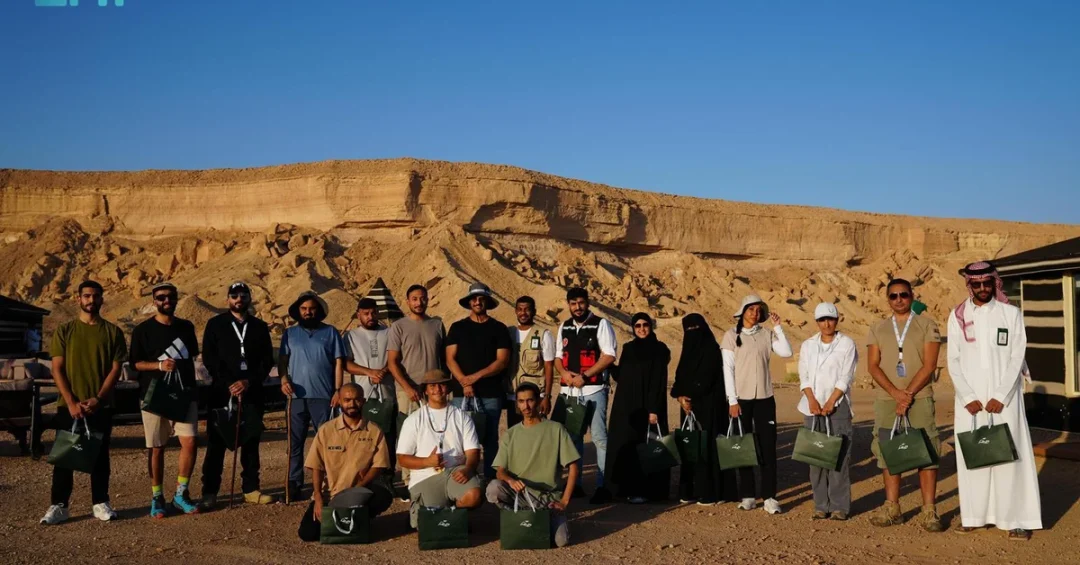
The Imam Abdulaziz bin Mohammed Royal Reserve Development Authority and the Saudi Climbing and Hiking Federation recently completed a wilderness life support training course at King Khalid Royal Reserve, equipping more than 20 participants with essential skills to provide immediate medical care in remote and challenging environments. The initiative, announced by the Saudi Press Agency, underscores the Kingdom’s commitment to promoting outdoor recreation while ensuring the safety of adventurers exploring Saudi Arabia’s natural landscapes.
Context and Background
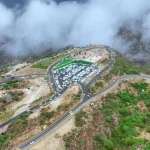
King Khalid Royal Reserve, one of Saudi Arabia’s protected natural areas, has become a hub for outdoor activities, attracting climbers, hikers, and nature enthusiasts. As part of the Kingdom’s broader efforts to develop eco-tourism and diversify recreational offerings under Vision 2030, the need for trained first responders in remote areas has grown. The collaboration between the Imam Abdulaziz bin Mohammed Royal Reserve Development Authority and the Saudi Climbing and Hiking Federation reflects a proactive approach to safety, ensuring that participants can enjoy the reserve’s rugged terrain with confidence.
Key Details
The training course covered a comprehensive range of critical skills. Participants learned injury assessment, cardiopulmonary resuscitation (CPR), wound treatment, and first aid for common outdoor emergencies such as suffocation, burns, fractures, heat stress, and sunstroke. Through field exercises and simulations replicating real-life scenarios, they gained hands-on experience in using basic medical equipment in natural settings. This practical approach empowers individuals to respond effectively when professional medical help is not immediately available.
Implications and Impact
This initiative has significant implications for Saudi Arabia’s growing adventure tourism sector. By enhancing the safety capabilities of climbers and hikers, the Kingdom is building a resilient outdoor community capable of managing risks. It also positions Saudi Arabia as a responsible destination for international adventurers, aligning with global best practices in wilderness safety. The training fosters a culture of preparedness and self-reliance, which is essential as more people explore the Kingdom’s diverse landscapes.
Vision 2030 Alignment
This training course directly supports Vision 2030 goals of enhancing quality of life, promoting tourism, and empowering citizens. By investing in safety education, Saudi Arabia ensures that its natural reserves can be enjoyed sustainably and securely, contributing to the growth of domestic and international tourism. The initiative exemplifies the Kingdom’s dedication to creating world-class recreational opportunities while prioritizing the well-being of its people and visitors.
20 Questions
Q1. What organizations conducted the wilderness life support training?
A1. The Imam Abdulaziz bin Mohammed Royal Reserve Development Authority and the Saudi Climbing and Hiking Federation conducted the training at King Khalid Royal Reserve.
Q2. How many participants took part in the course?
A2. Over 20 participants attended the training course, learning essential skills for providing immediate medical care in remote environments.
Q3. Where did the training take place?
A3. The training was held at King Khalid Royal Reserve, a protected natural area in Saudi Arabia known for its outdoor recreational opportunities.
Q4. What skills were taught in the course?
A4. Participants learned injury assessment, CPR, wound treatment, and first aid for emergencies like suffocation, burns, fractures, heat stress, and sunstroke.
Q5. How did participants practice their skills?
A5. They engaged in field exercises and simulations designed to replicate real-life scenarios, gaining hands-on experience in natural settings.
Q6. Why is this training important for climbers and hikers?
A6. It equips them to respond effectively to medical emergencies in remote areas where professional help may not be immediately available.
Q7. What is the significance of King Khalid Royal Reserve?
A7. It is a key protected area that supports biodiversity and offers recreational activities, contributing to Saudi Arabia’s eco-tourism efforts.
Q8. How does this initiative align with Vision 2030?
A8. It supports Vision 2030 by enhancing quality of life, promoting tourism, and ensuring safety in outdoor activities, aligning with broader diversification goals.
Q9. Who benefits from this training?
A9. Climbers, hikers, and outdoor enthusiasts benefit, as do future visitors to the reserve who can enjoy a safer environment.
Q10. What equipment were participants trained to use?
A10. They received instruction on using basic medical equipment in natural settings, enabling them to provide first aid effectively.
Q11. How does this training impact Saudi Arabia’s tourism sector?
A11. It enhances safety standards, making Saudi Arabia a more attractive destination for adventure tourism and boosting confidence among international visitors.
Q12. What types of emergencies were covered?
A12. The course covered common outdoor emergencies including suffocation, burns, fractures, heat stress, and sunstroke, among others.
Q13. Is this training part of a larger program?
A13. Yes, it reflects ongoing efforts by Saudi authorities to develop safe and sustainable outdoor recreation under Vision 2030.
Q14. How does CPR training help in wilderness settings?
A14. CPR can be life-saving in remote areas where response times are longer, providing critical support until professional medical help arrives.
Q15. What is the Saudi Climbing and Hiking Federation?
A15. It is a national organization dedicated to promoting climbing and hiking activities in Saudi Arabia and ensuring safety standards.
Q16. What role does the Imam Abdulaziz bin Mohammed Royal Reserve Development Authority play?
A16. It manages and develops the reserve, focusing on conservation, recreation, and community engagement in line with Vision 2030.
Q17. Will more training courses be offered in the future?
A17. While specific plans are not detailed, such initiatives are expected to continue as part of Saudi Arabia’s commitment to outdoor safety and tourism development.
Q18. How does this training benefit the local community?
A18. It builds local capacity in emergency response, creates opportunities for outdoor enthusiasts, and supports the growth of sustainable tourism.
Q19. What is the broader impact on Saudi Arabia’s international image?
A19. It showcases the Kingdom’s dedication to safety and innovation in tourism, enhancing its reputation as a responsible and modern destination.
Q20. How can interested individuals participate in similar courses?
A20. They can follow announcements from the Saudi Climbing and Hiking Federation and the Imam Abdulaziz bin Mohammed Royal Reserve Development Authority for future training opportunities.
Reader Feedback
We value your thoughts. Please share your feedback on this article.
Your feedback helps us improve our coverage.