


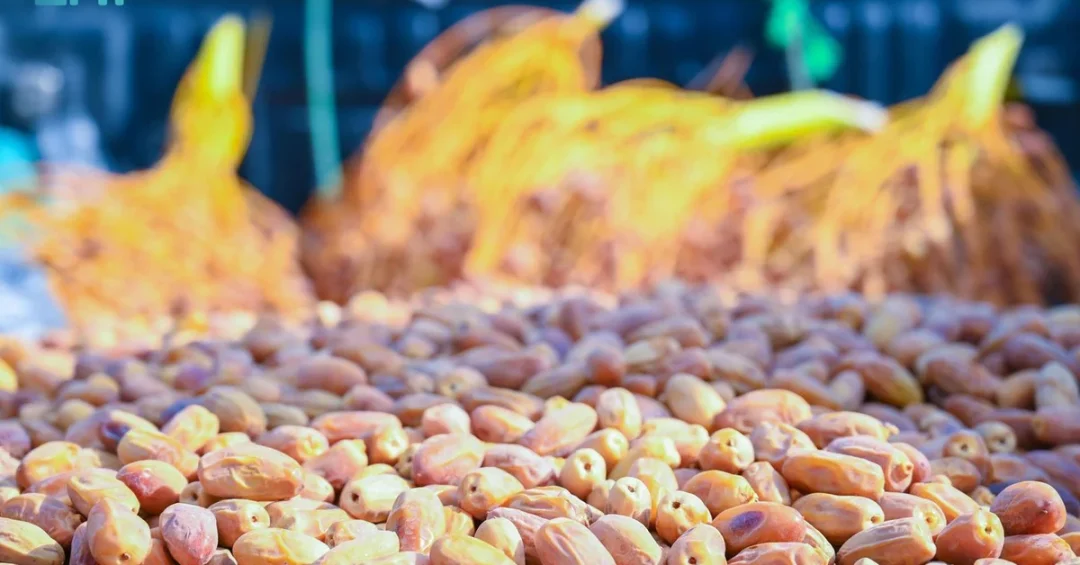
The first Najran Dates Festival, organized by the Ministry of Environment, Water and Agriculture, concluded successfully yesterday in Najran, drawing a significant turnout of citizens and residents who engaged with its diverse activities and pavilions. The festival highlighted the region’s rich agricultural heritage and showcased the finest varieties of Najran dates, reinforcing the Kingdom’s commitment to sustainable agriculture and rural development.
Context and Background
Najran, located in southwestern Saudi Arabia, is renowned for its fertile lands and date palm cultivation, producing some of the finest dates in the Kingdom. The Ministry of Environment, Water and Agriculture organized the festival as part of its efforts to support local farmers and promote agricultural tourism. The event aligns with Saudi Vision 2030’s goals to diversify the economy and boost non-oil sectors, including agriculture and tourism.
Key Details
The festival featured a farmers’ production area where genuine Najran dates of various varieties were displayed, allowing visitors to learn about the cultivation and harvesting processes. Government and private entities, including the Saudi Reef program, participated, offering support and resources to local farmers. A series of seminars and workshops provided knowledge on sustainable farming practices, date palm care, and marketing strategies. The event also served as a platform for commercial organizations to showcase agricultural innovations and products.
Implications and Impact
The successful conclusion of the Najran Dates Festival underscores the Kingdom’s dedication to empowering local communities and enhancing agricultural productivity. By bringing together farmers, government agencies, and private companies, the festival fostered collaboration and knowledge exchange. It also promoted Najran as a tourist destination, attracting visitors interested in cultural and agricultural experiences. This initiative is expected to boost the local economy, create job opportunities, and preserve traditional farming heritage.
Vision 2030 Alignment
This festival exemplifies Saudi Vision 2030’s focus on sustainable development and economic diversification. By supporting the agricultural sector and promoting local products, the Kingdom aims to achieve food security, increase non-oil revenues, and enhance the quality of life for its citizens. The Najran Dates Festival is a testament to Saudi Arabia’s rich cultural heritage and its forward-looking approach to development, contributing to the success of Vision 2030.
20 Questions
Q1. What was the first Najran Dates Festival?
A1. The first Najran Dates Festival was an event organized by the Ministry of Environment, Water and Agriculture to showcase Najran’s date varieties and support local farmers. It included exhibitions, seminars, and workshops, and concluded successfully with a notable turnout of citizens and residents.
Q2. Who organized the Najran Dates Festival?
A2. The festival was organized by the Ministry of Environment, Water and Agriculture, with participation from various government and commercial organizations, including the Saudi Reef program, reflecting a collaborative effort to promote agriculture.
Q3. Where was the festival held?
A3. The festival was held in Najran, a region in southwestern Saudi Arabia known for its date palm cultivation. The location highlighted the area’s agricultural significance and attracted visitors from across the Kingdom.
Q4. When did the festival conclude?
A4. The festival concluded successfully yesterday, as reported by the Saudi Press Agency. It ran for a period that allowed ample participation and engagement from visitors and exhibitors.
Q5. What were the main components of the festival?
A5. The festival featured a farmers’ production area displaying genuine Najran dates of different varieties, government and private entity pavilions, the Saudi Reef presence, and a range of seminars and workshops focused on agriculture.
Q6. What varieties of dates were showcased?
A6. The festival showcased various genuine Najran date varieties, known for their quality and distinct taste. These dates are a source of pride for the region and are cultivated using traditional and modern methods.
Q7. Who attended the festival?
A7. The festival attracted a notable turnout of people, including citizens and residents, who participated in activities and gained knowledge about the pavilions. Their engagement contributed to the event’s success.
Q8. What was the role of the Saudi Reef program?
A8. The Saudi Reef program participated in the festival to support rural development and empower local farmers. It provided resources and guidance to enhance agricultural practices and promote sustainable farming among communities.
Q9. What kind of seminars and workshops were held?
A9. The seminars and workshops covered topics such as sustainable farming, date palm care, marketing strategies, and agricultural innovations. These sessions aimed to educate farmers and visitors on best practices and industry trends.
Q10. How does the festival support local farmers?
A10. The festival supports local farmers by providing a platform to showcase their products, connect with buyers, and learn about modern techniques. It also fosters collaboration with government and private entities for resources and market access.
Q11. What is the significance of Najran dates?
A11. Najran dates are significant for their high quality and unique flavor, contributing to the region’s agricultural heritage. They are a key product that supports the local economy and represents Saudi Arabia’s rich farming traditions.
Q12. How does the festival align with Vision 2030?
A12. The festival aligns with Vision 2030 by promoting agricultural development, economic diversification, and tourism. It supports food security, enhances non-oil revenues, and improves the quality of life for citizens, reflecting the Kingdom’s long-term goals.
Q13. What government entities participated?
A13. Various government entities participated, including the Ministry of Environment, Water and Agriculture and other agencies. Their involvement demonstrates the government’s commitment to supporting agriculture and rural communities.
Q14. Were there any commercial organizations involved?
A14. Yes, commercial organizations participated, showcasing agricultural products and innovations. Their involvement provided farmers with market insights and potential business opportunities, enhancing the festival’s impact.
Q15. What was the economic impact of the festival?
A15. The festival boosted the local economy by attracting visitors, creating job opportunities, and promoting Najran dates. It also stimulated trade and investment in the agricultural sector, supporting sustainable development.
Q16. How did the festival promote tourism?
A16. The festival promoted tourism by highlighting Najran’s cultural and agricultural attractions. Visitors experienced the region’s heritage, date cultivation, and local hospitality, encouraging future tourism and cultural exchange.
Q17. What knowledge did visitors gain?
A17. Visitors gained knowledge about date varieties, cultivation methods, sustainable farming, and agricultural innovations. They also learned about the importance of agriculture to Saudi Arabia’s economy and heritage.
Q18. Will there be future editions of the festival?
A18. The success of the first festival suggests potential for future editions. The Ministry of Environment, Water and Agriculture is likely to continue such initiatives to support farmers and promote agricultural tourism in line with Vision 2030.
Q19. How does the festival preserve cultural heritage?
A19. The festival preserves cultural heritage by celebrating traditional date farming practices and Najran’s agricultural identity. It educates new generations about the importance of dates and supports the continuation of these traditions.
Q20. What was the overall outcome of the festival?
A20. The festival concluded successfully with a notable turnout, achieving its goals of showcasing Najran dates, supporting farmers, and promoting agricultural development. It reinforced the Kingdom’s commitment to sustainable agriculture and Vision 2030.
Reader Feedback
We value your thoughts. Please share your feedback on this article.
Your feedback helps us improve our coverage.
Related articles
 ZATCA Issues New Customs Fee Rules to Boost Trade
 IsDB President Visits BAKAD Ring-Road Project in Kazakhstan
 Saudi Minister Meets Foton Motor to Localize Vehicle Manufacturing
 Al-Ahsa Agricultural Exhibition Extended to September 10
 Minister Attends Investment Forum in Al-Baha
 ITFC CEO Meets Egyptian Finance Minister to Boost Econ