


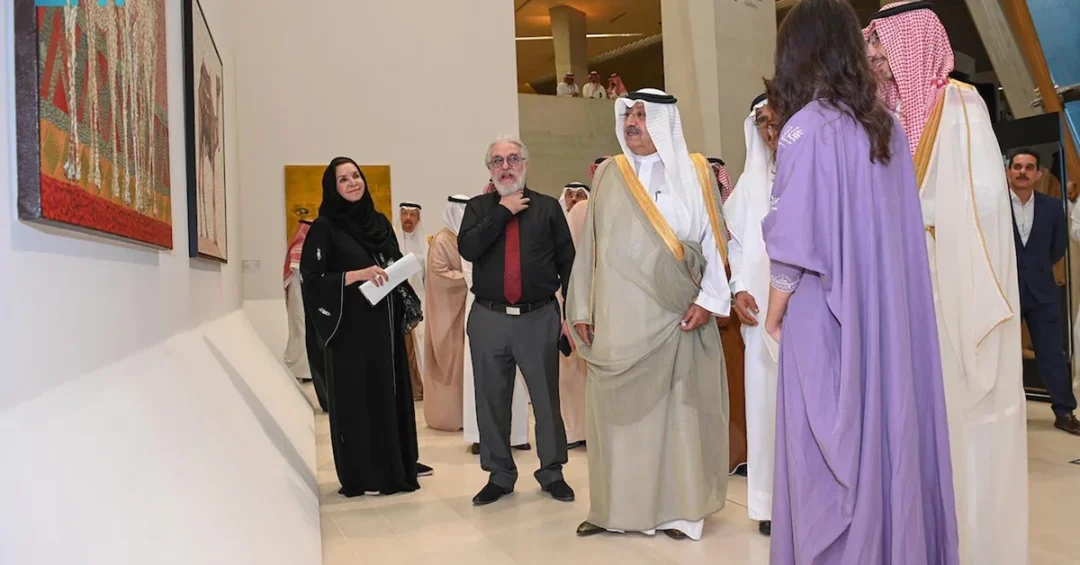
The King Abdulaziz Center for World Culture (Ithra), in partnership with the Layan Culture Foundation, inaugurated the exhibition “The Camel through the Ages” at the Ithra Museum in Dhahran on September 9, 2024. The exhibition, which runs until November 1, features 54 artworks by 38 local and international artists, offering a comprehensive artistic exploration of the camel’s enduring role in Arabian Peninsula history and its profound influence on Saudi cultural identity.
Context and Background
The exhibition arrives as Saudi Arabia continues to celebrate its rich heritage while pursuing ambitious modernization under Vision 2030. Camels have long been central to life in the Arabian Peninsula, serving as vital means of transportation, sources of sustenance, and symbols of status and resilience. By bringing together a diverse array of paintings, photographs, and sculptures, “The Camel through the Ages” narrates the historical journey of camels and underscores their economic importance and cultural significance.
The King Abdulaziz Center for World Culture (Ithra) is a flagship initiative of Saudi Aramco, dedicated to fostering cultural exchange and creativity. The Layan Culture Foundation complements this mission by supporting artistic and cultural projects that highlight Saudi heritage. Together, they present an exhibition that not only honors the past but also contributes to the Kingdom’s vibrant contemporary art scene.
Key Details
Noura Alzamil, head of programs at Ithra, emphasized that the exhibition “vividly conveys cultural symbols” and brings historical stages to life through sculptures and paintings. She noted that the artworks portray narratives of individuals and societies, offering a unique artistic expression that supports historical works.
Ghada Al-Tobaishi, Managing Director at Layan Culture, highlighted the diverse collection of artworks illustrating the enduring presence of the Arabian camel in various aspects of life. The exhibition also includes a book titled “The Camel through the Ages,” published by the Layan Culture Foundation and King Abdulaziz Public Library, providing academic insight into the historical background of camels and their relationship with humans.
Visitors can explore the exhibition until November 1, engaging with artworks that span traditional and contemporary styles. The pieces collectively celebrate the camel as a multifaceted symbol—a creature of economic utility, a partner in survival, and a muse for artistic expression.
Implications and Impact
“The Camel through the Ages” serves as a cultural bridge, attracting international audiences and fostering a deeper appreciation for Saudi heritage. It aligns with Saudi Arabia’s efforts to promote cultural tourism and diversify its economy by showcasing the Kingdom’s rich artistic traditions. The exhibition also reinforces the role of cultural institutions like Ithra in driving social and economic progress, in line with Vision 2030’s goals of enhancing quality of life and fostering global cultural exchange.
By highlighting the camel’s historical and contemporary significance, the exhibition contributes to broader conversations about sustainability, heritage preservation, and the Kingdom’s connection to its roots. It also provides a platform for local and international artists to engage with Saudi culture, further enriching the global art landscape.
Vision 2030 Alignment
This exhibition exemplifies Vision 2030’s commitment to celebrating Saudi Arabia’s cultural heritage while embracing modernity. Through initiatives like this, the Kingdom continues to strengthen its position as a global cultural hub, fostering pride in national identity and encouraging cross-cultural dialogue. As Saudi Arabia advances toward a diversified and vibrant future, events such as “The Camel through the Ages” underscore the enduring value of its traditions and the creativity of its people.
20 Questions
Q1. What is the name of the exhibition inaugurated at Ithra Museum?
A1. The exhibition is titled “The Camel through the Ages.” It was inaugurated at the Ithra Museum in Dhahran.
Q2. When did the exhibition open and how long will it run?
A2. The exhibition opened on September 9, 2024, and will remain open until November 1, 2024, offering visitors nearly two months to experience the artworks.
Q3. How many artworks are featured in the exhibition?
A3. The exhibition features 54 artworks created by 38 local and international artists, showcasing a diverse range of artistic perspectives on the camel’s significance.
Q4. Which organizations collaborated to organize the exhibition?
A4. The King Abdulaziz Center for World Culture (Ithra) and the Layan Culture Foundation jointly organized the exhibition, combining their expertise in cultural promotion and heritage preservation.
Q5. What types of artworks are displayed in the exhibition?
A5. The exhibition includes paintings, photographs, and sculptures that narrate the story of camels in the Arabian Peninsula and highlight their cultural and economic importance.
Q6. What is the main theme of “The Camel through the Ages”?
A6. The main theme is the historical journey of camels through art, emphasizing their cultural significance, impact on Saudi identity, and role in economic and cultural advancement.
Q7. Who is Noura Alzamil and what did she say about the exhibition?
A7. Noura Alzamil is the head of programs at Ithra. She stated that the exhibition vividly conveys cultural symbols and brings historical stages to life through sculptures and paintings.
Q8. Who is Ghada Al-Tobaishi and what was her comment?
A8. Ghada Al-Tobaishi is the Managing Director at Layan Culture. She noted that the exhibition features a diverse collection of artworks illustrating the enduring presence of the Arabian camel in various aspects of life.
Q9. Is there a book associated with the exhibition?
A9. Yes, a book titled “The Camel through the Ages” is available for visitors. It provides academic insight into the historical background of camels and their relationship with humans.
Q10. Who published the accompanying book?
A10. The book is published by the Layan Culture Foundation and King Abdulaziz Public Library, ensuring authoritative and scholarly content on the subject.
Q11. Where is the Ithra Museum located?
A11. The Ithra Museum is located in Dhahran, Saudi Arabia, within the King Abdulaziz Center for World Culture, a prominent cultural hub in the Kingdom.
Q12. Why are camels significant in Saudi culture?
A12. Camels have historically been vital for transportation, sustenance, and trade in the Arabian Peninsula. They symbolize resilience and are deeply embedded in Saudi heritage and identity.
Q13. How does the exhibition support Vision 2030?
A13. The exhibition promotes cultural tourism, fosters pride in national heritage, and contributes to economic diversification by attracting international visitors and showcasing Saudi artistic traditions.
Q14. What role does Ithra play in Saudi Arabia’s cultural landscape?
A14. Ithra, a Saudi Aramco initiative, fosters cultural exchange and creativity. It hosts exhibitions, performances, and educational programs that enrich society and support Vision 2030 goals.
Q15. What is the Layan Culture Foundation’s mission?
A15. The Layan Culture Foundation supports artistic and cultural projects that highlight Saudi heritage. It collaborates with institutions like Ithra to promote cultural understanding and preservation.
Q16. Can international artists participate in the exhibition?
A16. Yes, the exhibition features 38 local and international artists, reflecting a global appreciation for the camel’s cultural and historical significance.
Q17. How does the exhibition explore the economic importance of camels?
A17. Through various artworks, the exhibition illustrates how camels contributed to trade, transportation, and livelihoods, underscoring their economic value in the Arabian Peninsula’s development.
Q18. What milestones does the exhibition connect to tradition?
A18. The exhibition explores key historical milestones that link camels to Arabian traditions, such as their role in Bedouin life, pilgrimage routes, and cultural festivals.
Q19. What can visitors expect from the accompanying book?
A19. Visitors can expect academic insights into the historical background of camels, their relationship with humans, and their enduring cultural impact, presented in a scholarly yet accessible manner.
Q20. How does the exhibition contribute to Saudi Arabia’s global cultural engagement?
A20. By showcasing Saudi heritage to international audiences, the exhibition fosters cross-cultural dialogue, enhances the Kingdom’s cultural diplomacy, and reinforces its position as a global cultural destination.
Reader Feedback
We value your thoughts. Please share your feedback on this article.
Your feedback helps us improve our coverage.
Related articles
 Culinary Arts Commission Launches ‘Irth’ Store and Café in Three Saudi Cities
 KACCC Announces Cultural Communication Award Winners
 Crown Prince Patronizes 4th National Cultural Awards
 AlUla Signs Partnership with British National Archives
 Year of the Camel Shines at National Cultural Awards
 Saudis Dominate Final Stage of Crown Prince Camel Festival