


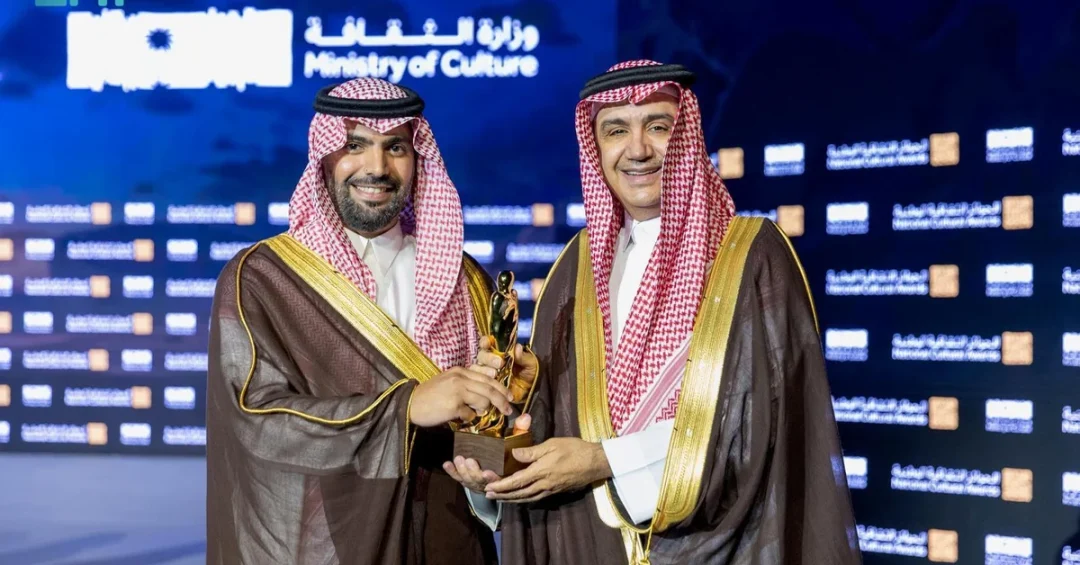
Under the patronage of His Royal Highness Prince Mohammed bin Salman bin Abdulaziz Al Saud, Crown Prince and Prime Minister, Saudi Minister of Culture Prince Badr bin Abdullah bin Farhan honored the winners of the fourth National Cultural Awards at a ceremony held at the King Fahd Cultural Center in Riyadh on Monday evening. The event, attended by senior officials, intellectuals, writers, artists, and media professionals, celebrated the achievements of Saudi creatives across multiple cultural sectors and marked a significant milestone in the Kingdom’s cultural renaissance.
Context and Background
The National Cultural Awards, organized annually by the Ministry of Culture, serve as a platform to recognize and celebrate the contributions of Saudi individuals and institutions to the cultural landscape. This fourth edition reflects the Ministry’s ongoing commitment to nurturing talent, fostering creativity, and advancing the goals of the National Culture Strategy, which is a key component of Saudi Vision 2030. The awards underscore the Kingdom’s dedication to preserving its rich heritage while embracing modernity and innovation.
In his opening address, Prince Badr emphasized the significance of the occasion: “We welcome the creators and innovators from various cultural sectors at the conclusion of the 2024 National Cultural Awards initiative, which comes under the generous patronage of His Royal Highness the Crown Prince, the supporter and enabler of our cultural sector.” He further noted that “our country is experiencing a great cultural renaissance under the umbrella of the Kingdom’s Vision 2030, and the Ministry of Culture has been keen to adopt a strategy to develop cultural capacities in a comprehensive and integrated journey with partners in various sectors.”
Key Details
The ceremony honored outstanding achievers in 16 categories, recognizing their exceptional contributions. Dr. Saad Al-Sowayan received the Cultural Pioneer Award for his significant scientific, literary, and cultural contributions. Writer and artist Diaa Youssef was awarded the Youth Culture Award for her support of culture and young talents. The Business Owners Award, recognizing support for cultural activities, was given to Badr bin Mohammed Al-Bowardi in acknowledgment of the Al-Bowardi family’s efforts to preserve cultural heritage.
The International Cultural Excellence Award was presented to the Turquoise Mountain Foundation for its contribution to the protection of cultural heritage and support for artisans. MBC Group received the Cultural Institutions Award in the private sector track, while King Faisal Foundation (KFF) received the award in the non-profit sector track.
In the individual categories, Dr. Abdullah Al-Sharakh won the National Heritage Award, short story writer and novelist Osamah Al-Muslim won the Literature Award, and Qyadiya Publishing House, specializing in publishing for children, won the Publishing Award. Dr. Walid Al-Omari received the Translation Award, film director Tawfik Al-Zaidi won the Film Award, and Abadi Al-Johar won the Music Award. Dr. Khalid Azzam received the Architecture and Design Award, Mohammed Al-Tuwaiyan won the Theater and Performing Arts Award, and Dr. Mohammed Al-Mansouri won the Culinary Arts Award. Taha Al-Sabban received the Visual Arts Award, and Dr. Lailah Al-Bassam won the Fashion Award.
Prince Badr also announced the addition of two new awards: the Cultural Media Award and the Handicrafts Award, aimed at opening new avenues for creativity and cultural expression.
Implications and Impact
The National Cultural Awards play a crucial role in motivating Saudi creatives and highlighting the Kingdom’s vibrant cultural scene on both regional and international stages. By recognizing excellence across diverse fields—from literature and music to architecture and culinary arts—the awards foster a dynamic cultural environment that attracts talent, encourages innovation, and promotes cultural exchange. The inclusion of international honorees like the Turquoise Mountain Foundation underscores Saudi Arabia’s commitment to global cultural cooperation and heritage preservation.
Furthermore, the introduction of the Cultural Media and Handicrafts Awards signals the Ministry’s responsiveness to emerging cultural domains and its dedication to broadening the scope of recognition. This aligns with the broader objectives of Vision 2030 to diversify the economy, empower youth, and enhance quality of life through cultural enrichment.
Vision 2030 Alignment
The National Cultural Awards are a testament to Saudi Arabia’s unwavering commitment to its cultural sector as a pillar of Vision 2030. By celebrating the achievements of its people and institutions, the Kingdom not only preserves its heritage but also cultivates a thriving creative economy that contributes to national pride and global cultural dialogue. As Saudi Arabia continues its journey of transformation, initiatives like these will remain essential in nurturing talent, fostering innovation, and showcasing the Kingdom’s rich cultural tapestry to the world.
20 Questions
Q1. What was the occasion for the ceremony held in Riyadh?
A1. The ceremony honored the winners of the fourth National Cultural Awards, organized by the Ministry of Culture under the patronage of Crown Prince Mohammed bin Salman.
Q2. Who attended the National Cultural Awards ceremony?
A2. Senior officials, intellectuals, writers, artists, and media professionals attended the event at the King Fahd Cultural Center.
Q3. What did Prince Badr bin Abdullah bin Farhan say about the awards?
A3. He welcomed creators and innovators, highlighting the cultural renaissance under Vision 2030 and the Ministry’s strategy to develop cultural capacities.
Q4. Which new awards were announced during the ceremony?
A4. The Cultural Media Award and the Handicrafts Award were introduced to open new avenues for creativity and cultural expression.
Q5. Who received the Cultural Pioneer Award?
A5. Dr. Saad Al-Sowayan received the award for his significant scientific, literary, and cultural contributions.
Q6. Who won the Youth Culture Award?
A6. Writer and artist Diaa Youssef was honored for her support of culture and young talents.
Q7. Who was given the Business Owners Award?
A7. Badr bin Mohammed Al-Bowardi received it for the Al-Bowardi family’s efforts to preserve cultural heritage.
Q8. Which organization received the International Cultural Excellence Award?
A8. The Turquoise Mountain Foundation was recognized for its contribution to protecting cultural heritage and supporting artisans.
Q9. Who won the Cultural Institutions Award in the private sector track?
A9. MBC Group received the award in the private sector track.
Q10. Who won the Cultural Institutions Award in the non-profit sector track?
A10. King Faisal Foundation (KFF) received the award in the non-profit sector track.
Q11. Who received the National Heritage Award?
A11. Dr. Abdullah Al-Sharakh won the National Heritage Award.
Q12. Who won the Literature Award?
A12. Short story writer and novelist Osamah Al-Muslim won the Literature Award.
Q13. Which publishing house won the Publishing Award?
A13. Qyadiya Publishing House, specializing in children’s publishing, won the Publishing Award.
Q14. Who received the Translation Award?
A14. Dr. Walid Al-Omari received the Translation Award.
Q15. Who won the Film Award?
A15. Film director Tawfik Al-Zaidi won the Film Award.
Q16. Who won the Music Award?
A16. Abadi Al-Johar won the Music Award.
Q17. Who received the Architecture and Design Award?
A17. Dr. Khalid Azzam received the Architecture and Design Award.
Q18. Who won the Theater and Performing Arts Award?
A18. Mohammed Al-Tuwaiyan won the Theater and Performing Arts Award.
Q19. Who received the Culinary Arts Award?
A19. Dr. Mohammed Al-Mansouri received the Culinary Arts Award.
Q20. Who won the Visual Arts and Fashion Awards?
A20. Taha Al-Sabban won the Visual Arts Award, and Dr. Lailah Al-Bassam won the Fashion Award.
Reader Feedback
We value your thoughts. Please share your feedback on this article.
Your feedback helps us improve our coverage.
Related articles
 AlUla Signs Partnership with British National Archives
 Year of the Camel Shines at National Cultural Awards
 Saudis Dominate Final Stage of Crown Prince Camel Festival
 KFCRIS Launches UNESCO Chair in Translating Cultures
 Saudi Ministry of Culture and KSGAAL Launch Arabic Language Hackathon
 Minister of Culture Commends 2025 ‘Year of Handicrafts’