


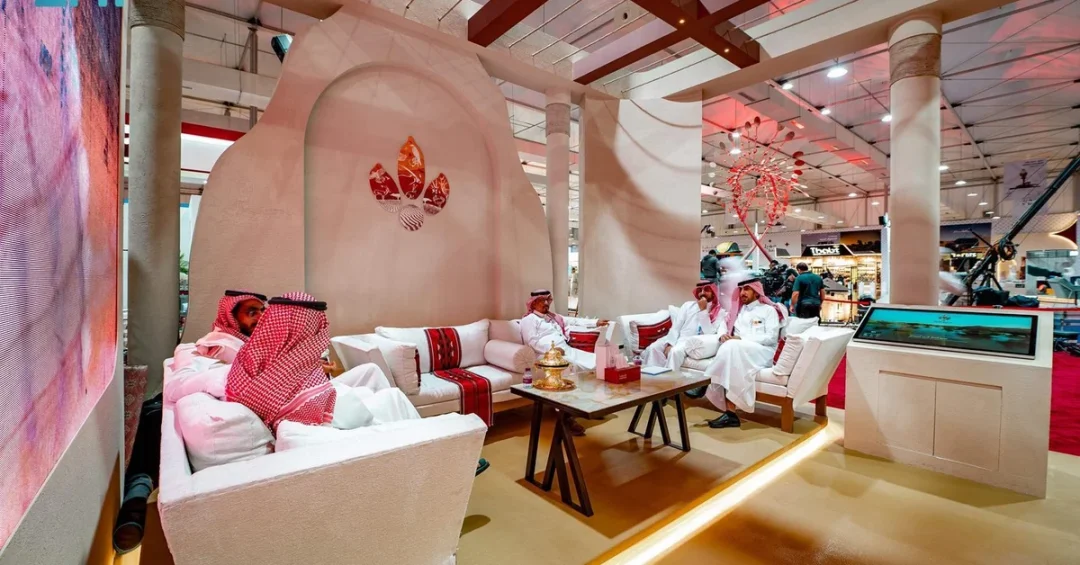
The Imam Turki bin Abdullah Royal Reserve launched its pavilion, “Suhail”, at the eighth edition of the Katara International Hunting and Falconry Exhibition in Qatar, showcasing the Kingdom’s first sustainable hunting reserve, the North Sustainable Hunting Reserve, which spans 2,000 square kilometers. The pavilion highlights Saudi Arabia’s commitment to balancing environmental preservation with sustainable hunting practices and promotes the reserve as a unique tourism destination for wilderness enthusiasts. The exhibition, held in Qatar, provides an international platform for the Kingdom to share its pioneering environmental and tourism initiatives.
Context and Background
The Imam Turki bin Abdullah Royal Reserve, one of Saudi Arabia’s largest royal reserves, is dedicated to conserving biodiversity and promoting sustainable development. Its participation in the Katara International Hunting and Falconry Exhibition, a premier event in the region, underscores the Kingdom’s efforts to showcase its natural heritage and eco-tourism potential. The North Sustainable Hunting Reserve, a key project of the reserve, is the first of its kind in Saudi Arabia, designed to regulate hunting activities while protecting wildlife. This aligns with Saudi Vision 2030’s goals of enhancing environmental sustainability and diversifying tourism offerings.
Key Details
The “Suhail” pavilion offers visitors interactive presentations about the North Reserve and its programs, including organized fishing activities, luxury environmental lodges, and modern shooting ranges. The reserve provides multiple accommodation options, such as luxury camps with specialized environmental guides. Activities include firearms, falcons, and hounds, all conducted under strict safety standards to ensure a safe and enjoyable experience. The pavilion also highlights the reserve’s distinctive tourism and environmental programs for wilderness trip enthusiasts, positioning it as a premier destination for fishing and relaxation.
Implications and Impact
The launch of the pavilion at an international exhibition like Katara enhances Saudi Arabia’s profile as a leader in sustainable tourism and environmental conservation. It fosters regional cooperation and knowledge exchange, particularly with Qatar, and attracts international visitors interested in eco-tourism and heritage sports. This initiative supports the Kingdom’s economic diversification by promoting tourism, creating jobs, and generating revenue. It also demonstrates Saudi Arabia’s commitment to preserving its natural environment for future generations, in line with global sustainability goals.
Vision 2030 Alignment
This initiative directly supports Saudi Vision 2030 by promoting sustainable tourism, environmental conservation, and economic diversification. The North Sustainable Hunting Reserve exemplifies how the Kingdom is developing unique tourism products that respect natural resources while offering world-class experiences. By showcasing such projects internationally, Saudi Arabia strengthens its global standing and attracts investments, contributing to the Vision’s aim of a vibrant society and thriving economy. The reserve’s programs also align with the Quality of Life Program, enhancing recreational opportunities for citizens and visitors alike.
20 Questions
Q1. What is the Imam Turki bin Abdullah Royal Reserve?
A1. The Imam Turki bin Abdullah Royal Reserve is a large protected area in Saudi Arabia dedicated to conserving biodiversity, promoting sustainable development, and offering eco-tourism experiences. It manages several reserves, including the North Sustainable Hunting Reserve, and works to balance environmental protection with recreational activities.
Q2. What is the North Sustainable Hunting Reserve?
A2. The North Sustainable Hunting Reserve is the first reserve in Saudi Arabia dedicated to sustainable hunting. Spanning 2,000 square kilometers, it regulates hunting to protect wildlife while providing a destination for enthusiasts. It offers programs like fishing, camping, and shooting ranges.
Q3. Where and when was the pavilion launched?
A3. The “Suhail” pavilion was launched at the eighth edition of the Katara International Hunting and Falconry Exhibition in Qatar. The event took place in September 2024, according to the Saudi Press Agency, and showcased the reserve’s initiatives to an international audience.
Q4. What does the “Suhail” pavilion showcase?
A4. The pavilion showcases the North Sustainable Hunting Reserve, its tourism and environmental programs, interactive presentations, accommodation options like luxury camps, and activities such as fishing, falconry, and shooting. It aims to attract wilderness trip enthusiasts and promote sustainable practices.
Q5. What activities are offered at the North Reserve?
A5. Activities include firearms, falcons, and hounds, all conducted under high safety standards. The reserve also organizes fishing activities, provides luxury environmental lodges, and offers modern shooting ranges, ensuring a safe and enjoyable experience for visitors.
Q6. How does the reserve balance conservation and hunting?
A6. The reserve implements sustainable hunting practices that allow regulated hunting while preserving wildlife populations. It organizes fishing activities to maintain ecological balance and uses environmental guides to educate visitors, ensuring that human activities do not harm the environment.
Q7. What accommodation options are available?
A7. The reserve offers multiple accommodation options, including luxury camps equipped with specialized environmental guides. These camps provide comfort and immersion in nature, catering to visitors seeking both adventure and relaxation in a sustainable setting.
Q8. Why is the reserve important for Saudi tourism?
A8. The reserve diversifies Saudi tourism by offering unique eco-tourism experiences, attracting domestic and international visitors. It supports economic growth, creates jobs, and showcases the Kingdom’s natural beauty, aligning with Vision 2030’s tourism goals.
Q9. How does this initiative align with Vision 2030?
A9. It aligns with Vision 2030 by promoting sustainable tourism, environmental conservation, and economic diversification. It enhances quality of life, attracts investments, and positions Saudi Arabia as a leader in eco-tourism, contributing to a vibrant society and thriving economy.
Q10. What is the significance of participating in the Katara exhibition?
A10. Participating in the Katara exhibition provides international exposure for Saudi Arabia’s environmental and tourism projects. It fosters regional cooperation, attracts visitors, and demonstrates the Kingdom’s commitment to sustainable practices on a global stage.
Q11. Who manages the Imam Turki bin Abdullah Royal Reserve?
A11. The reserve is managed by the Imam Turki bin Abdullah Royal Reserve Development Authority, which oversees conservation efforts, sustainable development, and tourism initiatives. It operates under the guidance of Saudi leadership to protect natural heritage.
Q12. What safety measures are in place for activities?
A12. The reserve enforces the highest safety standards for all activities, including firearms, falconry, and hounds. Trained guides and strict protocols ensure visitor safety, making the experience both enjoyable and secure.
Q13. How does the reserve support local communities?
A13. The reserve supports local communities by creating jobs in tourism, conservation, and hospitality. It involves residents in sustainable practices, provides economic opportunities, and promotes cultural heritage, fostering community development.
Q14. What are the environmental benefits of the reserve?
A14. The reserve protects biodiversity, preserves natural habitats, and promotes sustainable land use. It conducts research, monitors wildlife, and educates visitors, contributing to environmental conservation and ecological balance in the region.
Q15. Can international tourists visit the reserve?
A15. Yes, international tourists can visit the reserve. It offers various programs and accommodations designed for global visitors, subject to regulations. The reserve aims to attract eco-tourists and showcase Saudi Arabia’s natural wonders.
Q16. What makes the North Reserve unique?
A16. The North Reserve is unique as Saudi Arabia’s first sustainable hunting reserve, combining regulated hunting with conservation. Its size, diverse activities, and luxury facilities set it apart, offering a one-of-a-kind experience in the Kingdom.
Q17. How does the reserve contribute to wildlife conservation?
A17. The reserve implements sustainable hunting quotas, habitat restoration, and wildlife monitoring. It balances human activity with conservation, ensuring species thrive. Educational programs also raise awareness about protecting biodiversity.
Q18. What future plans exist for the reserve?
A18. Future plans include expanding eco-tourism offerings, enhancing conservation efforts, and increasing international partnerships. The reserve aims to become a leading sustainable destination, contributing to Vision 2030’s environmental and tourism goals.
Q19. What role does the Saudi Press Agency play?
A19. The Saudi Press Agency (SPA) is the official news agency of Saudi Arabia. It reported the launch of the “Suhail” pavilion, providing accurate information about the reserve’s initiatives and promoting the Kingdom’s achievements globally.
Q20. How can one learn more about the reserve?
A20. Information is available through official Saudi channels, including the Saudi Press Agency and the reserve’s website. Visitors can also contact the Imam Turki bin Abdullah Royal Reserve Development Authority for details on programs and bookings.
Reader Feedback
We value your thoughts. Please share your feedback on this article.
Your feedback helps us improve our coverage.
Related articles
 Saudi Tourism Authority Promotes Kingdom in Moscow
 RSG Earns Seven LEED Certifications for Sustainable Properties
 Eastern Coast: A Symphony of Colors at Sunrise and Sunset
 Jeddah Welcomes Visitors for National Day Celebration
 Egypt, Arab Tourism Organization Strengthen Cooperation
 Saudi Arabia Leads G20 in Tourism Growth in 2024