


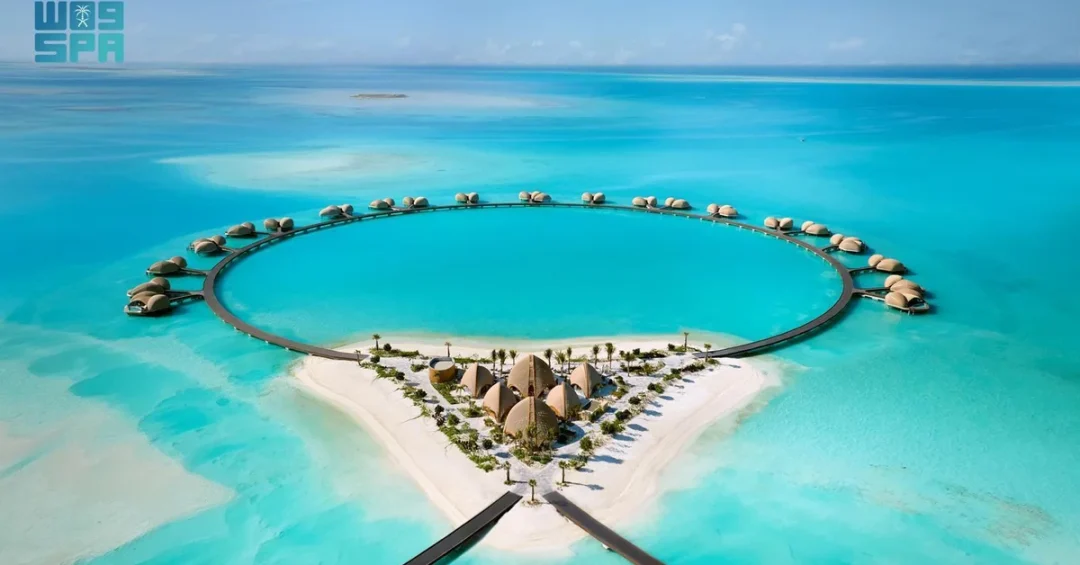
Red Sea Global (RSG), the developer behind regenerative tourism destinations The Red Sea and AMAALA, has been awarded seven new LEED certifications for properties at The Red Sea, reinforcing its leadership in sustainable development, according to an official announcement released via the Saudi Press Agency (SPA). The certifications, granted by the U.S. Green Building Council (USGBC), recognize RSG’s commitment to efficient, green buildings. In addition, RSG secured the LEED for Cities and Communities pre-certification for the AMAALA master plan, marking a significant milestone in Saudi Arabia’s journey toward environmentally responsible tourism.
Context and Background
LEED (Leadership in Energy and Environmental Design) is the world’s most widely used green building rating system, developed by the USGBC. It provides a framework for healthy, highly efficient, and cost-saving green buildings. The certifications awarded to RSG reflect a rigorous evaluation of design, construction, and operational practices that minimize environmental impact. Red Sea Global has consistently prioritized sustainability, aiming to set new benchmarks in regenerative tourism. This aligns with Saudi Arabia’s Vision 2030, which emphasizes environmental stewardship and economic diversification. The Red Sea Project and AMAALA are flagship initiatives under the Public Investment Fund (PIF), designed to showcase how large-scale development can coexist with ecological preservation.
Key Details
John Pagano, Group Chief Executive Officer at Red Sea Global, stated: “We were determined to redefine industry standards from the outset. To ensure we deliver on this ambition, our development and delivery teams work hand in hand with our sustainability team at every stage, scrutinizing design plans and collaborating during the build process, resulting in high-quality, low-impact properties.” The seven LEED certifications cover various properties at The Red Sea, including hotels and infrastructure. Notably, Red Sea International Airport (RSI) is the only airport across the Gulf Cooperation Council (GCC) countries powered by sunlight 24 hours a day, thanks to its innovative solar energy system. Peter Templeton, Chief Executive Officer of the USGBC, added: “Achieving LEED certification is more than just implementing sustainable practices. It represents a commitment to making the world better and influencing others to do better. Given the extraordinary importance of climate protection and buildings’ central role in that effort, Red Sea Global is creating a path forward through their LEED certification.”
Implications and Impact
The certifications underscore Saudi Arabia’s growing role as a global leader in sustainable development. They demonstrate that luxury tourism and environmental responsibility can go hand in hand, setting a precedent for future projects in the region and beyond. The recognition also enhances the Kingdom’s attractiveness to environmentally conscious travelers and investors, supporting the goals of Vision 2030 to diversify the economy and promote sustainable practices. Furthermore, the LEED for Cities and Communities pre-certification for AMAALA highlights RSG’s comprehensive approach to sustainability, extending beyond individual buildings to entire communities. This holistic strategy is expected to inspire other developers in the GCC and worldwide to adopt similar green building standards.
Vision 2030 Alignment
These achievements are directly aligned with Saudi Vision 2030, which seeks to create a thriving, sustainable economy and enhance the quality of life for citizens and visitors. By integrating renewable energy, energy efficiency, and environmental design, RSG is contributing to the Kingdom’s environmental goals, including the Saudi Green Initiative, which aims to plant 10 billion trees and reduce carbon emissions by 278 million tons annually by 2030. As Saudi Arabia continues to position itself as a global hub for tourism and innovation, RSG’s LEED certifications serve as a testament to the Kingdom’s commitment to a greener future, paving the way for a new era of regenerative tourism that benefits both people and the planet.
20 Questions
Q1. What is Red Sea Global?
A1. Red Sea Global is the developer behind regenerative tourism destinations The Red Sea and AMAALA, focused on creating sustainable and luxurious tourism projects in Saudi Arabia.
Q2. What are the LEED certifications?
A2. LEED (Leadership in Energy and Environmental Design) is a globally recognized green building certification program developed by the U.S. Green Building Council, evaluating sustainability in design, construction, and operation.
Q3. How many LEED certifications did RSG receive?
A3. RSG received seven new LEED certifications for properties at The Red Sea, recognizing its commitment to efficient, green buildings.
Q4. What is the LEED for Cities and Communities pre-certification?
A4. It is a certification for the AMAALA master plan, acknowledging the project’s comprehensive approach to sustainability at the community level.
Q5. Who is John Pagano?
A5. John Pagano is the Group Chief Executive Officer at Red Sea Global, emphasizing the company’s dedication to redefining industry standards through sustainability.
Q6. Who is Peter Templeton?
A6. Peter Templeton is the Chief Executive Officer of the U.S. Green Building Council, the organization behind the LEED certification program.
Q7. What makes Red Sea International Airport unique?
A7. It is the only airport across the Gulf Cooperation Council countries powered by sunlight 24 hours a day, showcasing innovative renewable energy use.
Q8. Why are these certifications important for Saudi Arabia?
A8. They demonstrate Saudi Arabia’s leadership in sustainable development, supporting Vision 2030 goals of economic diversification and environmental stewardship.
Q9. What is The Red Sea project?
A9. The Red Sea is a regenerative tourism destination developed by RSG, featuring luxury resorts, residential properties, and infrastructure, all designed with sustainability in mind.
Q10. What is AMAALA?
A10. AMAALA is another regenerative tourism destination by RSG, focused on wellness, art, and culture, with a master plan that has received LEED pre-certification.
Q11. How do these certifications impact tourism?
A11. They attract environmentally conscious travelers and investors, enhancing Saudi Arabia’s appeal as a sustainable tourism destination and setting a benchmark for the region.
Q12. What role does renewable energy play in these projects?
A12. Renewable energy, particularly solar power, is integral to powering infrastructure like RSI and reducing the carbon footprint of the developments.
Q13. What is the U.S. Green Building Council?
A13. The USGBC is a non-profit organization that developed the LEED rating system, promoting sustainable building practices worldwide.
Q14. How does this align with Saudi Vision 2030?
A14. Vision 2030 emphasizes environmental sustainability and economic diversification, and RSG’s certifications contribute to these goals by setting new standards for green development.
Q15. What are the benefits of LEED certification?
A15. LEED certification signifies high performance in sustainability, offering benefits such as reduced environmental impact, lower operating costs, and improved occupant health and well-being.
Q16. Are there other sustainable projects in Saudi Arabia?
A16. Yes, Saudi Arabia has several sustainable initiatives, including NEOM and the Saudi Green Initiative, all aimed at creating a more sustainable future.
Q17. How does RSG ensure sustainability during construction?
A17. RSG’s development and delivery teams collaborate with the sustainability team at every stage, scrutinizing design plans and build processes to ensure low-impact properties.
Q18. What is the significance of the LEED for Cities and Communities pre-certification?
A18. It recognizes AMAALA’s master plan for integrating sustainability at a community scale, influencing future urban developments in the region.
Q19. What impact do these certifications have on the local community?
A19. They promote environmental awareness, create green jobs, and contribute to the overall quality of life by fostering sustainable practices and infrastructure.
Q20. What is the future outlook for RSG’s sustainability efforts?
A20. RSG aims to continue leading in regenerative tourism, with more projects expected to achieve LEED certifications, further solidifying Saudi Arabia’s position as a global sustainability leader.
Reader Feedback
We value your thoughts. Please share your feedback on this article.
Your feedback helps us improve our coverage.
Related articles
 Eastern Coast: A Symphony of Colors at Sunrise and Sunset
 Jeddah Welcomes Visitors for National Day Celebration
 Egypt, Arab Tourism Organization Strengthen Cooperation
 Saudi Arabia Leads G20 in Tourism Growth in 2024
 Jubail Aqua Park: A Premier Tourist Destination
 Saudi Tourism Minister Leads Delegation at G20 Meeting in Brazil