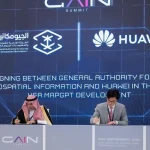
Saudi Arabia’s selection as a regional partner by the Organisation for Economic Co-operation and Development (OECD) reinforces the Kingdom’s growing leadership in artificial intelligence (AI) governance, according to Abdullah bin Sulaiman Al-Khudairi, Chief Executive of the Strategy Management Office at the Saudi Data and Artificial Intelligence Authority (SDAIA). Speaking during the third annual Global AI Summit (GAIN Summit) in Riyadh, Al-Khudairi underscored the Kingdom’s pride in its partnership with the OECD and highlighted the significance of this collaboration in shaping reliable AI policies both regionally and globally.
Context and Background
Al-Khudairi’s remarks came during a dialogue session titled “Regulating the Artificial Intelligence Sector: Risks, Legislation, and Future Trends,” where he engaged with prominent AI researchers. He noted that the OECD is a global leader in developing trustworthy AI policies and initiatives, and that Saudi Arabia’s recognition as a regional partner reflects the Kingdom’s advanced standing in the field. This partnership builds on Saudi Arabia’s broader efforts to position itself as a hub for AI innovation and governance, aligned with the goals of Saudi Vision 2030. Under the leadership of Crown Prince Mohammed bin Salman, SDAIA has been instrumental in driving the national AI agenda, including the publication of over 20 pioneering policies.
Key Details
During his speech, Al-Khudairi emphasized that Saudi Arabia’s active role in the OECD Observatory on Artificial Intelligence stems from its development and publication of more than 20 AI policies. These policies cover a range of areas, from ethical guidelines to regulatory frameworks, and are designed to foster innovation while mitigating risks. The Kingdom aims to strengthen regional cooperation by sharing best practices and leveraging real-world incidents to empower policymakers and regulators across the Middle East. The GAIN Summit, now in its third year, serves as a platform for global experts to discuss the future of AI and its governance.
Implications and Impact
Saudi Arabia’s partnership with the OECD carries significant implications for both the region and the international community. By collaborating with the OECD, the Kingdom is positioned to influence global AI standards and contribute to the development of policies that balance innovation with safety and ethics. This aligns with Saudi Arabia’s broader strategy to diversify its economy and become a leader in technology and digital transformation. The partnership also enhances regional capacity, enabling countries in the Middle East to adopt and adapt AI policies that suit their unique contexts. Furthermore, it underscores the Kingdom’s commitment to international cooperation in addressing the challenges posed by rapid AI advancements.
Vision 2030 Alignment
Saudi Arabia’s leadership in AI governance is a direct reflection of Vision 2030, which seeks to transform the Kingdom into a global investment powerhouse and a hub for innovation. By fostering AI research, development, and ethical governance, SDAIA is helping to build a knowledge-based economy and create high-skilled jobs for Saudi youth. The Kingdom’s collaboration with the OECD and its active participation in global forums like the GAIN Summit demonstrate its dedication to shaping a future where AI benefits all of humanity. As Saudi Arabia continues to advance its AI capabilities, it remains committed to contributing to international efforts that ensure the responsible and inclusive use of artificial intelligence.
20 Questions
Q1. What is the significance of Saudi Arabia’s partnership with the OECD in AI?
A1. Saudi Arabia’s partnership with the OECD signifies global recognition of its leadership in AI governance. It allows the Kingdom to contribute to international AI policy development, share best practices, and enhance regional cooperation, reinforcing its position as a key player in shaping the future of AI.
Q2. Who is Abdullah bin Sulaiman Al-Khudairi?
A2. Abdullah bin Sulaiman Al-Khudairi is the Chief Executive of the Strategy Management Office at the Saudi Data and Artificial Intelligence Authority (SDAIA). He plays a pivotal role in advancing Saudi Arabia’s AI strategy and represents the Kingdom at international forums.
Q3. What was the focus of Al-Khudairi’s speech at the GAIN Summit?
A3. Al-Khudairi’s speech focused on regulating the AI sector, addressing risks, legislation, and future trends. He highlighted Saudi Arabia’s pride in its OECD partnership and its leadership in developing reliable AI policies.
Q4. What is the GAIN Summit?
A4. The Global AI Summit (GAIN) is an annual event hosted in Riyadh that brings together global experts, policymakers, and researchers to discuss AI advancements and governance. The third annual summit featured dialogues on regulating AI and fostering international collaboration.
Q5. How many AI policies has Saudi Arabia developed?
A5. Saudi Arabia has developed and published over 20 pioneering AI policies. These policies cover ethical guidelines, regulatory frameworks, and risk management, showcasing the Kingdom’s commitment to responsible AI development.
Q6. What is the OECD Observatory on Artificial Intelligence?
A6. The OECD Observatory on Artificial Intelligence is a platform that monitors and analyzes AI developments globally. Saudi Arabia’s active participation reflects its advanced standing and commitment to contributing to global AI governance.
Q7. How does Saudi Arabia’s AI leadership align with Vision 2030?
A7. Saudi Arabia’s AI leadership supports Vision 2030 by driving economic diversification, fostering innovation, and creating high-skilled jobs. It positions the Kingdom as a global hub for technology and digital transformation, in line with the vision’s goals.
Q8. What role does SDAIA play in Saudi Arabia’s AI strategy?
A8. SDAIA is the national authority responsible for driving Saudi Arabia’s AI agenda. It develops policies, fosters innovation, and represents the Kingdom internationally, ensuring AI contributes to economic growth and social development.
Q9. What are the key risks associated with AI that the summit addressed?
A9. The summit addressed risks such as ethical concerns, data privacy, algorithmic bias, and security threats. Discussions focused on developing legislation and policies to mitigate these risks while promoting innovation and trust in AI systems.
Q10. How does Saudi Arabia aim to strengthen regional cooperation in AI?
A10. Saudi Arabia aims to strengthen regional cooperation by sharing best practices, providing policy guidance, and leveraging real-world incidents to empower policymakers. This collaborative approach helps build a unified regional stance on AI governance.
Q11. What benefits does the OECD partnership bring to Saudi Arabia?
A11. The partnership enhances Saudi Arabia’s global standing, provides access to international expertise, and allows the Kingdom to influence global AI standards. It also facilitates knowledge exchange and capacity building for regional policymakers.
Q12. How does Saudi Arabia contribute to global AI governance?
A12. Saudi Arabia contributes by developing and publishing AI policies, participating in international forums, and partnering with organizations like the OECD. Its leadership helps shape ethical and reliable AI frameworks worldwide.
Q13. What is the significance of the GAIN Summit for Saudi Arabia?
A13. The GAIN Summit showcases Saudi Arabia’s commitment to AI leadership and provides a platform for global dialogue. It reinforces the Kingdom’s role as a convener of experts and a driver of responsible AI innovation.
Q14. How does AI governance support economic growth in Saudi Arabia?
A14. AI governance fosters a stable and trustworthy environment for investment, encourages innovation, and enables the development of new industries. This supports economic diversification and job creation, key pillars of Vision 2030.
Q15. What are some examples of Saudi Arabia’s AI policies?
A15. Examples include guidelines on AI ethics, data privacy regulations, and frameworks for AI in healthcare and education. These policies aim to balance innovation with societal values and safety.
Q16. How does Saudi Arabia engage with international researchers in AI?
A16. Saudi Arabia engages with international researchers through summits like GAIN, collaborative research projects, and partnerships with global institutions. This exchange of ideas accelerates AI advancements and governance.
Q17. What is the role of the OECD in AI policy development?
A17. The OECD develops evidence-based AI policies and principles that promote innovation and trust. It provides a platform for member and partner countries to collaborate on AI governance and share best practices.
Q18. How does Saudi Arabia’s AI strategy benefit its youth?
A18. Saudi Arabia’s AI strategy creates educational and career opportunities for youth in technology and innovation. It equips them with skills for the future economy, aligning with Vision 2030’s focus on human capital development.
Q19. What future trends in AI regulation were discussed at the summit?
A19. Discussions covered trends such as adaptive regulatory frameworks, international harmonization of AI standards, and the use of AI for social good. The focus was on balancing innovation with risk management.
Q20. How can other countries benefit from Saudi Arabia’s AI experience?
A20. Other countries can benefit by adopting Saudi Arabia’s best practices, engaging in partnerships, and participating in knowledge-sharing platforms. The Kingdom’s experience offers valuable insights for developing effective AI governance.
Reader Feedback
We value your thoughts. Please share your feedback on this article.
Your feedback helps us improve our coverage.