


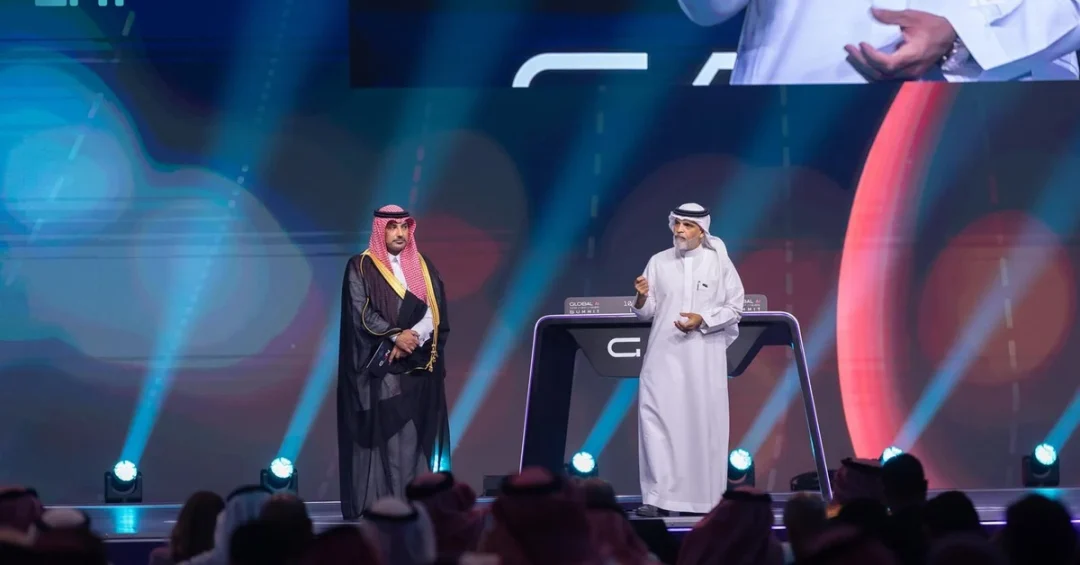
The Saudi Data and Artificial Intelligence Authority (SDAIA), in collaboration with Microsoft, has announced that ALLaM, Saudi Arabia’s pioneering Arabic Large Language Model, is now available on the Microsoft Azure cloud platform. The announcement, made at the Global AI Summit (GAIN Summit) held in Riyadh from September 10-12, 2024, marks a significant step in enhancing Arabic-language AI services and driving innovation both within the Kingdom and globally.
Context and Background
ALLaM, developed by the National Center for Artificial Intelligence (NCAI), an affiliate of SDAIA, has quickly gained international recognition for its advanced capabilities in processing and understanding the Arabic language. The model recently secured first place in its category according to the Arabic MMLU benchmark, underscoring its superior performance. The integration of ALLaM into Microsoft Azure, a leading global cloud computing service, represents a milestone in making advanced AI tools accessible to a wider audience, including developers, businesses, and researchers. This collaboration builds on a broader partnership between SDAIA and Microsoft aimed at accelerating generative AI solutions and fostering local talent through specialized training programs.
Key Details
The announcement was made during the GAIN Summit, a major event that brings together global AI leaders to discuss the future of artificial intelligence. As part of the collaboration, SDAIA and Microsoft are establishing a center of excellence focused on generative AI, which will drive innovation and create cutting-edge solutions. Additionally, a Microsoft academy will be launched to build national expertise in AI and advanced technologies, supporting Saudi Arabia’s goal of becoming a global AI hub. The availability of ALLaM on Azure means that users worldwide can now leverage this powerful Arabic language model to develop applications that cater to Arabic-speaking populations, enhancing digital services and communication.
Implications and Impact
The deployment of ALLaM on Azure is set to have far-reaching implications for the AI landscape. It will enable developers to create more sophisticated Arabic-language applications, from chatbots to translation services, thereby improving user experiences for millions of Arabic speakers. This move also positions Saudi Arabia as a leader in AI innovation, particularly in the field of natural language processing for Arabic, which has historically been underrepresented in global AI research. By making ALLaM accessible on a global platform, SDAIA and Microsoft are fostering international collaboration and knowledge exchange, which could lead to breakthroughs in AI that benefit the entire world.
Vision 2030 Alignment
This initiative aligns closely with Saudi Vision 2030, which aims to diversify the economy and promote digital transformation. By advancing AI capabilities and nurturing local talent, SDAIA and Microsoft are contributing to the Kingdom’s goal of building a knowledge-based economy. The availability of ALLaM on Azure not only showcases Saudi Arabia’s technological prowess but also reinforces its commitment to global leadership in AI, ultimately driving economic growth and enhancing the quality of life for people in the region and beyond.
20 Questions
Q1. What is ALLaM?
A1. ALLaM is an Arabic Large Language Model developed by the National Center for Artificial Intelligence (NCAI), affiliated with the Saudi Data and Artificial Intelligence Authority (SDAIA). It is designed to understand and generate Arabic text with high accuracy, supporting various AI applications.
Q2. Who announced the availability of ALLaM on Azure?
A2. The announcement was made by SDAIA and Microsoft at the Global AI Summit (GAIN Summit) in Riyadh, held from September 10-12, 2024. This collaboration highlights the growing partnership between the two entities in advancing AI technologies.
Q3. What is Microsoft Azure?
A3. Microsoft Azure is a comprehensive cloud computing platform offered by Microsoft. It provides a wide range of services including computing, analytics, storage, and networking, enabling businesses and developers to build, deploy, and manage applications and services globally.
Q4. Why is ALLaM’s availability on Azure significant?
A4. It makes ALLaM accessible to a global audience, allowing developers and organizations to integrate advanced Arabic language processing into their applications. This promotes innovation and enhances digital services for Arabic speakers worldwide, while showcasing Saudi Arabia’s AI leadership.
Q5. What recognition has ALLaM received?
A5. ALLaM recently achieved first place in its category according to the Arabic MMLU benchmark, a respected evaluation of Arabic language models. This recognition underscores its superior performance and reliability in understanding and generating Arabic text.
Q6. What is the Global AI Summit (GAIN Summit)?
A6. The GAIN Summit is a major international event hosted in Riyadh, bringing together AI experts, policymakers, and industry leaders to discuss the latest trends and developments in artificial intelligence. It serves as a platform for announcing key initiatives and partnerships.
Q7. What other collaborations between SDAIA and Microsoft were announced?
A7. SDAIA and Microsoft announced the establishment of a center of excellence to accelerate generative AI solutions and the launch of a Microsoft academy to build national talent in AI and advanced technologies. These initiatives aim to foster innovation and skill development.
Q8. How does ALLaM benefit Arabic speakers?
A8. ALLaM enables more accurate and natural Arabic language processing, which can improve applications like virtual assistants, translation services, and content generation. This enhances digital experiences for millions of Arabic speakers globally.
Q9. What is the National Center for Artificial Intelligence (NCAI)?
A9. NCAI is an affiliate of SDAIA responsible for driving AI research and development in Saudi Arabia. It developed ALLaM and plays a key role in advancing the Kingdom’s AI capabilities in line with Vision 2030.
Q10. How does this initiative support Saudi Vision 2030?
A10. It supports Vision 2030 by promoting digital transformation and economic diversification. By advancing AI and nurturing local talent, it contributes to building a knowledge-based economy and positioning Saudi Arabia as a global AI leader.
Q11. What is the Arabic MMLU benchmark?
A11. The Arabic MMLU (Massive Multitask Language Understanding) benchmark evaluates language models on their ability to understand and generate Arabic across various tasks. ALLaM’s top ranking demonstrates its exceptional performance.
Q12. Can international developers use ALLaM on Azure?
A12. Yes, ALLaM is now available on Microsoft Azure, making it accessible to developers worldwide. They can leverage its capabilities to build Arabic language applications, fostering global innovation and collaboration.
Q13. What is generative AI?
A13. Generative AI refers to artificial intelligence systems that can generate new content, such as text, images, or code, based on patterns learned from existing data. It has the potential to revolutionize various industries by automating creative and complex tasks.
Q14. How will the center of excellence accelerate AI development?
A14. The center of excellence will focus on research and development in generative AI, bringing together experts to create innovative solutions. It aims to speed up the development and deployment of AI technologies in Saudi Arabia and beyond.
Q15. What is the purpose of the Microsoft academy?
A15. The academy will provide training and education in AI and advanced technologies to build national talent. It aims to equip Saudi professionals with the skills needed to drive innovation and support the Kingdom’s digital economy.
Q16. How does ALLaM compare to other language models?
A16. ALLaM is specifically designed for Arabic, giving it a deep understanding of the language’s nuances. Its top ranking in the Arabic MMLU benchmark indicates it outperforms other models in Arabic language tasks.
Q17. What are the potential applications of ALLaM?
A17. ALLaM can be used in chatbots, virtual assistants, translation services, content creation, sentiment analysis, and more. It enhances any application requiring Arabic language understanding and generation.
Q18. Is ALLaM available for free on Azure?
A18. Pricing and availability details are determined by Microsoft Azure’s service offerings. Interested users should consult Azure’s marketplace for specific terms. The collaboration aims to make ALLaM widely accessible.
Q19. How does this partnership benefit Microsoft?
A19. Microsoft gains access to a leading Arabic language model, expanding its AI services and attracting Arabic-speaking customers. It also strengthens its partnership with Saudi Arabia, a key player in the global AI landscape.
Q20. What future developments can we expect from SDAIA and Microsoft?
A20. The partnership is expected to yield further innovations in AI, particularly in generative AI and Arabic language processing. Ongoing collaboration will likely produce new tools and services that benefit users in Saudi Arabia and worldwide.
Reader Feedback
We value your thoughts. Please share your feedback on this article.
Your feedback helps us improve our coverage.
Related articles
 Elm Sponsors Global AI Summit in Riyadh
 SDAIA and IBM Sign MoU to Establish AI Center of Excellence
 GAIN Summit Showcases International AI Governance
 stc Group and RDIA Launch AI Lab in Riyadh
 SDAIA and IBM Partner to Advance AI on Deem Cloud
 King Faisal University Hosts Innovative Food and Environmental Factory