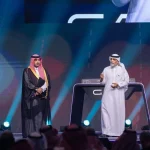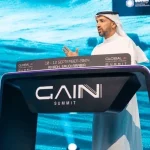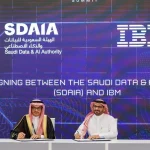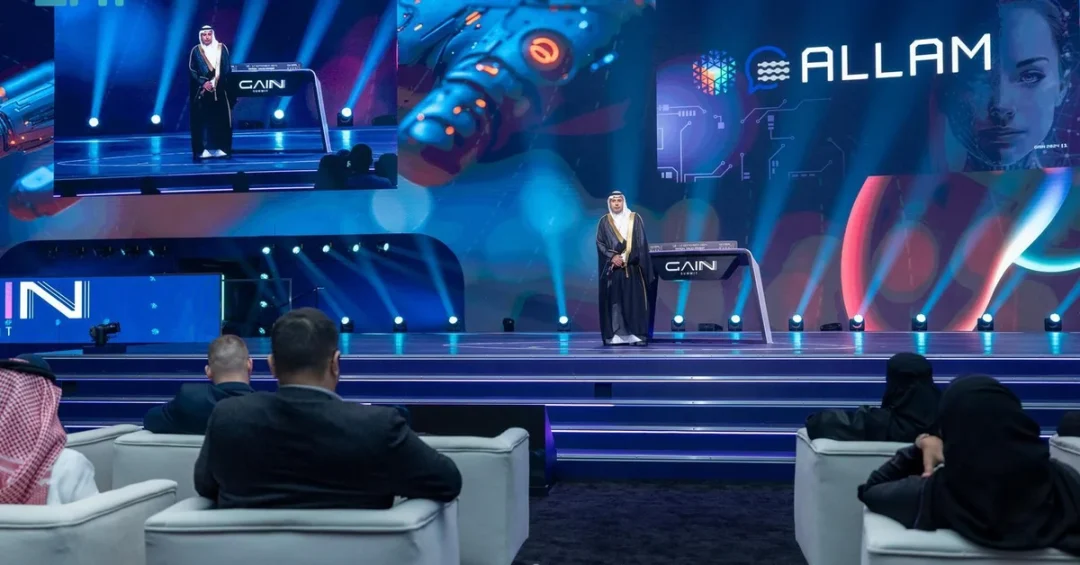
Saudi Arabia’s Arabic Large Language Model, ALLaM, has been recognized as the world’s leading generative language model in Arabic, according to the Arabic MMLU benchmark. The Saudi Data and Artificial Intelligence Authority (SDAIA) announced the achievement during the third Global AI Summit (GAIN Summit), held in Riyadh from September 10 to 12, 2024. The recognition marks a significant milestone in the Kingdom’s efforts to advance Arabic-language artificial intelligence and reinforces its growing role as a global technology hub.
Context and Background
The GAIN Summit, hosted annually in Riyadh, has become a premier international platform for dialogue on artificial intelligence, bringing together policymakers, researchers, and industry leaders from around the world. This year’s edition provided the stage for SDAIA to announce that ALLaM had secured the top position globally in its category as the best generative language model in Arabic, as measured by the Arabic MMLU benchmark, a respected evaluation framework for assessing language model performance.
ALLaM was developed by national technical cadres at the National Center for Artificial Intelligence, which operates under SDAIA. The model was trained on a massive Arabic dataset comprising more than 500 billion Arabic text units and benefited from the expertise of over 400 specialists, underscoring the depth of local talent and institutional commitment behind the project.
Key Details
SDAIA indicated that ALLaM was developed in several configurations, with model sizes ranging from 7 billion to 70 billion parameters. This range allows the model to serve a variety of applications, from lightweight deployments to more complex, resource-intensive tasks. The development process drew on extensive Arabic linguistic resources, ensuring that the model captures the richness and nuance of the Arabic language across diverse domains.
The recognition highlights Saudi Arabia’s ongoing efforts to elevate the Arabic language regionally and internationally, enrich Arabic digital content, and solidify the Kingdom’s position as a leader in artificial intelligence. The announcement was made during a summit that attracted global attention, further amplifying the significance of the achievement on the international stage.
Implications and Impact
The recognition of ALLaM carries wide-ranging implications for the Arabic-speaking world and beyond. By achieving top performance in Arabic language modeling, the model helps bridge the digital language gap, making advanced AI tools more accessible to hundreds of millions of Arabic speakers. It also supports the growth of local and regional technology ecosystems, enabling developers, researchers, and businesses to build innovative applications tailored to Arabic users.
Internationally, the achievement positions Saudi Arabia as a serious contributor to the global AI landscape, demonstrating that world-class language models can emerge from the region. It also signals the Kingdom’s commitment to responsible AI development that respects linguistic and cultural diversity, a priority increasingly recognized in global technology governance discussions.
Vision 2030 Alignment
The success of ALLaM aligns directly with the goals of Saudi Vision 2030, led by HRH Prince Mohammed bin Salman bin Abdulaziz Al Saud, Crown Prince, Prime Minister, and Chairman of SDAIA’s Board of Directors. His consistent support for Saudi Arabia’s transformation into a global technology hub has been instrumental in fostering an environment where advanced AI technologies can thrive.
As the Kingdom continues to invest in data and AI capabilities, achievements such as this reinforce its long-term ambition to diversify the economy, empower national talent, and contribute meaningfully to the global knowledge economy. The recognition of ALLaM is not only a technological milestone but also a testament to Saudi Arabia’s broader vision of leadership and innovation on the world stage.
20 Questions
Q1. What is ALLaM?
A1. ALLaM is an Arabic Large Language Model developed by the Saudi Data and Artificial Intelligence Authority (SDAIA). It is designed to understand and generate Arabic text, and it recently ranked first globally in its category according to the Arabic MMLU benchmark.
Q2. Which organization developed ALLaM?
A2. ALLaM was developed by national technical cadres at the National Center for Artificial Intelligence, which operates under the Saudi Data and Artificial Intelligence Authority (SDAIA). More than 400 specialists contributed to its development.
Q3. What is the Arabic MMLU benchmark?
A3. The Arabic MMLU benchmark is an evaluation framework used to assess the performance of language models in Arabic. It measures how well models understand and generate Arabic across a variety of subjects, providing a standardized comparison.
Q4. When and where was the recognition announced?
A4. The recognition was announced during the third Global AI Summit (GAIN Summit), held in Riyadh from September 10 to 12, 2024. SDAIA made the announcement at this prominent international event.
Q5. What does GAIN Summit stand for?
A5. GAIN Summit stands for the Global AI Summit, an annual event hosted in Riyadh that brings together global leaders, experts, and stakeholders to discuss artificial intelligence developments and policies.
Q6. How large is the dataset used to train ALLaM?
A6. ALLaM was trained on a massive Arabic dataset comprising more than 500 billion Arabic text units. This extensive dataset helps the model capture the richness and diversity of the Arabic language.
Q7. What are the different sizes of ALLaM models?
A7. SDAIA developed ALLaM in several configurations, with model sizes ranging from 7 billion to 70 billion parameters. This range supports various applications, from lightweight to complex tasks.
Q8. Why is ALLaM’s achievement significant for Saudi Arabia?
A8. The achievement highlights Saudi Arabia’s efforts to lead in artificial intelligence, enrich Arabic content, and solidify its position as a global technology hub. It also aligns with Vision 2030’s goals for economic diversification and innovation.
Q9. How does ALLaM support the Arabic language?
A9. ALLaM helps elevate the Arabic language regionally and internationally by providing advanced AI capabilities in Arabic. It enriches Arabic digital content and makes AI tools more accessible to Arabic speakers worldwide.
Q10. Who is the Chairman of SDAIA’s Board of Directors?
A10. HRH Prince Mohammed bin Salman bin Abdulaziz Al Saud, Crown Prince and Prime Minister, serves as the Chairman of SDAIA’s Board of Directors. He has consistently supported Saudi Arabia’s transformation into a global technology hub.
Q11. What is Vision 2030?
A11. Vision 2030 is Saudi Arabia’s strategic framework to diversify the economy, empower citizens, and build a sustainable future. It includes goals for technology leadership, innovation, and global engagement, which ALLaM’s success supports.
Q12. How many specialists contributed to ALLaM’s development?
A12. More than 400 specialists contributed to the development of ALLaM. Their expertise was crucial in training the model and ensuring its high performance in Arabic language tasks.
Q13. What is the National Center for Artificial Intelligence?
A13. The National Center for Artificial Intelligence is an entity affiliated with SDAIA. It focuses on advancing AI research and development in Saudi Arabia and was responsible for developing ALLaM.
Q14. What are the implications of ALLaM for the AI industry?
A14. ALLaM demonstrates that world-class Arabic language models can be developed in the region. It supports local and regional technology ecosystems, enabling developers to create innovative Arabic-language applications and services.
Q15. How does ALLaM compare to other language models?
A15. ALLaM ranked first globally in its category as the best generative language model in Arabic, according to the Arabic MMLU benchmark. This places it ahead of other models in Arabic language performance.
Q16. What is the significance of the GAIN Summit for Saudi Arabia?
A16. The GAIN Summit reinforces Saudi Arabia’s role as a convenor of global AI dialogue. It showcases the Kingdom’s advancements, attracts international expertise, and supports its ambition to be a leader in AI.
Q17. How does ALLaM contribute to Saudi Arabia’s digital economy?
A17. By enabling advanced Arabic-language AI applications, ALLaM supports the growth of the digital economy. It helps businesses, developers, and researchers innovate, contributing to economic diversification and job creation.
Q18. What future developments can be expected from SDAIA?
A18. SDAIA is expected to continue advancing AI research and development, building on ALLaM’s success. Future initiatives will likely focus on expanding AI applications and further enhancing Arabic language technologies.
Q19. How does ALLaM reflect Saudi Arabia’s commitment to AI ethics?
A19. ALLaM’s development reflects a commitment to responsible AI that respects linguistic and cultural diversity. It aligns with global discussions on ethical AI and ensures Arabic is well-represented in the technology landscape.
Q20. What does ALLaM’s recognition mean for global AI collaboration?
A20. The recognition positions Saudi Arabia as a key player in global AI collaboration. It opens opportunities for partnerships, knowledge exchange, and joint research, contributing to the advancement of AI worldwide.
Reader Feedback
We value your thoughts. Please share your feedback on this article.
Your feedback helps us improve our coverage.