


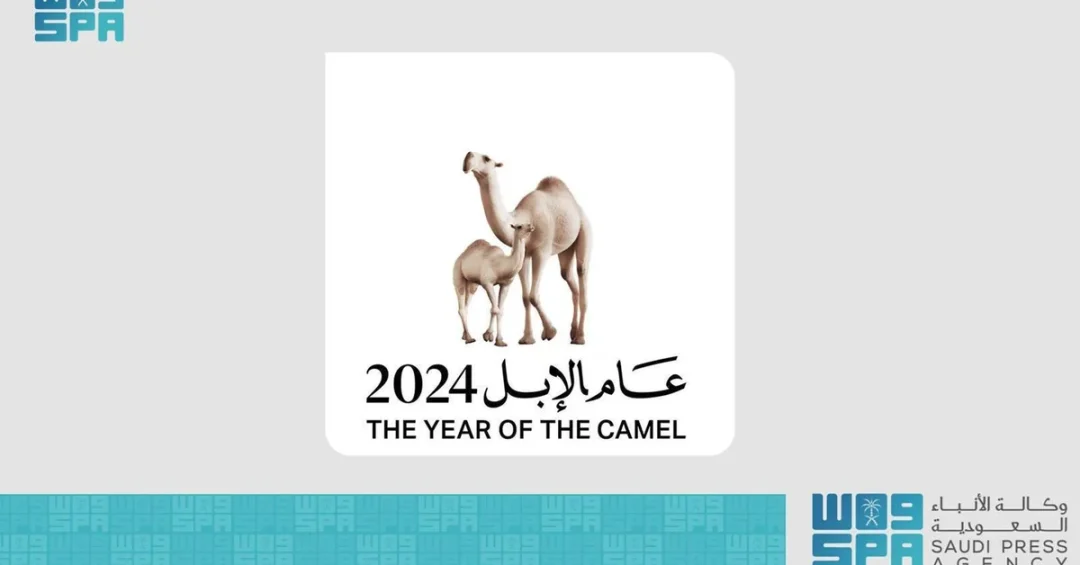
The Saudi Cultural Week, organized by the Ministry of Culture, will take place in Athens, Greece, from September 27 to October 1, 2024, featuring a dedicated pavilion celebrating the camel as a living symbol of Saudi heritage. This event coincides with the Kingdom’s designation of 2024 as the Year of the Camel, underscoring the animal’s enduring role in shaping Saudi national identity and Arab culture.
Context and Background
The Saudi Cultural Week in Athens represents a significant cultural exchange initiative by the Ministry of Culture, aimed at showcasing the Kingdom’s rich heritage to an international audience. The event is part of broader efforts under the National Culture Strategy, a key component of Vision 2030, which seeks to diversify the economy and promote cultural diplomacy. The camel, a central figure in Saudi history, was chosen as the focal point for 2024, reflecting its deep-rooted significance in the region’s authenticity and traditions.
Key Details
The camel pavilion in Athens will highlight the deep connection between the Saudi people and camels, emphasizing the animal’s civilizational and historical importance. Historically, camels were not merely modes of transportation but symbols of loyalty and authenticity, frequently appearing in Arabic literature, poetry, and stories. The Ministry of Culture aims to present the camel as a cultural icon, illustrating its role in Saudi life from ancient times to the present. This initiative also fosters international cultural exchange, raising awareness about Saudi Arabia’s cultural heritage.
Implications and Impact
By showcasing the camel at an international event like the Saudi Cultural Week in Greece, the Kingdom reinforces its commitment to cultural diplomacy and global engagement. This pavilion not only educates foreign audiences about Saudi traditions but also strengthens bilateral ties with Greece and other nations. The event aligns with Saudi Arabia’s broader efforts to project a positive image abroad, highlighting its modernization and cultural preservation. Furthermore, it supports the goals of Vision 2030 by promoting tourism and cultural understanding.
Vision 2030 Alignment
The celebration of the Year of the Camel at the Saudi Cultural Week directly supports Vision 2030‘s objectives, particularly in the realms of cultural enrichment and economic diversification. By elevating traditional symbols like the camel, the Kingdom showcases its unique heritage while attracting global interest, which can boost tourism and cultural exchange. This initiative exemplifies Saudi Arabia’s dedication to preserving its identity while embracing modernity and global integration.
20 Questions
Q1. What is the Saudi Cultural Week in Athens?
A1. The Saudi Cultural Week is an event organized by the Ministry of Culture, taking place in Athens, Greece, from September 27 to October 1, 2024, to showcase Saudi heritage and promote cultural exchange.
Q2. Why is 2024 called the Year of the Camel in Saudi Arabia?
A2. 2024 was designated the Year of the Camel to honor the animal’s historical and cultural significance in Saudi Arabia, highlighting its role in shaping national identity and Arab traditions.
Q3. What will the camel pavilion feature?
A3. The pavilion will present the deep relationship between Saudis and camels, emphasizing their civilizational role, symbolism in literature, and enduring bond with humans throughout history.
Q4. How does the camel symbolize Saudi culture?
A4. The camel represents loyalty, authenticity, and resilience, central to Arabic poetry and stories, and remains a vital cultural symbol reflecting Saudi Arabia’s heritage and identity.
Q5. What is the National Culture Strategy?
A5. The National Culture Strategy is a Vision 2030 initiative aimed at promoting Saudi cultural heritage, fostering international exchange, and supporting economic diversification through cultural activities.
Q6. How does this event align with Vision 2030?
A6. It aligns by promoting cultural diplomacy, enhancing Saudi Arabia’s global image, and supporting tourism and economic diversification goals under Vision 2030.
Q7. Who organized the Saudi Cultural Week?
A7. The event is organized by the Saudi Ministry of Culture, which oversees cultural initiatives and international exchanges to showcase the Kingdom’s heritage.
Q8. Why was Greece chosen for this event?
A8. Greece was likely selected to strengthen cultural ties and facilitate international exchange, given its rich historical heritage and strategic location for engaging European audiences.
Q9. What is the historical role of camels in Saudi Arabia?
A9. Camels were essential for transportation, trade, and survival in the desert, symbolizing loyalty and authenticity, and played a central role in Arabic literature and daily life.
Q10. How does the pavilion promote cultural exchange?
A10. By presenting the camel as a cultural symbol, the pavilion educates international visitors about Saudi traditions, fostering mutual understanding and appreciation between cultures.
Q11. What are the exceptional capabilities of camels?
A11. Camels are renowned for their endurance, ability to travel long distances in harsh desert conditions, and their significant role in sustaining human life and trade routes.
Q12. How does the event raise awareness about Saudi heritage?
A12. Through interactive exhibits and cultural presentations, the event highlights Saudi traditions, history, and values, enhancing global awareness of the Kingdom’s rich cultural legacy.
Q13. What is the significance of the camel in Arabic literature?
A13. Camels are frequently featured in Arabic poetry and stories, symbolizing loyalty, endurance, and the deep bond between humans and nature, reflecting cultural values.
Q14. How does this initiative support Saudi tourism?
A14. By showcasing cultural heritage, the event attracts international interest, potentially boosting tourism as part of Vision 2030’s goal to increase visitor numbers and cultural engagement.
Q15. What other activities are part of the Saudi Cultural Week?
A15. While specific activities are not detailed, the week likely includes exhibitions, performances, and workshops designed to present various aspects of Saudi culture and heritage.
Q16. How does the Ministry of Culture select themes for such events?
A16. Themes are chosen to highlight significant aspects of Saudi heritage that align with national strategies, promoting cultural pride and international dialogue.
Q17. What impact does this event have on Saudi-Greek relations?
A17. It strengthens bilateral ties by fostering cultural understanding and cooperation, paving the way for further diplomatic and economic collaborations.
Q18. How does the Year of the Camel reflect Saudi values?
A18. It reflects values of loyalty, authenticity, and resilience, celebrating a symbol that has been integral to Saudi identity and traditions for centuries.
Q19. What role does culture play in Vision 2030?
A19. Culture is a key pillar of Vision 2030, aimed at enriching quality of life, preserving heritage, and diversifying the economy through cultural industries and tourism.
Q20. How can international audiences engage with the event?
A20. International audiences can attend the Saudi Cultural Week in Athens, participate in exhibitions, and engage with Saudi cultural representatives to learn about the Kingdom’s heritage.
Reader Feedback
We value your thoughts. Please share your feedback on this article.
Your feedback helps us improve our coverage.
Related articles
 Saudi Falcons Club Celebrates 94th National Day in Riyadh
 Jeddah Historic District Unveils New Archaeological Finds
 Saudi Artworks Dazzle at Cairo’s ‘Beyond the Frame II’ Exhibition
 Saudi Culinary Arts Commission Joins Terra Madre 2024
 Red Sea Film Foundation Announces Winners of 48-Hour Challenge
 Tariq Abdulhakim Center Opens for National Day 94