


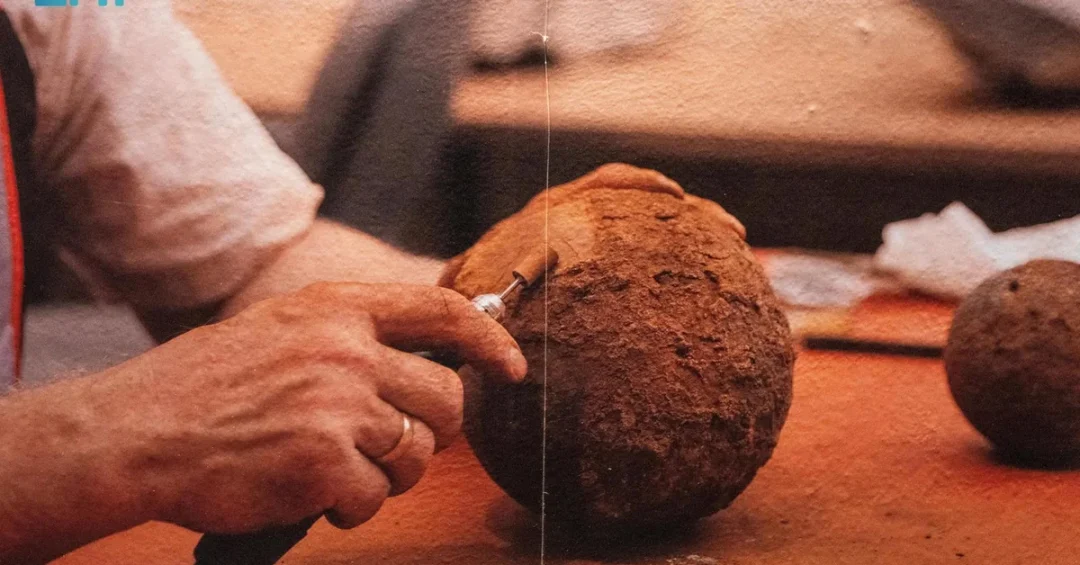
The Ministry of Culture’s Jeddah Historic District Program is showcasing a remarkable collection of archaeological discoveries at the heritage Nassif House, including ancient ebony pillars from the Othman bin Affan Mosque mihrab dating back to the early Hijri centuries. These finds, unearthed during a recent excavation campaign, offer a rare glimpse into the region’s rich Islamic heritage and underscore Saudi Arabia’s commitment to preserving its cultural legacy.
Context and Background
Historic Jeddah, known as Al-Balad, is a UNESCO World Heritage Site that has long served as a gateway to the Holy Cities. The Jeddah Historic District Program, an initiative by the Ministry of Culture, is dedicated to revitalizing and preserving this historic area. The recent excavation campaign has uncovered approximately 25,000 artefacts and remnants dating back to the first and second Hijri centuries, found at significant sites such as the Othman bin Affan Mosque, sections of the eastern moat, and the northern wall.
Nassif House, located in the Al-Alawi Market, holds particular historical importance as the residence of King Abdulaziz bin Abdulrahman Al Saud during the early years of his reign in Jeddah. The exhibition of these artefacts at Nassif House not only highlights the area’s archaeological wealth but also enhances the visitor experience by providing tangible connections to the past.
Key Details
The discovered artefacts include a diverse array of materials that shed light on daily life, trade, and architecture during the early Islamic period. Among the most notable are the ebony pillars from the Othman bin Affan Mosque’s mihrab, which indicate sophisticated craftsmanship and the use of imported materials. These pillars are a testament to Jeddah’s historical role as a bustling port city on the Red Sea.
The Jeddah Historic District Program continues to manage and expand these archaeological initiatives, ensuring that the findings are properly preserved and presented. Nassif House is open daily with two visiting slots: from 10 am to 1 pm and 5 pm to 9 pm, allowing both morning and evening visits. This accessibility aims to attract a wide range of visitors, from history enthusiasts to families exploring the Kingdom’s heritage.
Implications and Impact
The display of these artefacts is expected to boost cultural tourism in Jeddah, drawing international and domestic visitors interested in Saudi Arabia’s deep history. It also reinforces the Kingdom’s efforts to diversify its economy through tourism, a key pillar of Saudi Vision 2030. By preserving and promoting such sites, Saudi Arabia demonstrates its dedication to safeguarding cultural heritage while fostering global cultural exchange.
Furthermore, these discoveries contribute to scholarly research on Islamic history and urban development in the region. They provide valuable insights into the interactions between Jeddah and other civilizations across the Red Sea and beyond, enriching our understanding of the past.
Vision 2030 Alignment
This initiative aligns seamlessly with Saudi Vision 2030’s objectives to preserve cultural heritage and enhance the quality of life for citizens and visitors. By investing in historic sites like Nassif House, the Kingdom not only honors its past but also builds a sustainable future where culture and tourism play pivotal roles in economic growth and international engagement. As Saudi Arabia continues to unveil its archaeological treasures, it invites the world to explore its rich history and vibrant modern identity.
20 Questions
Q1. What is the Jeddah Historic District Program?
A1. The Jeddah Historic District Program is an initiative by the Saudi Ministry of Culture dedicated to preserving and revitalizing the historic area of Jeddah, known as Al-Balad, a UNESCO World Heritage Site.
Q2. Where are the newly discovered artefacts being displayed?
A2. The artefacts are being displayed at the heritage Nassif House, located in the Al-Alawi Market within Historic Jeddah, Al-Balad.
Q3. What specific artefacts were recently unearthed?
A3. The discoveries include ancient ebony pillars from the Othman bin Affan Mosque mihrab, along with approximately 25,000 other artefacts dating back to the first and second Hijri centuries.
Q4. What is the historical significance of Nassif House?
A4. Nassif House served as the residence of King Abdulaziz bin Abdulrahman Al Saud during the early years of his reign in Jeddah, making it a site of immense historical importance.
Q5. How old are the artefacts found at the site?
A5. The artefacts date back to the first and second Hijri centuries, which corresponds to the 7th and 8th centuries CE, offering insights into early Islamic history.
Q6. What other sites were excavated as part of this campaign?
A6. Excavations also took place at the Othman bin Affan Mosque, sections of the eastern moat, and the northern wall of Historic Jeddah.
Q7. What is the significance of the ebony pillars?
A7. The ebony pillars from the mihrab indicate sophisticated craftsmanship and the use of imported materials, reflecting Jeddah’s historical role as a major port city.
Q8. How can visitors access Nassif House?
A8. Nassif House is open daily with two visiting slots: from 10 am to 1 pm and from 5 pm to 9 pm, offering both morning and evening visits.
Q9. How does this initiative align with Saudi Vision 2030?
A9. The initiative supports Vision 2030 by preserving cultural heritage, enhancing tourism, and contributing to economic diversification and quality of life improvements.
Q10. Who manages the archaeological excavations?
A10. The Jeddah Historic District Program, under the Saudi Ministry of Culture, manages the archaeological excavations and preservation efforts.
Q11. What is the expected impact on tourism?
A11. The display is expected to boost cultural tourism by attracting both international and domestic visitors interested in Saudi Arabia’s rich history and heritage.
Q12. Are there any plans to expand the excavations?
A12. The program continues to manage and expand archaeological initiatives, ensuring proper preservation and presentation of findings for future generations.
Q13. What materials were used in the artefacts?
A13. The artefacts include a variety of materials such as ebony, ceramics, and metals, reflecting the trade and craftsmanship of the era.
Q14. How does this discovery contribute to Islamic history?
A14. It provides tangible evidence of early Islamic life, architecture, and trade, enriching scholarly research and understanding of the period.
Q15. Is Nassif House a UNESCO World Heritage Site?
A15. Nassif House is part of Historic Jeddah, Al-Balad, which is a UNESCO World Heritage Site recognized for its outstanding universal value.
Q16. What was the role of Jeddah in early Islamic history?
A16. Jeddah served as a vital port city and gateway for pilgrims heading to Mecca, facilitating trade and cultural exchange across the Red Sea region.
Q17. Who can visit the exhibition?
A17. The exhibition is open to all visitors, including tourists, researchers, and families, with no restriction, aiming to educate and engage the public.
Q18. What is the significance of the Othman bin Affan Mosque?
A18. The mosque is historically significant, and the discovery of its mihrab pillars adds to the understanding of its architectural and religious importance.
Q19. How does the program preserve the artefacts?
A19. The program employs professional conservation techniques and displays them in controlled environments to ensure their preservation for future generations.
Q20. What does this mean for Saudi Arabia’s cultural diplomacy?
A20. It showcases Saudi Arabia’s commitment to preserving global heritage, fostering cultural exchange, and enhancing its international image as a custodian of history.
Reader Feedback
We value your thoughts. Please share your feedback on this article.
Your feedback helps us improve our coverage.
Related articles
 Saudi Artworks Dazzle at Cairo’s ‘Beyond the Frame II’ Exhibition
 Saudi Culinary Arts Commission Joins Terra Madre 2024
 Red Sea Film Foundation Announces Winners of 48-Hour Challenge
 Tariq Abdulhakim Center Opens for National Day 94
 Fashion Commission Inks MoU with adidas to Empower Saudi Designers
 Arabian Horse March in Hail Celebrates Saudi Heritage and Loyalty