


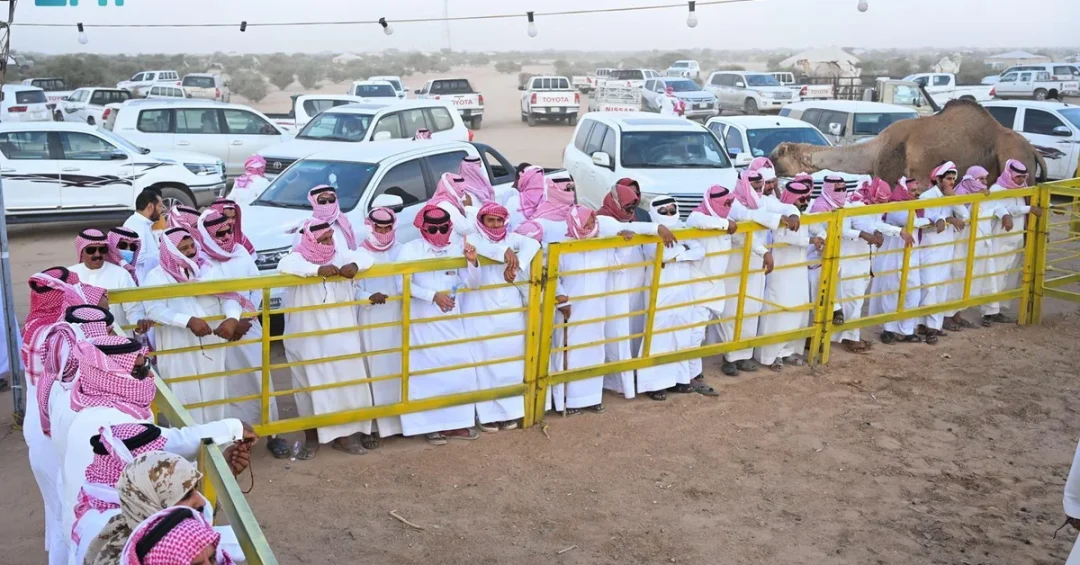
The Camel Avenue Festival in Taif, which concluded earlier this month, generated sales exceeding SAR30 million, underscoring the event’s role as a major economic driver for the local camel sector and the broader regional economy. According to the Saudi Press Agency (SPA), the month-long festival attracted investors from across Saudi Arabia and the Gulf countries, with auction sales alone surpassing SAR6 million and private deals between camel owners exceeding SAR30 million.
Context and Background
The Camel Avenue Festival is an annual cultural and economic event held in Taif, a city known for its moderate climate and agricultural heritage. The festival celebrates the traditional significance of camels in Saudi culture while providing a platform for commerce and investment. This year’s edition featured approximately 15,000 camels of various colors, drawing significant attention from breeders, traders, and enthusiasts. The event aligns with Saudi Arabia’s Vision 2030, which aims to diversify economic resources and promote heritage tourism.
Key Details
Marzouq bin Fawaz Al-Dhiabi, a prominent investor in the camel market, highlighted the vibrant trading atmosphere, noting that daily transactions exceeded 250, involving a diverse range of camels. The festival’s auction and private sales demonstrate strong demand for high-quality camels, which are prized for their beauty, racing capabilities, and milk production. The presence of international buyers, particularly from Gulf Cooperation Council (GCC) countries, further emphasizes the event’s cross-border appeal.
The festival also serves as a cultural hub, featuring traditional performances, handicraft exhibitions, and educational activities that showcase the deep-rooted heritage of camel breeding in the Arabian Peninsula. These elements contribute to a holistic experience that blends commerce with cultural preservation.
Implications and Impact
The economic success of the Camel Avenue Festival has far-reaching implications for Taif and the surrounding region. The influx of investors and visitors stimulates local businesses, including hotels, restaurants, and transportation services, creating a multiplier effect that boosts overall prosperity. Moreover, the festival enhances Taif’s reputation as a premier destination for heritage tourism, attracting both domestic and international travelers.
On a broader scale, the event supports Saudi Arabia’s efforts to expand non-oil sectors and foster entrepreneurship. By facilitating trade and networking opportunities, the festival empowers small and medium-sized enterprises (SMEs) involved in the camel industry, from feed suppliers to veterinary services. This aligns with the Kingdom’s goal of increasing the private sector’s contribution to GDP.
Furthermore, the festival reinforces cultural ties among GCC nations, as traders and enthusiasts from neighboring countries participate in the activities. Such interactions promote regional cooperation and shared appreciation for Arab heritage.
Vision 2030 Alignment
The Camel Avenue Festival exemplifies Saudi Arabia’s Vision 2030 objectives by diversifying economic resources and promoting cultural heritage. As the Kingdom continues to invest in tourism and entertainment sectors, events like this play a crucial role in showcasing Saudi Arabia’s rich traditions while driving economic growth. The festival’s success not only stimulates the local economy but also contributes to the national goal of becoming a global hub for cultural and commercial exchanges.
20 Questions
Q1. What was the total sales figure at the Camel Avenue Festival?
A1. Sales exceeded SAR30 million, indicating strong demand and economic activity in the camel sector.
Q2. How much did auction sales alone reach?
A2. Auction sales alone reached over SAR6 million, according to investor Marzouq bin Fawaz Al-Dhiabi.
Q3. How many camels were on display at the festival?
A3. Approximately 15,000 camels of various colors were on display, attracting investors from Saudi Arabia and the Gulf.
Q4. How many daily transactions occurred at the camel market?
A4. The market witnessed more than 250 transactions daily, involving a diverse range of camels.
Q5. Who is Marzouq bin Fawaz Al-Dhiabi?
A5. He is an investor in the camel market who commented on the vibrant trading atmosphere at the festival.
Q6. Where was the Camel Avenue Festival held?
A6. The festival was held in Taif, a city known for its moderate climate and agricultural heritage.
Q7. How long did the festival last?
A7. The festival was a month-long event, concluding earlier in September 2024.
Q8. What is the significance of camel festivals in Saudi Arabia?
A8. They play a vital role in preserving heritage and promoting economic growth, consistent with Vision 2030.
Q9. Which countries did the investors come from?
A9. Investors came from across Saudi Arabia and the Gulf countries, highlighting regional interest.
Q10. What types of camels were featured?
A10. Camels of various colors and breeds were featured, valued for beauty, racing, and milk production.
Q11. How does the festival support Vision 2030?
A11. It supports economic diversification and heritage preservation, key pillars of Vision 2030.
Q12. What economic impact does the festival have on Taif?
A12. It stimulates local businesses such as hotels, restaurants, and transportation, boosting overall prosperity.
Q13. What is the role of private deals in the festival?
A13. Private deals between camel owners exceeded SAR30 million, showcasing significant off-auction trading activity.
Q14. How does the festival promote cultural exchange?
A14. It attracts international participants, especially from the GCC, fostering cultural ties and shared heritage appreciation.
Q15. What other activities are part of the festival?
A15. Traditional performances, handicraft exhibitions, and educational activities complement the camel trading.
Q16. How does the festival benefit small businesses?
A16. It provides opportunities for SMEs in feed supply, veterinary services, and hospitality, supporting entrepreneurship.
Q17. What is the source of the sales data?
A17. The data was released by the Saudi Press Agency (SPA), an official Saudi news authority.
Q18. How does the festival contribute to tourism in Taif?
A18. It enhances Taif’s reputation as a heritage tourism destination, attracting domestic and international visitors.
Q19. What is the broader economic goal of such events?
A19. They aim to diversify economic resources and increase the private sector’s contribution to GDP.
Q20. What does the festival’s success indicate for future editions?
A20. It indicates strong demand and potential for growth, reinforcing the festival’s role in economic and cultural development.
Reader Feedback
We value your thoughts. Please share your feedback on this article.
Your feedback helps us improve our coverage.
Related articles
 Saudi Arabia’s Transport Sector Hits Global Milestones
 DCO Launches Digital Economy Navigator to Bridge Global Digital Gap
 Saudi Commerce Chambers Mark 78 Years of Achievement
 Gambian President Receives SFD CEO in Makkah
 Saudi Minister Meets Argentine Counterpart at UN Summit
 Local Honey Shines at Reef Valley Exhibition in Diriyah